
Local focus: Tornadoes
Huntsville, Alabama home risk profile
Madison County · Statewide overall risk: Moderate
What this page is
Huntsville sits in Madison County, Alabama. This is a local briefing: it names the hazard that usually matters most here (Tornadoes), then shows the statewide ratings Alabama homeowners use to decide what official map to open. It is not a flood-zone letter or an insurance quote.
- Confirm the neighborhood with a ZIP lookup.
- Open Tornadoes in Alabama.
- Verify the address on the official maps in the sidebar, then read a matching guide.
Huntsville lies in the Tennessee Valley between the Cumberland Plateau and the Tennessee River, and despite the surrounding ridges it is one of the most tornado-exposed cities in Alabama. The metro has been struck in multiple generations — a violent 1989 tornado cut through the airport road area, and the April 2011 outbreak brought more tornadoes through Madison County. Local geography does not block tornadoes here; the wide valley floor actually gives supercell storms room to travel, and the region's humid air feeds the powerful spring systems that produce long-track tornadoes.
Because so much of Huntsville's growth came in the postwar decades, many neighborhoods are full of slab-foundation ranch homes without basements — sturdy in wind, but offering no below-grade refuge during a direct hit. Tornadoes in this part of Dixie Alley frequently arrive at night and move quickly, so the gap between warning and impact can be minutes. Spring severe weather also brings large hail and damaging straight-line winds that batter roofs and siding across the city.
The single most valuable investment a Huntsville homeowner can make is a real plan for warnings after dark: a weather radio that wakes the household, a safe room or reinforced interior space on the lowest floor, and practiced drills with everyone who lives in the home. When buying, ask about the roof's age and window protection, and keep trees trimmed back — in the Tennessee Valley, falling timber causes a large share of storm damage.
How to read the Huntsville snapshot
Huntsville is in Madison County, Alabama. This page does not score individual streets. It tells you which statewide hazards matter most here, then points you to the official map for the address you care about.
The local focus is Tornadoes in Alabama. Wind damage is usually covered; flood from the same storm often is not. Photograph the roof now, before hail or a tornado makes the “before” pictures impossible.
Highest statewide ratings that apply in Huntsville
- Tornadoes — Extreme. Alabama faces a very high tornado risk, rated level 5 of 5. Tornadoes can occur any time of year, with peaks in spring…
- Flooding — Major. Flooding is Alabama's most frequent and widespread natural hazard, driven by Gulf hurricanes and tropical storms,…
- Hurricanes — Major. Alabama has a high hurricane risk, especially along its Gulf Coast. Hurricanes and tropical storms can bring storm…
What to do before you buy or renew in Huntsville
- Look up the ZIP on our ZIP tool so you land on this city or the Alabama profile.
- Open the Tornadoes page and follow the official map links in the sidebar.
- Confirm preparedness guidance with Alabama Emergency Management Agency.
Other Alabama city briefings: Birmingham, Mobile, Montgomery.
Hazard ratings for Alabama
These are state-level scores used across Huntsville. Use them as a starting point, then verify your exact address with the official maps linked on each hazard page.
What the ratings mean
"MinimalMinorModerateMajorExtreme
Each rating is a statewide starting point, framed for a typical 30-year stay — the length of a standard mortgage. A neighborhood can look different from the state average. Always verify your address with official FEMA, NOAA or USGS maps.
Using the Huntsville profile
- Does Huntsville have its own hazard scores?
- No. Huntsville inherits Alabama’s statewide ratings. Use this page to see which peril matters most locally (Tornadoes), then verify the exact address — two streets in Madison County can differ.
- What should I check first in Huntsville?
- Start with Tornadoes in Alabama, then a ZIP lookup and the FEMA or USGS map that matches that hazard.
- Will homeowners insurance cover Tornadoes here?
- Wind damage is usually covered; flood from the same storm often is not. Photograph the roof now, before hail or a tornado makes the “before” pictures impossible.
Last updated: October 14, 2026. Ratings are state-wide estimates — always verify your specific address with official sources.
Guides for Alabama homeowners
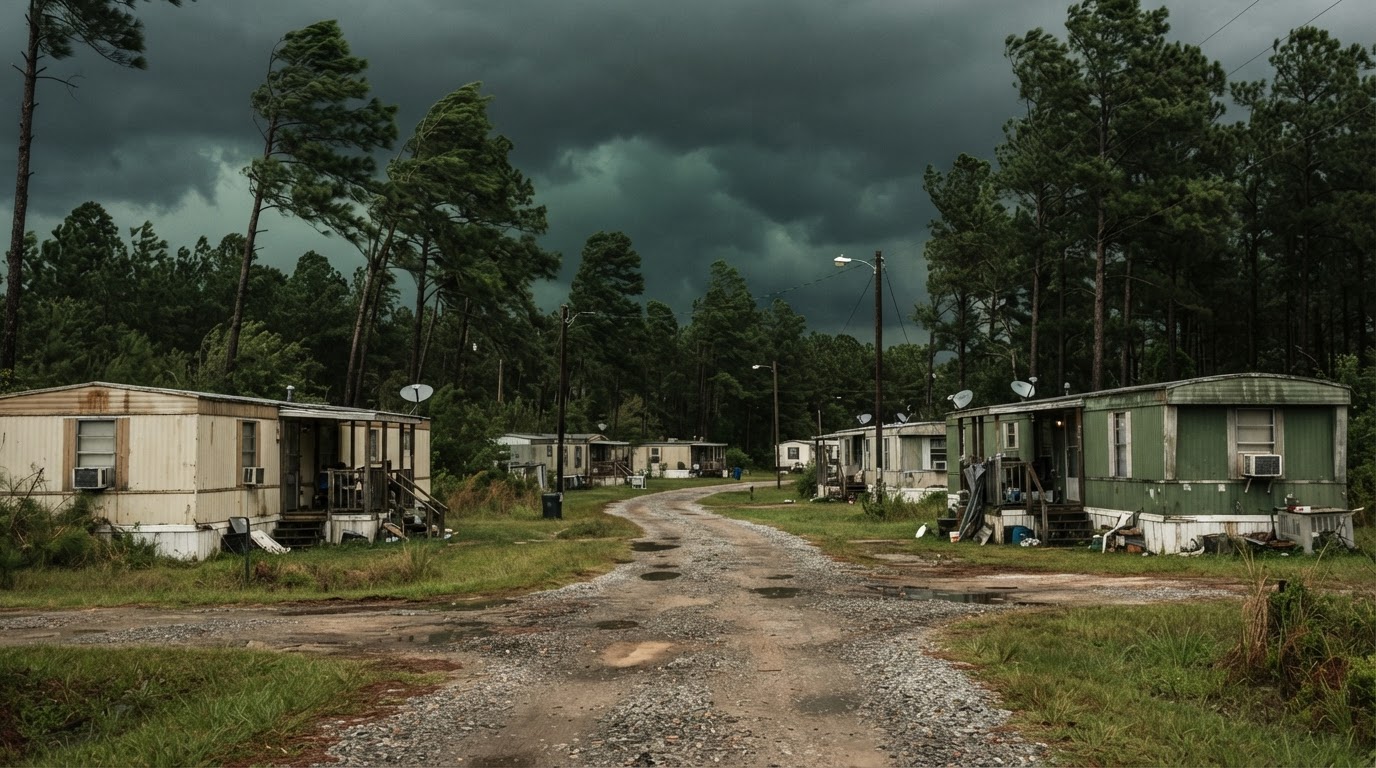 Mobile Home Tornado Safety: What Actually WorksMobile homes are particularly vulnerable to tornadoes. Learn the proven strategies that save lives, based on official guidance…Jun 21, 2026Read guide →
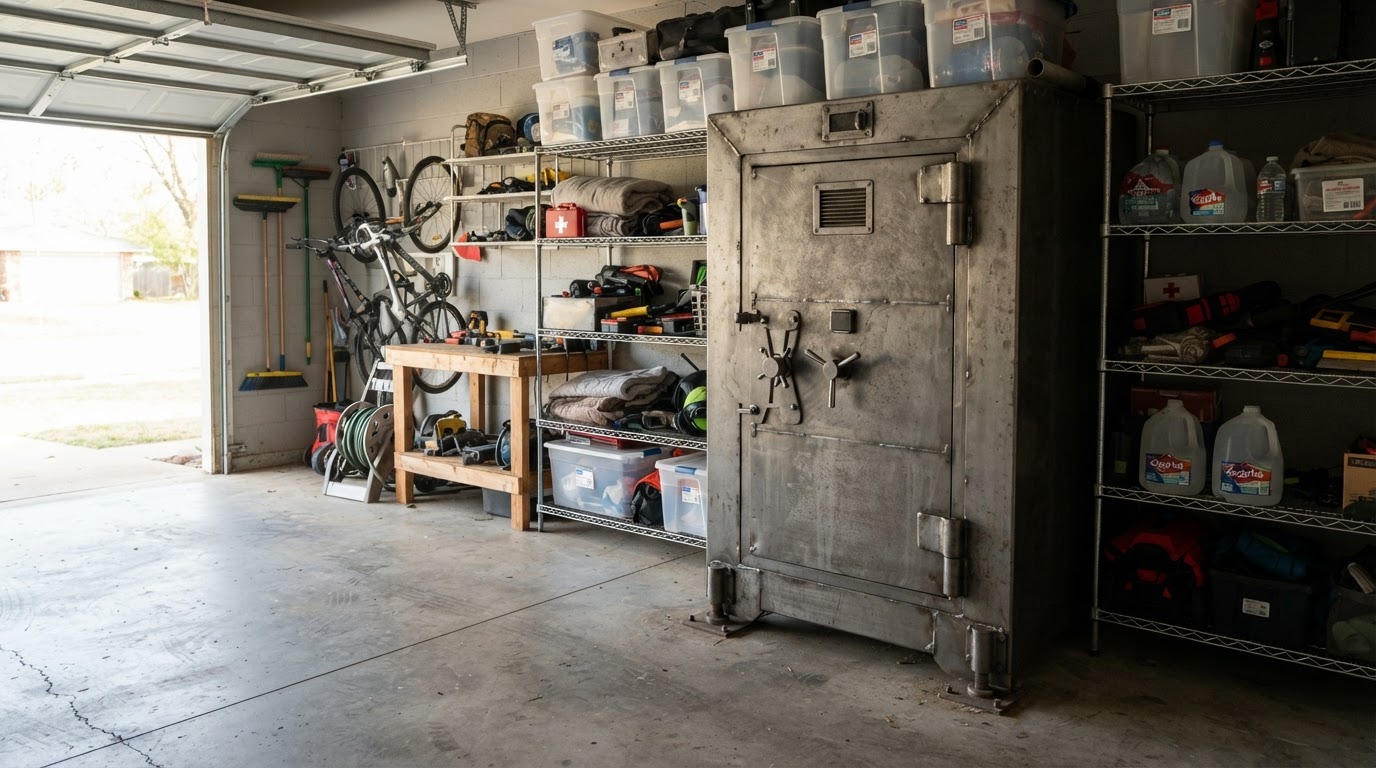 Tornado Safe Room vs Storm Shelter: Costs & Options for HomeownersLearn the key differences between tornado safe rooms and storm shelters, including costs, installation options, and FEMA…Jun 21, 2026Read guide →
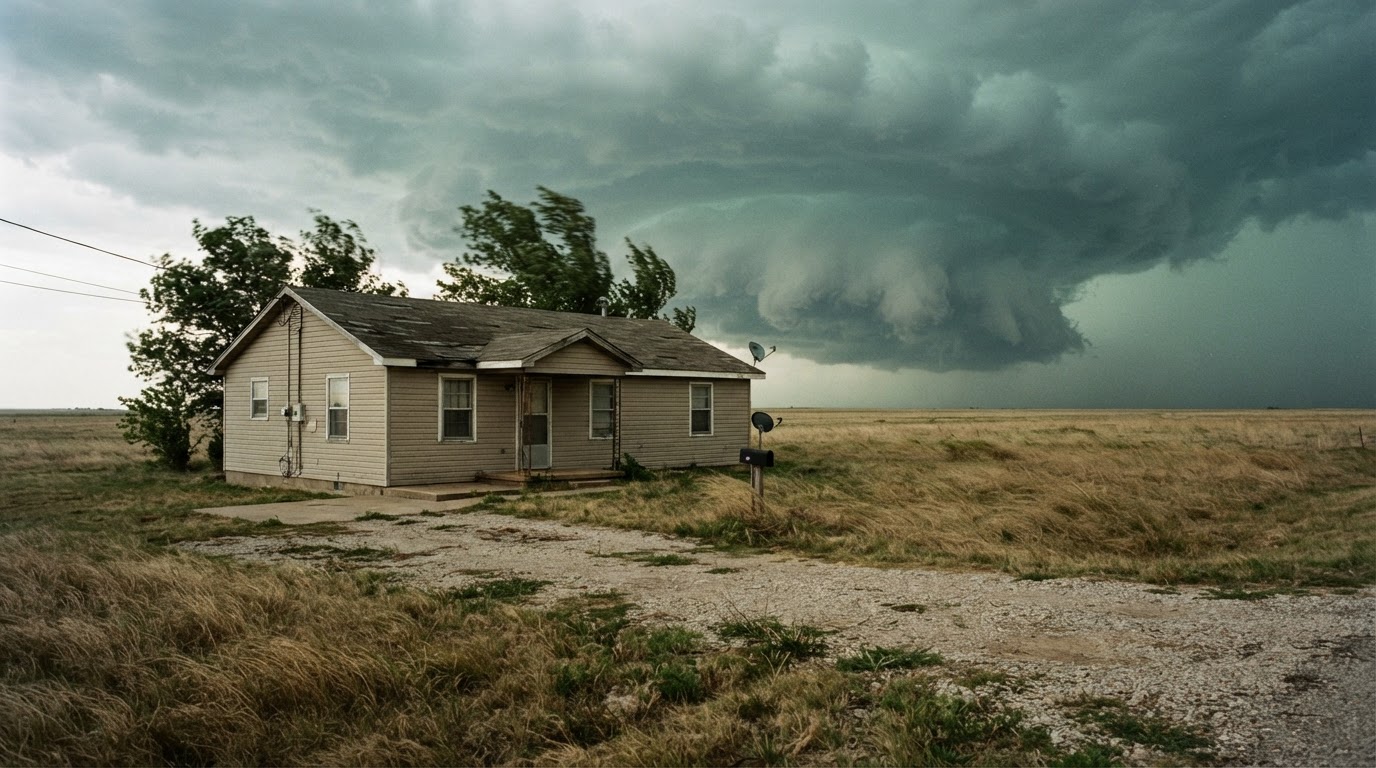 Safest Place in Your House During a Tornado by Home TypeWhere you take shelter during a tornado depends on your home type. Learn the safest locations for single-family homes,…Jun 21, 2026Read guide →