
West region · AK
Alaska home risk profile
Overall home hazard risk: Moderate
How to use this profile
- Scan the hazard list. Anything rated Major or Extreme is the next page to open.
- Read the insurance note — flood and earthquake are usually separate policies.
- Look up your ZIP, then confirm the address on the official maps linked from each hazard page.
You have a closing date in Anchorage and a stack of papers that includes a flood zone letter. Before you sign, understand what Alaska's hazard profile means for the roof over your head. The state's emergency managers rate winter storms and earthquakes at 5 out of 5—the top of the scale. That's not a scare tactic; it's a budget line. The Alaska Division of Homeland Security & Emergency Management is the agency to bookmark for alerts and preparedness guides.
Winter storms in Alaska are not just snow days. They bring heavy snow loads, ice dams, and wind that can tear at siding and shingles. NOAA data show that interior and southcentral areas regularly see prolonged cold and snow, which stresses roofs and pipes. If your home was built before modern snow-load codes, ask for the engineering report. A collapsed roof is rare, but ice dams and frozen pipes are not. You'll also want a generator plan—power outages can last days.
Earthquakes are the other 5/5. USGS records thousands of quakes in Alaska each year, and the 2018 Anchorage quake was a reminder that soil type matters as much as magnitude. In many valleys, soft ground amplifies shaking. Check whether your foundation is bolted to the frame and whether the house has a cripple wall that needs bracing. Landslides and wildfires are real in specific pockets—think steep hillsides and the wildland-urban interface—but they're not everywhere. Flooding is a moderate concern in river corridors and coastal areas.
Here's what I'd do first with limited time and money: get a seismic retrofit quote and a roof inspection before you waive any contingencies. Then call an insurance agent who writes in Alaska and ask about earthquake coverage, which is usually a separate policy from your standard homeowners. The state's ratings are a starting point, not a verdict on your specific address. Spend your weekend on the two 5s, and you'll sleep better in a state that earns them.
Risk levels in Alaska
Statewide scores, highest first. A neighborhood can look different from the state average — use these to decide which official map to open.
What the ratings mean
"MinimalMinorModerateMajorExtreme
Each rating is a statewide starting point, framed for a typical 30-year stay — the length of a standard mortgage. A neighborhood can look different from the state average. Always verify your address with official FEMA, NOAA or USGS maps.
Questions about Alaska
- What is the overall home-hazard rating in Alaska?
- Alaska scores Moderate overall on our statewide scale. That average can hide one severe local peril — open the highest-rated hazard pages and then verify your address.
- Does a standard homeowners policy cover the main risks in Alaska?
- Earthquake damage is typically excluded from a standard homeowners policy. Coverage is a separate policy or endorsement.
- How should I use this Alaska page?
- Treat it as a briefing, not a determination. Check the hazard list, open the pages rated Major or Extreme, then confirm the parcel on FEMA, NOAA or USGS maps and with Alaska Division of Homeland Security & Emergency Management.
Last updated: October 10, 2026. Risk levels are state-wide estimates based on public hazard data (FEMA, NOAA, USGS) — always verify your specific address with official sources.
Guides to read with this profile
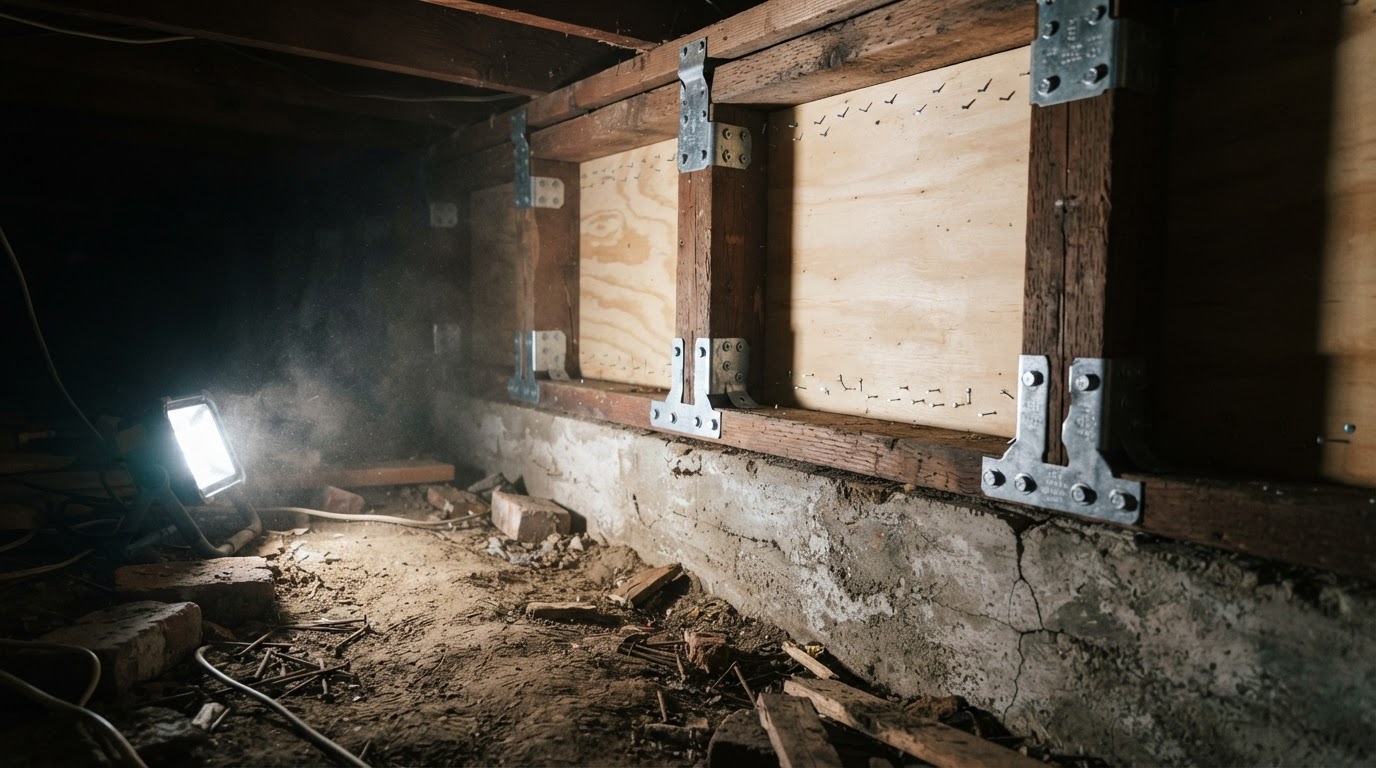 Cripple Wall Retrofit: Strengthen Your Home's Earthquake DefensesLearn how a cripple wall retrofit can prevent your older home from collapsing in an earthquake. Understand the basics, why it…Jun 21, 2026Read guide →
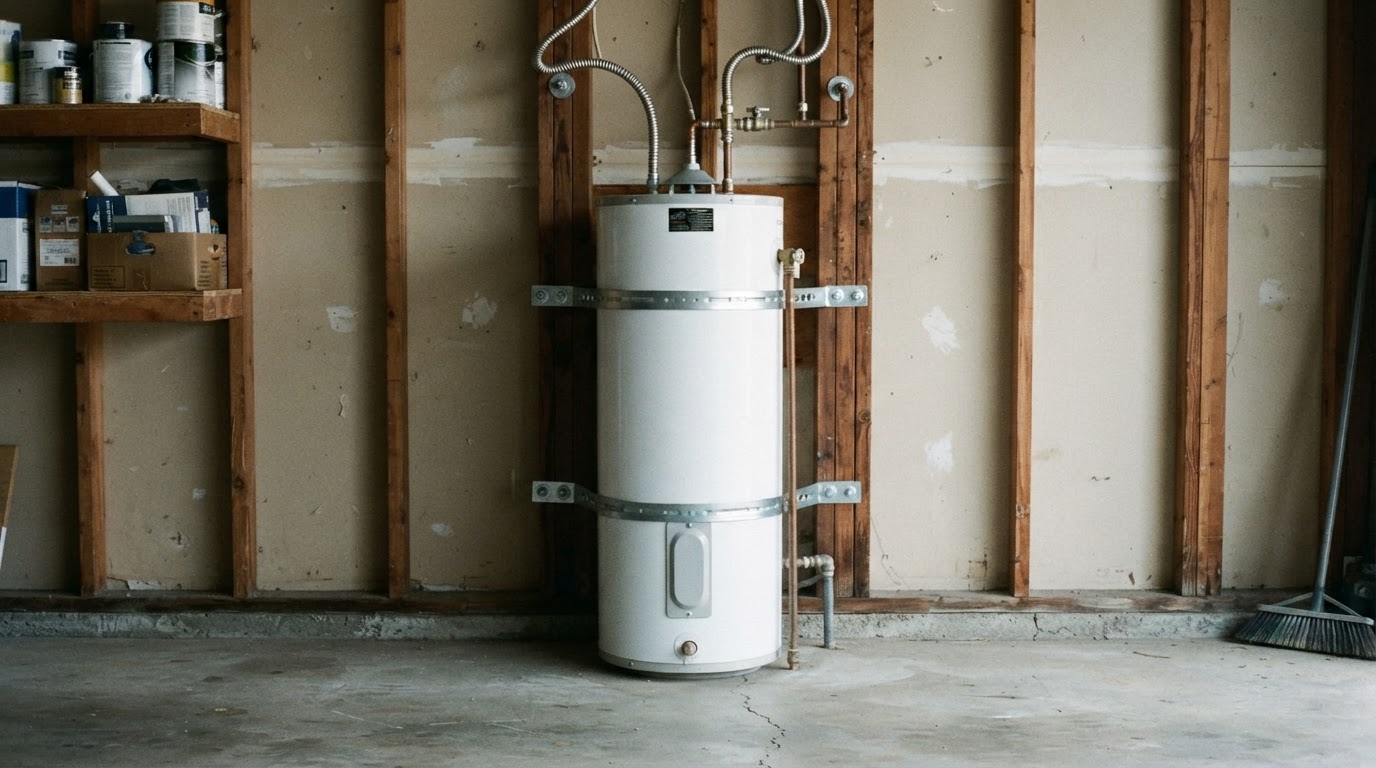 How to Strap Your Water Heater for Earthquake SafetyLearn why securing your water heater is critical after an earthquake and get step-by-step instructions to strap it properly,…Jun 21, 2026Read guide →
 Earthquake Drills for Kids and Seniors: Drop, Cover, Hold OnLearn how to practice 'Drop, Cover, and Hold On' with children and older adults. This guide provides step-by-step drills,…Jun 21, 2026Read guide →