
Local focus: Wildfires
Fairbanks, Alaska home risk profile
Fairbanks North Star Borough · Statewide overall risk: Moderate
What this page is
Fairbanks sits in Fairbanks North Star Borough, Alaska. This is a local briefing: it names the hazard that usually matters most here (Wildfires), then shows the statewide ratings Alaska homeowners use to decide what official map to open. It is not a flood-zone letter or an insurance quote.
- Confirm the neighborhood with a ZIP lookup.
- Open Wildfires in Alaska.
- Verify the address on the official maps in the sidebar, then read a matching guide.
Fairbanks sits deep in interior Alaska, ringed by the boreal forest that stretches across the subarctic. Summers here are short, warm and dry, and they bring some of the most lightning-struck wilderness in the country. Lightning fires can burn for weeks in the hills around town, and in bad years smoke settles into the Tanana Valley for days at a time, pushing air quality to hazardous levels for homes miles from the flames.
The wildland-urban interface is Fairbanks's real exposure. Subdivisions spread along the ridges and spruce stands west of town, in areas like the Goldstream Valley and the hills above the Chena River, where black spruce grows right up to the tree line and cabins sit among highly flammable trees. Interior soils are permafrost-laced and peat-rich, so fires can smolder underground and flare up again. Homeowners need defensible space measured in dozens of feet, metal roofing, and vents screened against embers, since interior fires travel by wind-blown embers as much as by direct flame.
Cold brings its own risks: extreme winter temperatures freeze pipes and strain heating systems, and ice-jam flooding on the Chena River has a history here. But wildfire is the growing threat as summers trend warmer and drier. Before buying, ask how the property handled the last smoke season, check whether the road in crosses dense timber, and confirm the policy covers wildfire explicitly, since some carriers in the Fairbanks area have tightened wildfire terms in recent years.
How to read the Fairbanks snapshot
Fairbanks is in Fairbanks North Star Borough, Alaska. This page does not score individual streets. It tells you which statewide hazards matter most here, then points you to the official map for the address you care about.
The local focus is Wildfires in Alaska. Fire is usually covered, but in high-risk ZIP codes the hard part is keeping a policy at all. Mitigation (defensible space, roof, vents) can matter as much as the premium.
Highest statewide ratings that apply in Fairbanks
- Earthquakes — Extreme. Alaska is the most earthquake-prone state in the country, and if you own a home here, you're in a level 5 risk zone.…
- Winter Storms — Extreme. In Alaska, winter storms are a five-out-of-five risk, so your house has to handle snow, wind, ice, and cold at the same…
- Wildfires — Major. Alaska's wildfire risk is rated 4 out of 5, and the places that burn are often the places where people are building. If…
What to do before you buy or renew in Fairbanks
- Look up the ZIP on our ZIP tool so you land on this city or the Alaska profile.
- Open the Wildfires page and follow the official map links in the sidebar.
- Confirm preparedness guidance with Alaska Division of Homeland Security & Emergency Management.
Other Alaska city briefings: Anchorage.
Hazard ratings for Alaska
These are state-level scores used across Fairbanks. Use them as a starting point, then verify your exact address with the official maps linked on each hazard page.
What the ratings mean
"MinimalMinorModerateMajorExtreme
Each rating is a statewide starting point, framed for a typical 30-year stay — the length of a standard mortgage. A neighborhood can look different from the state average. Always verify your address with official FEMA, NOAA or USGS maps.
Using the Fairbanks profile
- Does Fairbanks have its own hazard scores?
- No. Fairbanks inherits Alaska’s statewide ratings. Use this page to see which peril matters most locally (Wildfires), then verify the exact address — two streets in Fairbanks North Star Borough can differ.
- What should I check first in Fairbanks?
- Start with Wildfires in Alaska, then a ZIP lookup and the FEMA or USGS map that matches that hazard.
- Will homeowners insurance cover Wildfires here?
- Fire is usually covered, but in high-risk ZIP codes the hard part is keeping a policy at all. Mitigation (defensible space, roof, vents) can matter as much as the premium.
Last updated: October 14, 2026. Ratings are state-wide estimates — always verify your specific address with official sources.
Guides for Alaska homeowners
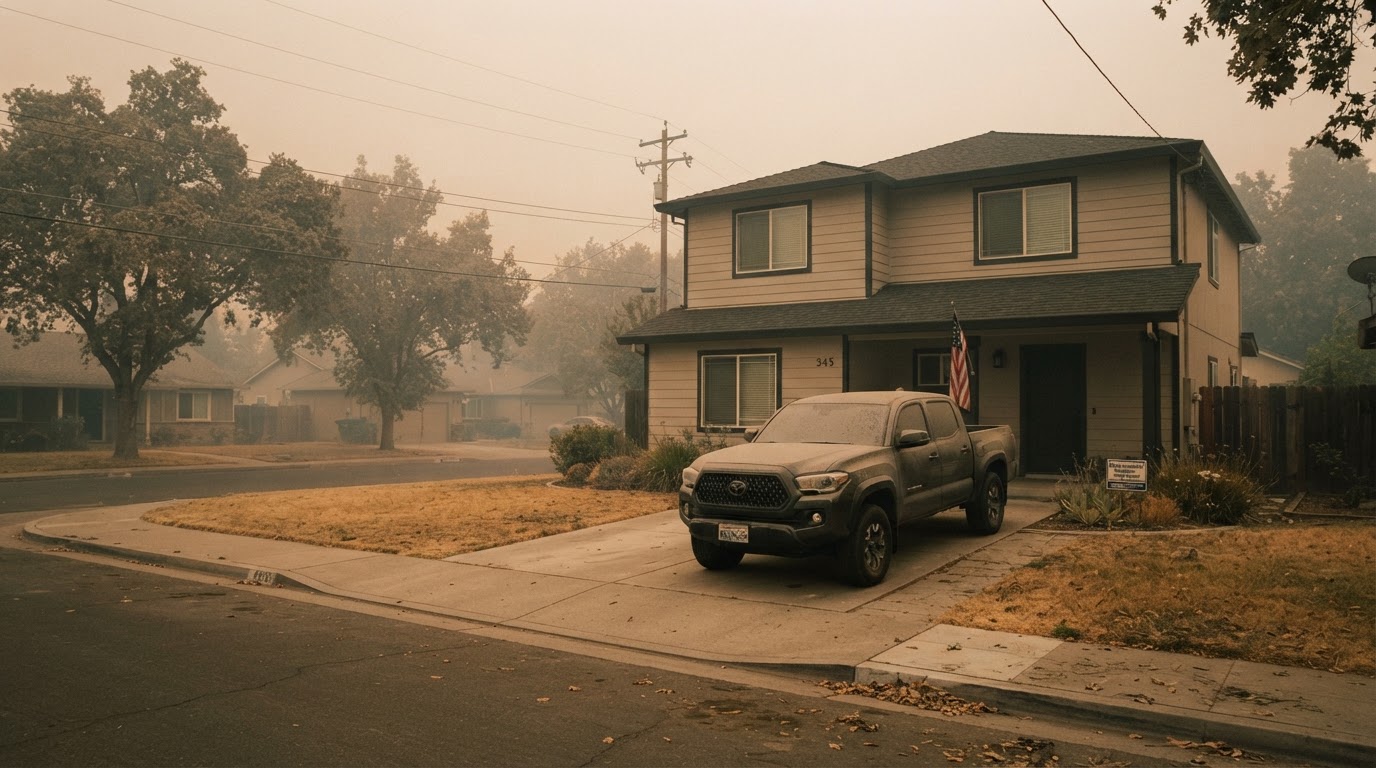 Wildfire Smoke & Air Quality: How to Protect Your HomeLearn how to protect your home and family from wildfire smoke with practical steps from FEMA, CDC, and EPA. From sealing your…Jun 21, 2026Read guide →
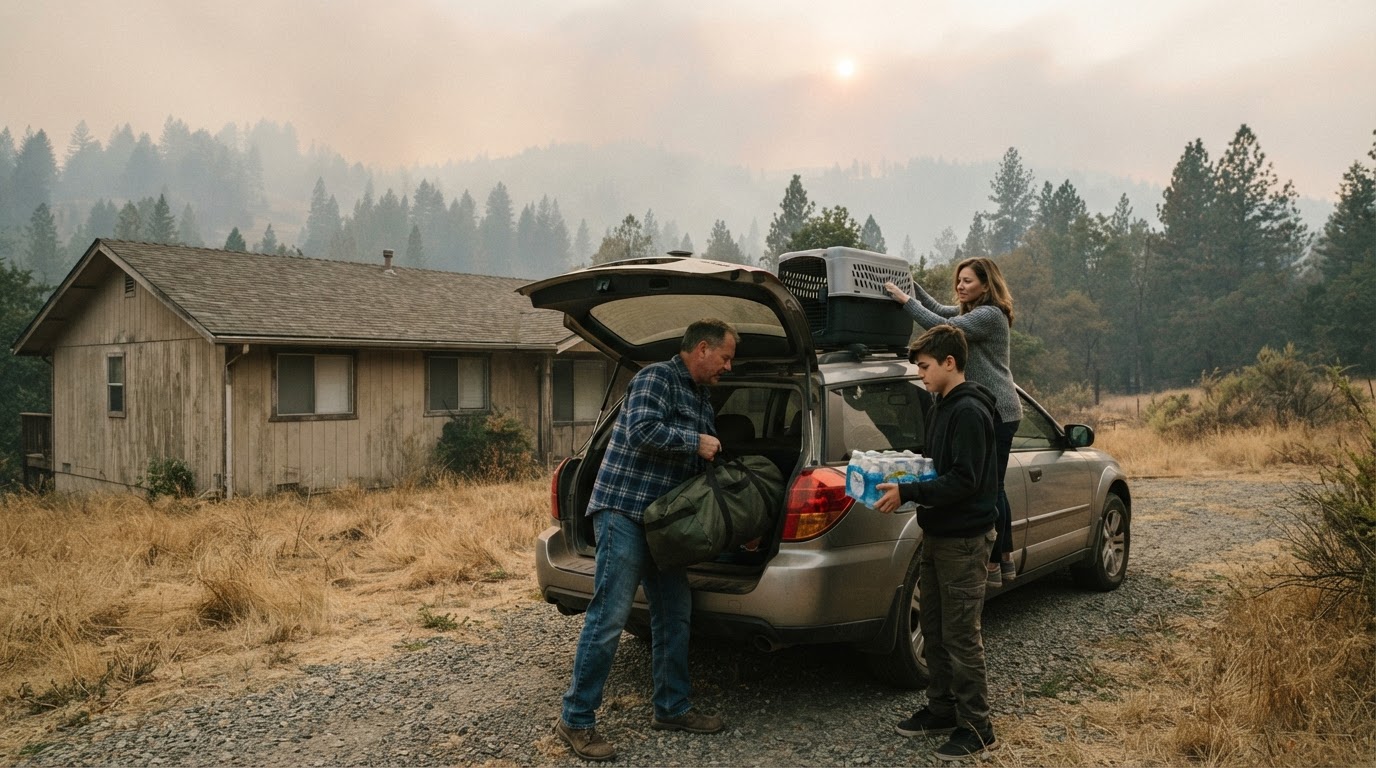 Wildfire Evacuation Prep in 60 Minutes: A Step-by-Step GuideWhen a wildfire threatens, you may have less than an hour to evacuate. Learn how to prepare a go-bag, safeguard your home, and…Jun 21, 2026Read guide →
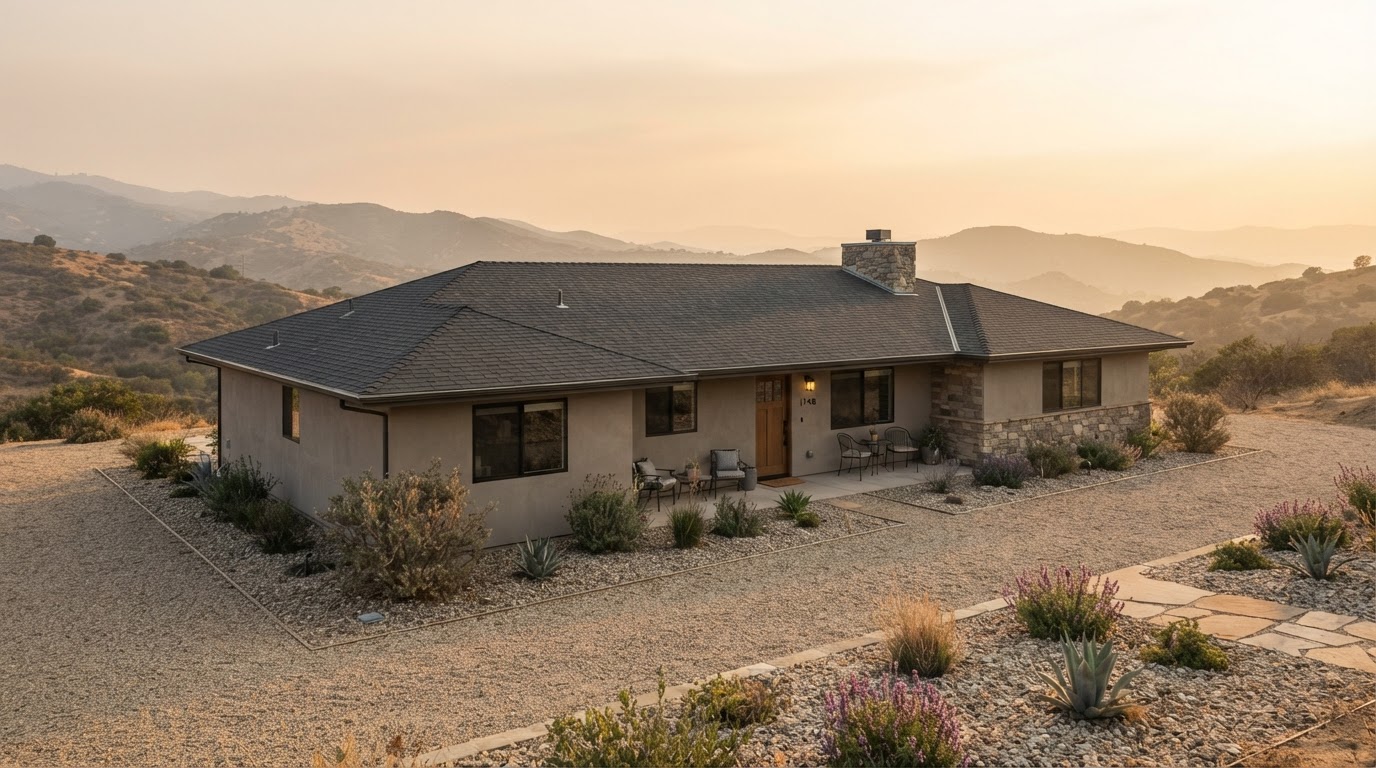 Wildfire Home Hardening: Roof, Vents, Gutters, and Deck ChecklistLearn how to harden your home against wildfire by focusing on four critical areas: roof, vents, gutters, and deck. This checklist…Jun 21, 2026Read guide →