
FEMA Risk Rating 2.0: Why Gulf Coast Flood Insurance Got Costly
5 min read
On this page
FEMA's Risk Rating 2.0 changed how flood insurance premiums are calculated. Learn why Gulf Coast homeowners are seeing higher rates and what you can do about it.
What Is FEMA Risk Rating 2.0?
Risk Rating 2.0 is FEMA's new methodology for setting flood insurance premiums for the National Flood Insurance Program (NFIP). It went into effect on October 1, 2021 for new policies and April 1, 2022 for renewals. The goal is to make rates fairer by reflecting a property's actual flood risk, rather than just its flood zone.
Under the old system, premiums were largely based on FEMA flood maps and elevation. Many properties, especially older ones, were subsidized. Risk Rating 2.0 uses a more comprehensive set of variables to calculate risk.
How Risk Rating 2.0 Works
Risk Rating 2.0 considers multiple factors for each individual property:
- Flood frequency: How often flooding is likely to occur.
- Flood type: Whether risk comes from river overflow, storm surge, coastal erosion, or heavy rainfall.
- Distance to water: Proximity to oceans, lakes, rivers, or other water bodies.
- Elevation: The height of the lowest floor relative to expected flood levels.
- Cost to rebuild: The replacement cost of the home, not just its market value.
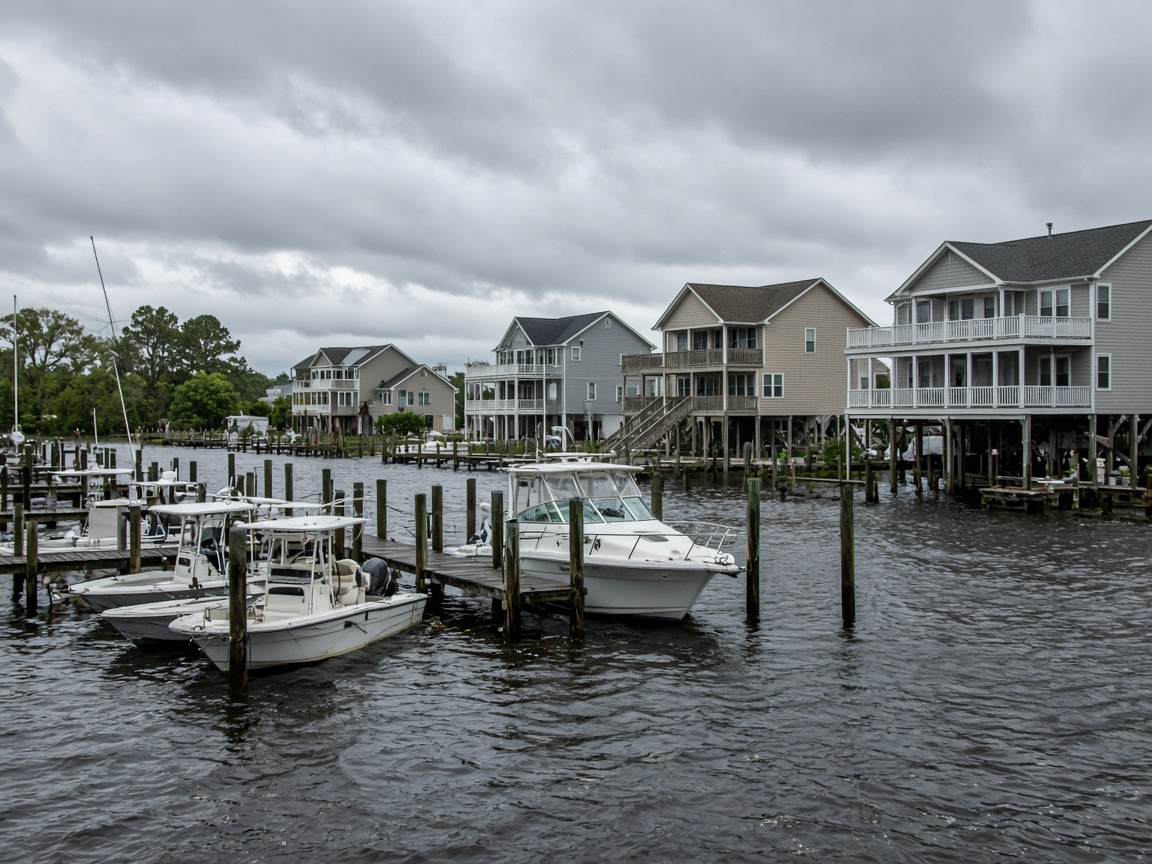
- Property characteristics: Foundation type, first-floor height, and other structural details.
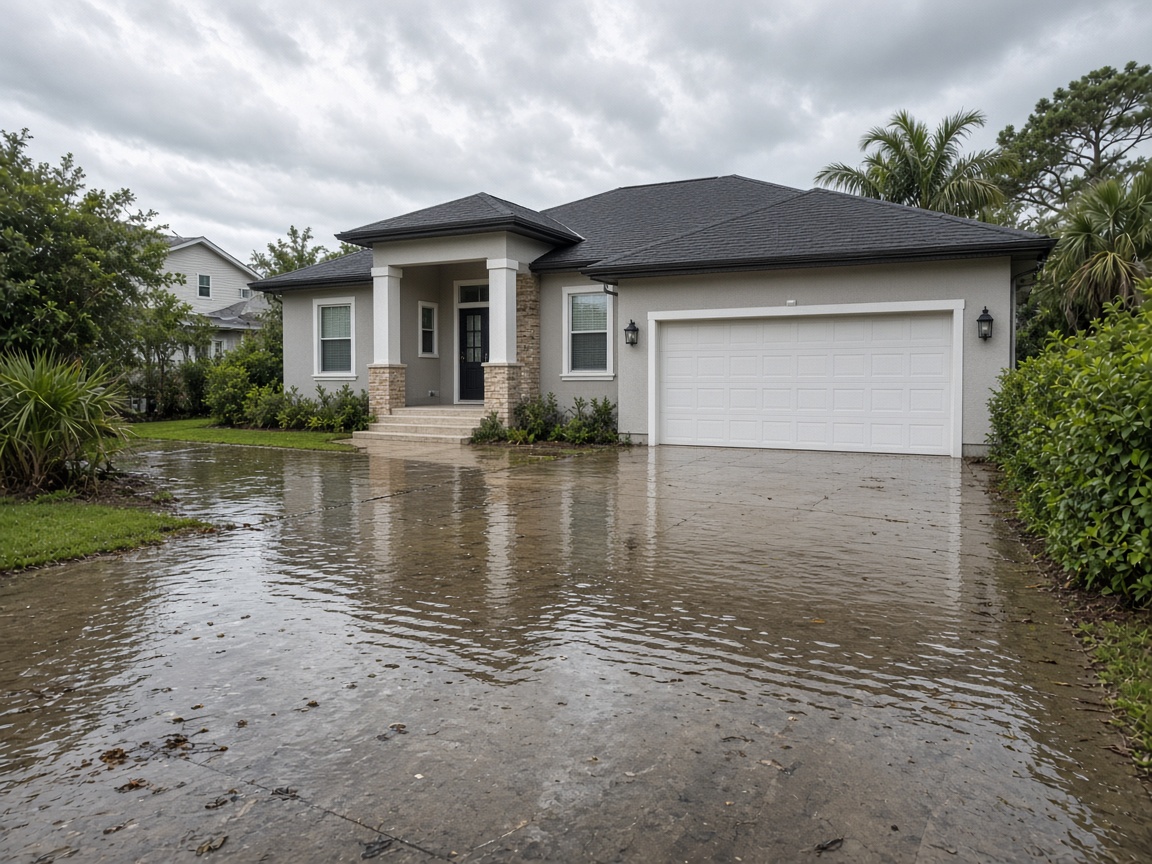
This approach means two homes on the same street can have very different premiums if their elevation or construction differs. FEMA says this delivers rates that are fairer and better reflect an individual property's risk.
Importantly, Risk Rating 2.0 also includes a phase-in for most premium increases, capping annual increases at 18% per year for most policies until the full-risk rate is reached. Some policies may see decreases.
Why Gulf Coast Flood Insurance Got So Expensive
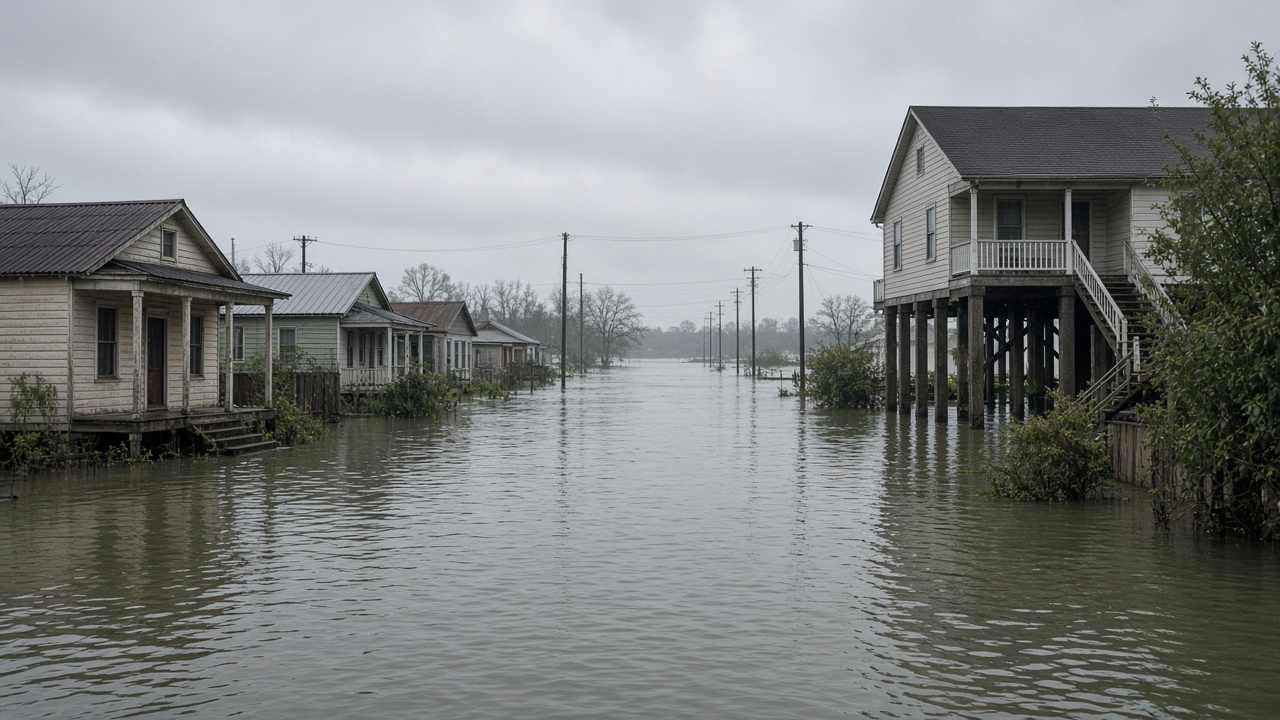
The Gulf Coast—Texas, Louisiana, Mississippi, Alabama, and Florida—faces some of the highest flood risks in the nation. This is due to:
- Hurricanes and tropical storms: The Gulf Coast is hit by more hurricanes than any other U.S. region. These storms bring storm surge, heavy rainfall, and wind-driven flooding.
- Storm surge: Low-lying coastal areas are vulnerable to storm surge, which can raise water levels 15 feet or more above normal.
- Sea level rise: Rising seas increase the baseline for storm surge and make coastal flooding more frequent.
- Heavy rainfall: Slow-moving storms can dump massive amounts of rain, causing riverine and flash flooding far inland.
- Subsidence: In some areas, land is sinking, which increases flood risk.
Under the old system, many Gulf Coast homeowners paid subsidized rates that didn't reflect this high risk. Risk Rating 2.0 corrects that. As a result, many properties in these states have seen significant premium increases. FEMA's National Risk Index shows that many Gulf Coast counties have some of the highest flood risk scores in the country.
What This Means for Homeowners
If you own a home on the Gulf Coast, your flood insurance premium may have increased—or may increase over the next several years as the phase-in continues. Here's what you need to know:
- Increases are gradual: For most policies, increases are capped at 18% per year. So the full impact may take several years to hit.
- Some premiums may go down: If your property has low risk or you've mitigated, you might see a decrease.
- Flood insurance is still required: If you have a federally-backed mortgage and live in a Special Flood Hazard Area (SFHA), you must carry flood insurance.
- You have options: You can shop for private flood insurance, which may offer competitive rates. You can also take steps to lower your risk and premiums.
The FEMA Risk Rating 2.0 page has detailed information and tools to help you understand your rate.
How to Manage Your Flood Insurance Costs
There are practical steps you can take to reduce your flood insurance premiums and protect your home:
1. Get an Elevation Certificate
An elevation certificate documents your home's elevation relative to the base flood elevation. It can prove you are lower-risk than your flood zone suggests, potentially lowering your premium. Ask your insurance agent or a licensed surveyor.
2. Consider Mitigation
Mitigation can reduce both flood damage and insurance costs. Options include:
- Elevating your home or utilities (like HVAC, water heater, electrical panel).
- Installing flood vents in foundation walls.
- Using backflow valves to prevent sewage backup.
- Applying flood-resistant materials (e.g., tile, concrete) in basements and lower levels.
FEMA offers mitigation grants and resources. Check FEMA's floodplain management page for guidance.
3. Check Community Rating System (CRS) Discounts
If your community participates in FEMA's Community Rating System (CRS), you may receive a discount on your flood insurance premium. CRS rewards communities for floodplain management practices that exceed minimum standards. Ask your local floodplain manager if your community participates.
4. Shop Around and Compare
Private flood insurance is an alternative to NFIP policies. It may offer lower rates for some properties, but coverage and terms vary. Compare quotes from multiple insurers. Also, consider increasing your deductible to lower your premium, but make sure you can afford it if a flood occurs.
5. Talk to Your Insurance Agent
Your agent can explain your rate, help you find discounts, and discuss payment options. FEMA offers payment plans, and some policies may be eligible for a discount if you pay in full.
6. Reduce Your Risk and Prepare
Even with higher premiums, flood insurance is a critical protection. Floods are the most common and costly natural disaster in the U.S. Use Ready.gov's flood guidance to create an emergency plan and kit. NOAA's hurricane preparedness resources can help you get ready for storm season. And the CDC offers flood safety tips.
Also, consider that USGS coastal change hazards research shows that sea level rise and coastal erosion will continue to affect Gulf Coast communities, making risk reduction even more important.
Key Takeaways
- Risk Rating 2.0 is FEMA's new flood insurance pricing method that uses individual property risk factors.
- Gulf Coast homes face high risk from hurricanes, storm surge, and sea level rise, so many premiums increased.
- Increases are phased in at up to 18% per year for most policies.
- You can lower your premium with an elevation certificate, mitigation, and community discounts.
- Compare NFIP and private flood insurance options to find the best rate.
Conclusion: Take Action Today
Risk Rating 2.0 is here to stay, and Gulf Coast homeowners are feeling the impact. While higher premiums are a challenge, you're not powerless. Start by understanding your flood risk using FEMA's National Risk Index and FloodSmart.gov. Get an elevation certificate, explore mitigation, and shop around for the best coverage. If you have questions, contact your insurance agent or your local floodplain manager. By taking steps now, you can protect your home and your budget from the rising tide of flood risk.
About our guidance
Our guides are grounded in publicly available information from official sources such as FEMA, NOAA, USGS and Ready.gov. Information is general in nature — always verify details for your specific property and policy with official sources and your insurer.
Related guides
 InsuranceLender-Placed Flood Insurance: The Expensive Backup If Your Policy LapsesYour lender can force-place flood insurance if your policy lapses — and bill you for it, usually at a higher price. Here is how…Oct 15, 2026Read guide →
 InsuranceWhat Happens to Your NFIP Policy If Congress Lets the Program LapseCongress extended the NFIP through December 11, 2026. If the program lapses, existing policies stay in force and claims get paid…Oct 15, 2026Read guide →
 InsuranceExcess Flood Insurance: Coverage Above NFIP's $250,000 LimitThe NFIP caps flood coverage at $250,000 for the building and $100,000 for contents. If your home would cost more to rebuild,…Oct 15, 2026Read guide →