
Flood Insurance Costs in 2026: Why $1,100 Is the New Normal
6 min read
On this page
The average flood insurance policy in the U.S. now costs more than $1,100 a year. Here's what changed, what drives your specific premium, and how homeowners can legitimately lower it.
Why the Average Flood Policy Now Tops $1,100 a Year
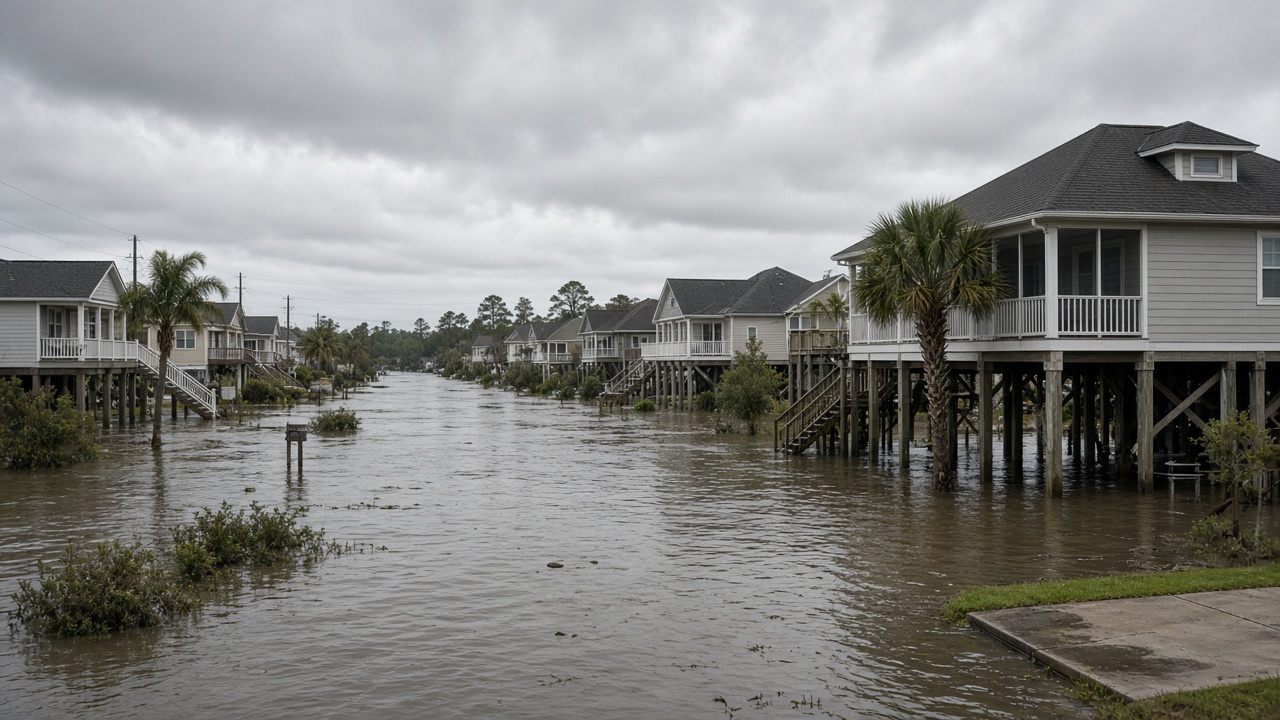
For much of the National Flood Insurance Program's history, a residential flood policy cost a few hundred dollars a year. In 2026, the national average premium has crossed $1,100 annually, based on FEMA's own policy data. In coastal counties, along major rivers, and in inland neighborhoods that flooded for the first time in recent years, the number is often considerably higher.
This is not a temporary spike that will settle back down. It reflects a deliberate change in how the federal government prices flood risk, layered on top of rising construction costs and a steady run of costly flood disasters. Understanding the mechanics is the first step toward controlling what you actually pay.
Three Forces Pushing Premiums Up
1. Risk Rating 2.0 replaced the old map-based pricing
The biggest structural change is FEMA's Risk Rating 2.0, which replaced a rating system that had been in place for decades. Under the old approach, two homes in the same flood zone on the same street could pay nearly identical premiums, even if one sat on a bluff and the other sat at the water's edge.
Risk Rating 2.0 prices each property individually. FEMA now factors in things like distance to a water source, the type of flooding you're most likely to experience (river, storm surge, heavy rainfall), the elevation of the building relative to expected flooding, and the cost to rebuild your specific home. The result is more accurate pricing — which for many homeowners means more expensive pricing.
FEMA did build in a cushion. For most policies, annual increases are generally capped at 18 percent per year until the policy reaches its full-risk rate, rather than jumping to the new price all at once. If your premium has climbed steadily rather than spiked, that glide path is likely why.
2. Rebuilding costs keep climbing
Risk Rating 2.0 is built around replacement cost value — what it would actually cost to rebuild your home today, at current labor and materials prices. When lumber, roofing, drywall, and contractor rates rise, insured values rise with them, and so do premiums. This is the same cost pressure that has pushed up homeowners insurance rates nationwide.
3. Flood losses are more frequent and more expensive
NOAA's National Centers for Environmental Information track billion-dollar weather and climate disasters, and flooding events consistently rank among the most costly. More development in floodplains also means more property exposed. The USGS and National Weather Service both document how rainfall intensity and flood frequency patterns have shifted in many parts of the country. When the underlying risk grows, insurance prices follow.
What Actually Determines Your Flood Insurance Premium
Two neighbors can pay very different amounts. Here are the factors that matter most:
- Flood zone and your community's flood map. Zones are set by FEMA's Flood Insurance Rate Maps. You can look yours up at the FEMA Map Service Center.
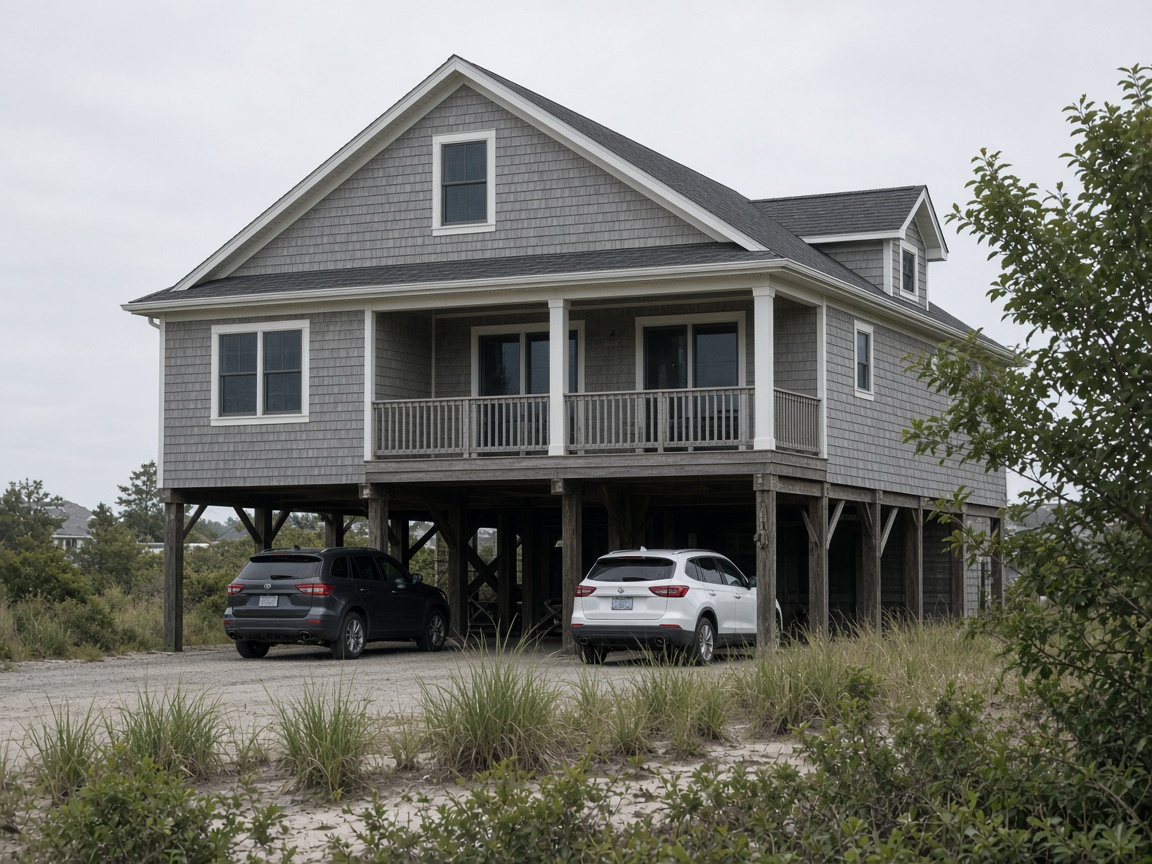
- Elevation of the lowest floor relative to the expected flood level — usually the single biggest variable.
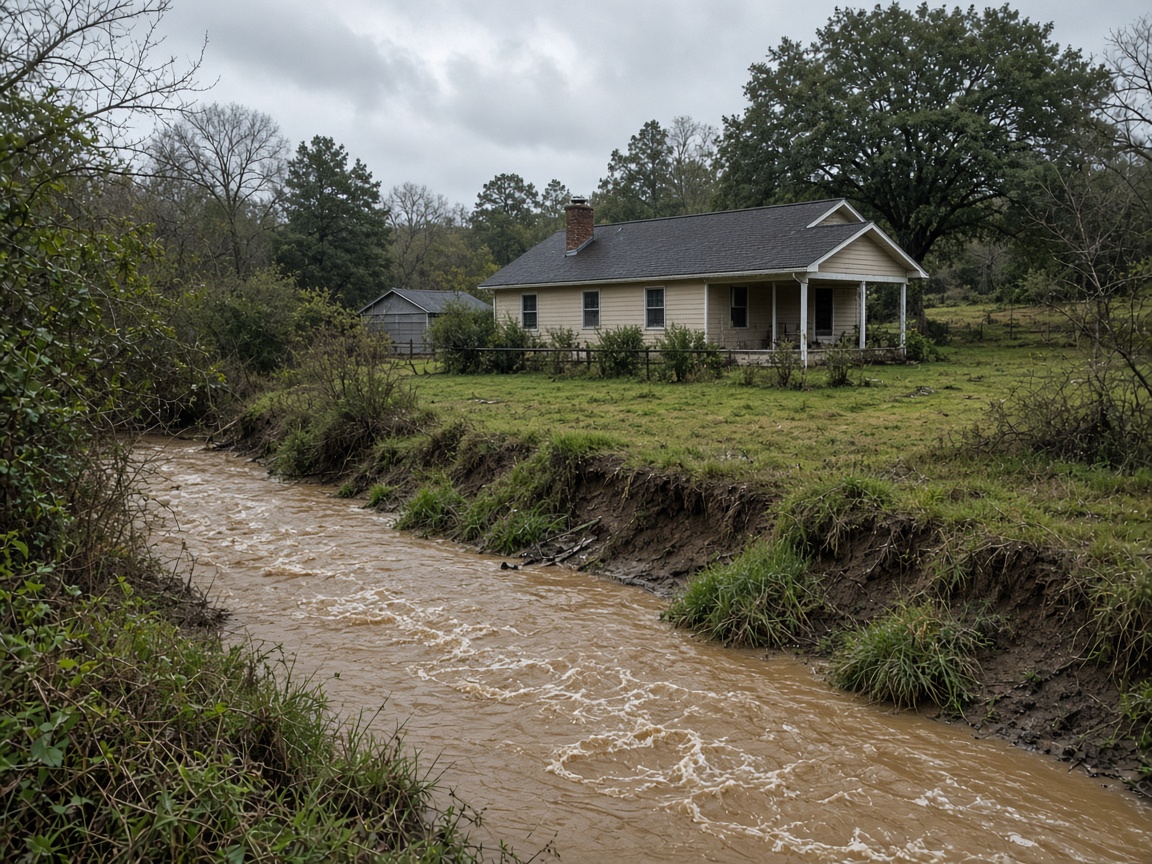
- Distance to water and the type of flood source nearby (river, lake, coast, or stormwater).
- Building characteristics: square footage, foundation type, number of floors, construction materials, and replacement cost.
- Coverage type and amount: building coverage only versus building plus contents.
- Deductible. A higher deductible lowers the premium.
- Community Rating System class. Communities that exceed minimum floodplain management standards earn discounts for their residents, up to 45 percent in the highest-rated communities.
Do You Have to Carry Flood Insurance?
If you have a mortgage from a federally regulated or insured lender and your home sits in a high-risk Special Flood Hazard Area, federal law requires flood insurance. But the mandatory purchase requirement is not the whole picture. FEMA notes that more than 20 percent of flood insurance claims come from properties outside high-risk flood areas — and those homeowners are not legally required to carry coverage.
FEMA also estimates that just one inch of water inside a home can cause roughly $25,000 in damage. For most households, that is not a bill that can be absorbed without a policy. The Ready.gov flood page lays out the practical case for coverage and preparedness in plain terms.
Five Legitimate Ways to Lower Your Premium
- Get an elevation certificate. If your home was built at or above the required elevation, an elevation certificate can document it and reduce your rate. Certificates are prepared by licensed surveyors, engineers, or architects.
- Raise your deductible. Moving from a lower deductible to a higher one reduces the annual premium. Just make sure you could cover the difference out of pocket after a loss.
- Mitigate the building. Flood vents in foundation walls, elevating utilities and mechanical systems, and in some cases elevating the structure itself can all change how your risk is rated.
- Ask about community discounts. Check whether your town participates in the Community Rating System and what class it holds. Ask your agent to confirm the discount is applied.
- Compare private flood insurance. The private market has grown substantially and can be competitive — sometimes with broader coverage, sometimes cheaper. Compare it side by side with an NFIP quote rather than assuming either is automatically better.
What Flood Insurance Does and Doesn't Cover
NFIP residential policies offer up to $250,000 in building coverage and $100,000 in contents coverage. Policies also include Increased Cost of Compliance coverage — up to $30,000 to help pay for bringing a damaged home into compliance with floodplain rules, such as elevating or relocating it.
Be aware of the limits. NFIP policies generally do not cover temporary living expenses while your home is being repaired, and contents coverage is restricted in basements. Vehicles, outdoor property, and most landscaping are typically excluded. Your FloodSmart agent can walk through the specifics for your home.
Don't Wait for the Forecast
NFIP policies generally carry a 30-day waiting period before coverage takes effect, with limited exceptions such as certain loan closings and map revisions. That means buying coverage as a storm approaches is not an option.
Here is what to do this month:
- Look up your flood zone at the FEMA Map Service Center so you know whether you're in a high-risk area.
- Request quotes for both NFIP and private coverage — and ask your agent which rating factors in your quote you can actually change.
- If you have an elevation certificate or can obtain one, get it on file with your insurer.
- Review your deductible against your emergency savings.
- Document your home's contents with photos or video, and store the file somewhere other than your house. The CDC and Ready.gov both offer checklists that cover flood cleanup safety and evacuation planning.
Flood insurance is more expensive than it used to be, and that is unlikely to reverse. But the price is not fixed by fate. Elevation data, deductible choices, mitigation work, community discounts, and honest side-by-side shopping are all within a homeowner's control — and each one moves the number. Start with your flood zone today, and you'll be making decisions from facts rather than from the forecast.
About our guidance
Our guides are grounded in publicly available information from official sources such as FEMA, NOAA, USGS and Ready.gov. Information is general in nature — always verify details for your specific property and policy with official sources and your insurer.
Related guides
 InsuranceLender-Placed Flood Insurance: The Expensive Backup If Your Policy LapsesYour lender can force-place flood insurance if your policy lapses — and bill you for it, usually at a higher price. Here is how…Oct 15, 2026Read guide →
 InsuranceWhat Happens to Your NFIP Policy If Congress Lets the Program LapseCongress extended the NFIP through December 11, 2026. If the program lapses, existing policies stay in force and claims get paid…Oct 15, 2026Read guide →
 InsuranceExcess Flood Insurance: Coverage Above NFIP's $250,000 LimitThe NFIP caps flood coverage at $250,000 for the building and $100,000 for contents. If your home would cost more to rebuild,…Oct 15, 2026Read guide →