
Southeast region · FL
Florida home risk profile
Overall home hazard risk: Moderate
How to use this profile
- Scan the hazard list. Anything rated Major or Extreme is the next page to open.
- Read the insurance note — flood and earthquake are usually separate policies.
- Look up your ZIP, then confirm the address on the official maps linked from each hazard page.
You're standing in the driveway of a house you want to buy near Tampa, and the seller's disclosure mentions a flooded garage two years ago. The flood zone letter says AE. Your closing date is in three weeks. What do you actually need to know about Florida's hazard risk before you sign?
Start with the two that hit hardest: flooding and hurricanes both rate 5 out of 5. In Florida, those two aren't separate problems. A hurricane can push storm surge into a neighborhood that has never flooded, and the rain that follows can swamp streets far inland. Even if you're not in a high-risk flood zone, the Florida Division of Emergency Management will tell you that anywhere it rains, it can flood. Your lender will require flood insurance only in certain zones, but you can buy it anyway. Do that if the house has any history.
Then look at the rest. Extreme heat also earns a 5, and it kills more people in an average year than any other weather hazard in the U.S. Severe storms, tornadoes, and wildfires are real but lower on the list. The National Risk Index from FEMA can give you a county-level comparison, but your specific street matters more. If I had one afternoon, I'd pull the FEMA flood map and the wind mitigation report before I compared school ratings. That's the opinionated part: flood and wind first, everything else second.
Check the state emergency agency's website for county-specific plans. Ask for an elevation certificate. Ask your insurance agent what a wind mitigation inspection could save you. Florida is not a place where you guess. You verify. And you buy the right coverage before the first named storm gets a name.
Risk levels in Florida
Statewide scores, highest first. A neighborhood can look different from the state average — use these to decide which official map to open.
What the ratings mean
"MinimalMinorModerateMajorExtreme
Each rating is a statewide starting point, framed for a typical 30-year stay — the length of a standard mortgage. A neighborhood can look different from the state average. Always verify your address with official FEMA, NOAA or USGS maps.
Questions about Florida
- What is the overall home-hazard rating in Florida?
- Florida scores Moderate overall on our statewide scale. That average can hide one severe local peril — open the highest-rated hazard pages and then verify your address.
- Does a standard homeowners policy cover the main risks in Florida?
- Standard homeowners insurance almost never covers flood. You need a separate NFIP or private flood policy, and it usually has a waiting period.
- How should I use this Florida page?
- Treat it as a briefing, not a determination. Check the hazard list, open the pages rated Major or Extreme, then confirm the parcel on FEMA, NOAA or USGS maps and with Florida Division of Emergency Management.
Last updated: October 10, 2026. Risk levels are state-wide estimates based on public hazard data (FEMA, NOAA, USGS) — always verify your specific address with official sources.
Guides to read with this profile
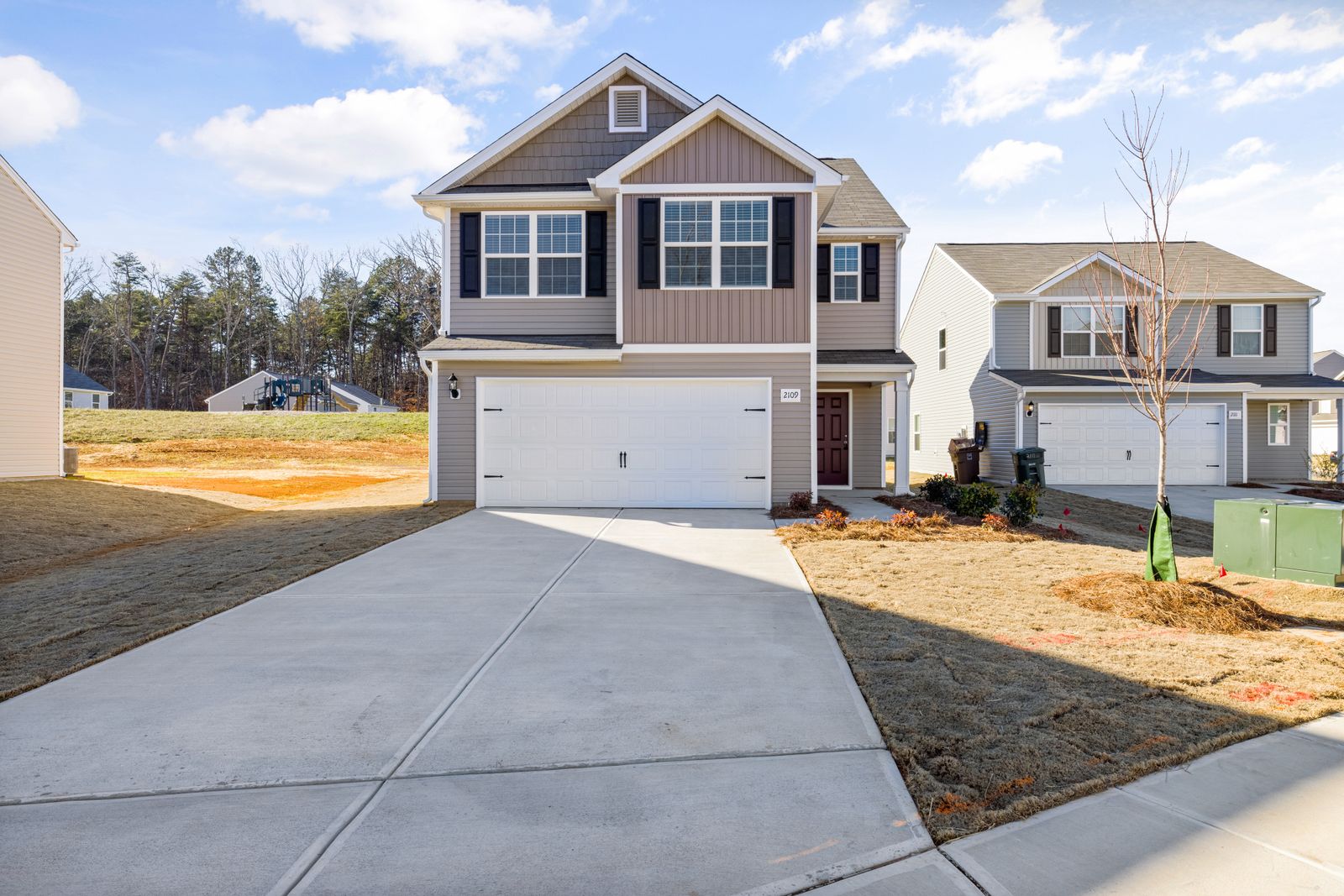 InsuranceExcess Flood Insurance: Coverage Above NFIP's $250,000 LimitThe NFIP caps flood coverage at $250,000 for the building and $100,000 for contents. If your home would cost more to rebuild,…Oct 15, 2026Read guide →
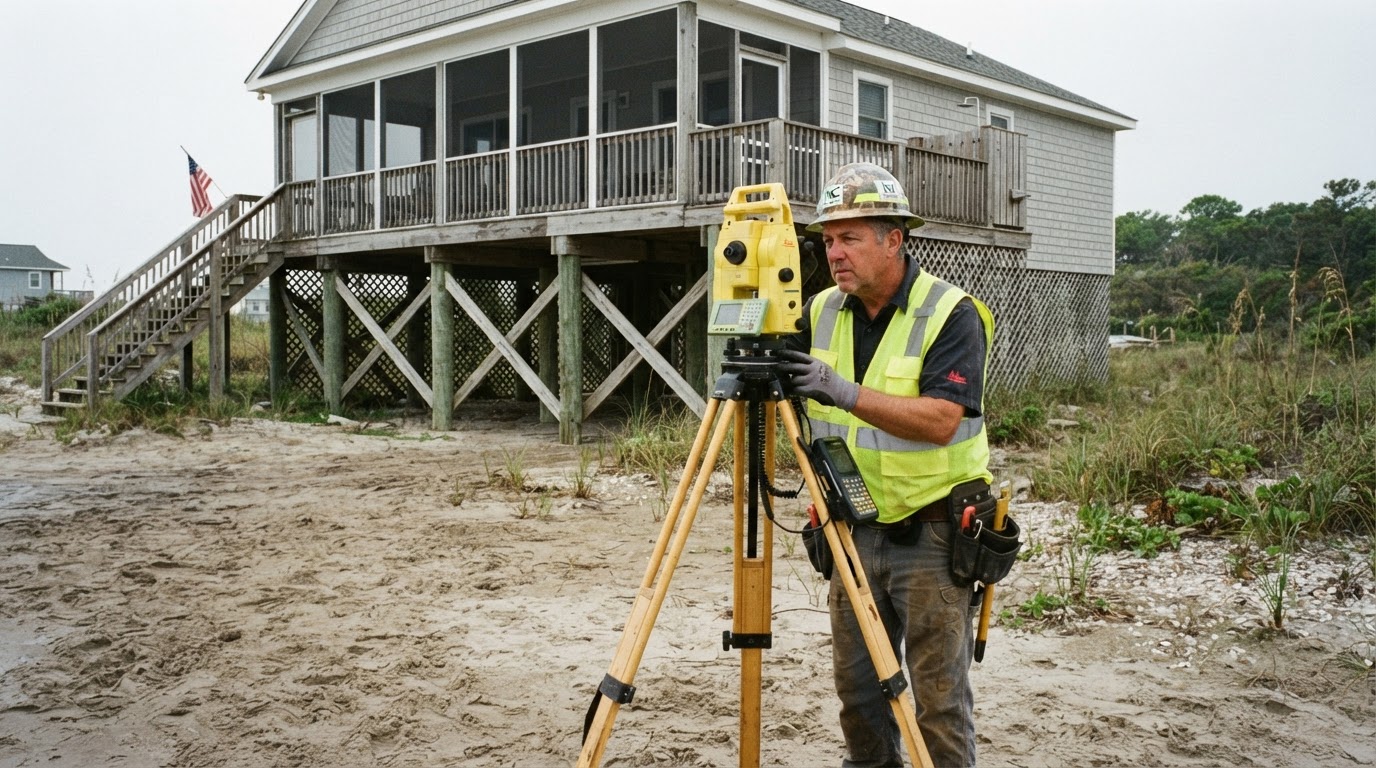 How Elevation Certificates Lower Your Flood Insurance PremiumLearn how an elevation certificate can save you hundreds on flood insurance by accurately showing your home's flood risk. This…Jun 21, 2026Read guide →
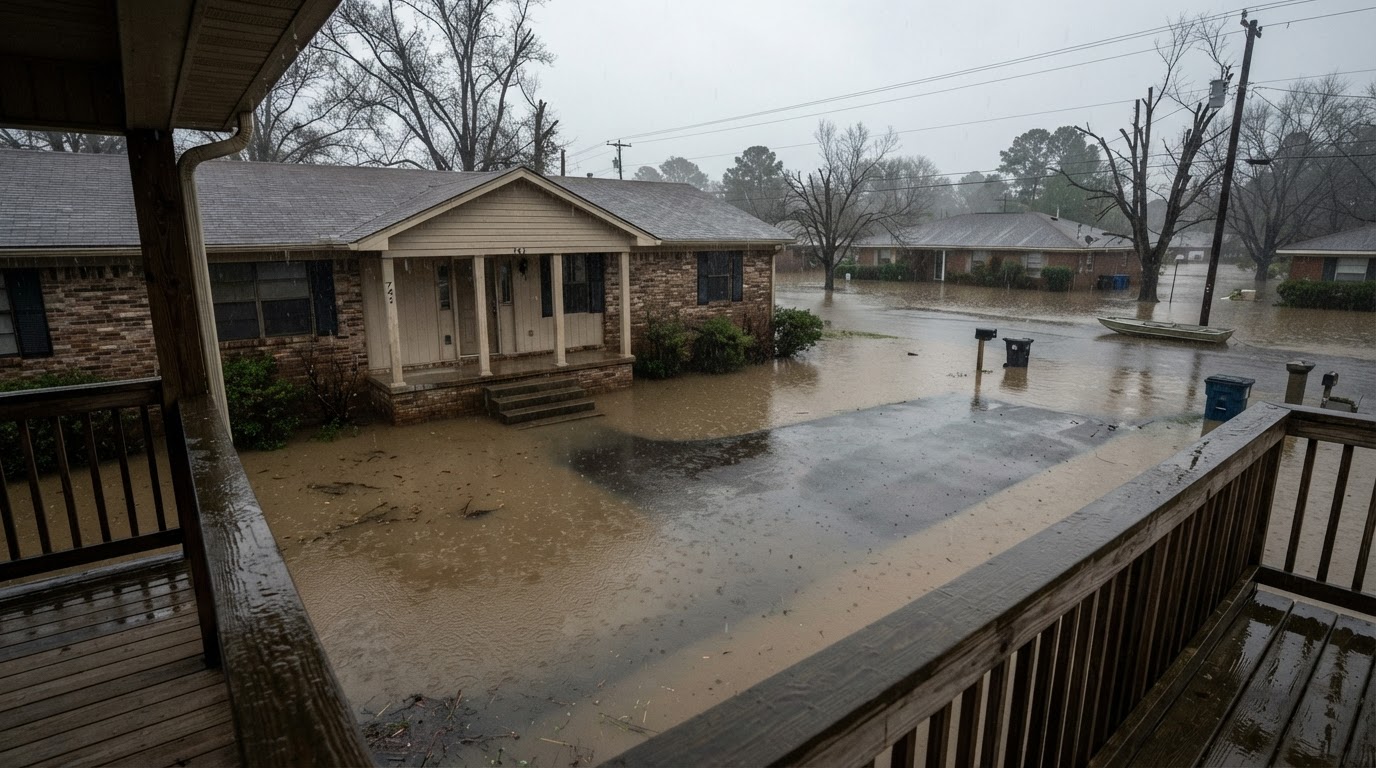 Flooded While Inside: Your Survival GuideIf your home floods while you're inside, every second counts. Learn the life-saving steps from FEMA, the CDC, and Ready.gov to…Jun 21, 2026Read guide →