
Power Outage Survival Guide: A Week Without Electricity
6 min read
On this page
Long outages are more common than most homeowners expect. Here's how to keep food, water, medicine and heat safe for a full week without power.
Why a Week Without Power Is a Realistic Scenario
Most outages last a few hours, but severe weather — hurricanes, ice storms, derechos, tornadoes, wildfires and extreme heat — can damage transmission lines and substations badly enough to leave homes dark for days. Emergency managers often suggest planning for at least 72 hours. A week is a safer target, especially for rural households, well-water users and anyone with medical needs. FEMA's National Risk Index can show you which hazards are most likely in your county.
Step 1: Build a Power-Outage Kit Before You Need It
Light and communication
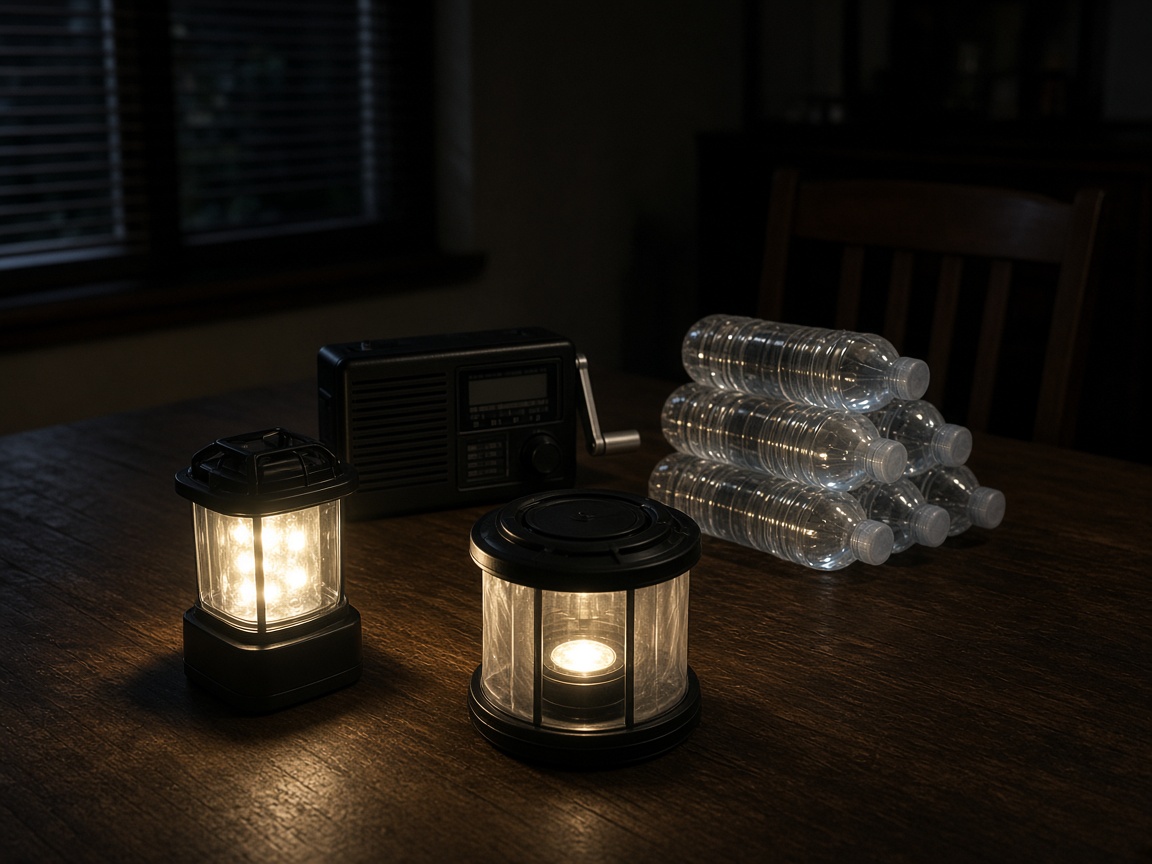
- LED flashlights or lanterns for every room, plus a headlamp for hands-free work. Skip candles — open flame is a leading cause of home fires after storms.
- Extra batteries in the sizes you actually use.
- A battery-powered or hand-crank NOAA Weather Radio, so you still get warnings if cell networks are overloaded.
- Power banks charged to full, plus a car charger or small solar panel to top them up.
- Your utility's outage phone number and website written down. Report your outage — don't assume a neighbor did.
Water
Ready.gov recommends storing at least one gallon of water per person per day for drinking and sanitation. For a week, that's seven gallons per person, plus water for pets. Store it in food-grade containers and rotate it. If you're on a municipal system, you may keep pressure for a while; if you're on a private well, you lose water the moment the pump stops. Before a forecast storm, fill bathtubs, buckets and large pots — that water is for flushing and washing, not drinking, unless you disinfect it.
Your water heater is also a reservoir, typically 30 to 50 gallons. Turn off the power or gas to the heater first, let the tank cool, then draw water from the drain valve.
Food and cooking
- A manual can opener and a supply of no-cook foods: peanut butter, canned beans, tuna, shelf-stable milk, dried fruit, crackers and cereal.
- A camping stove or grill with fuel — used outdoors only.
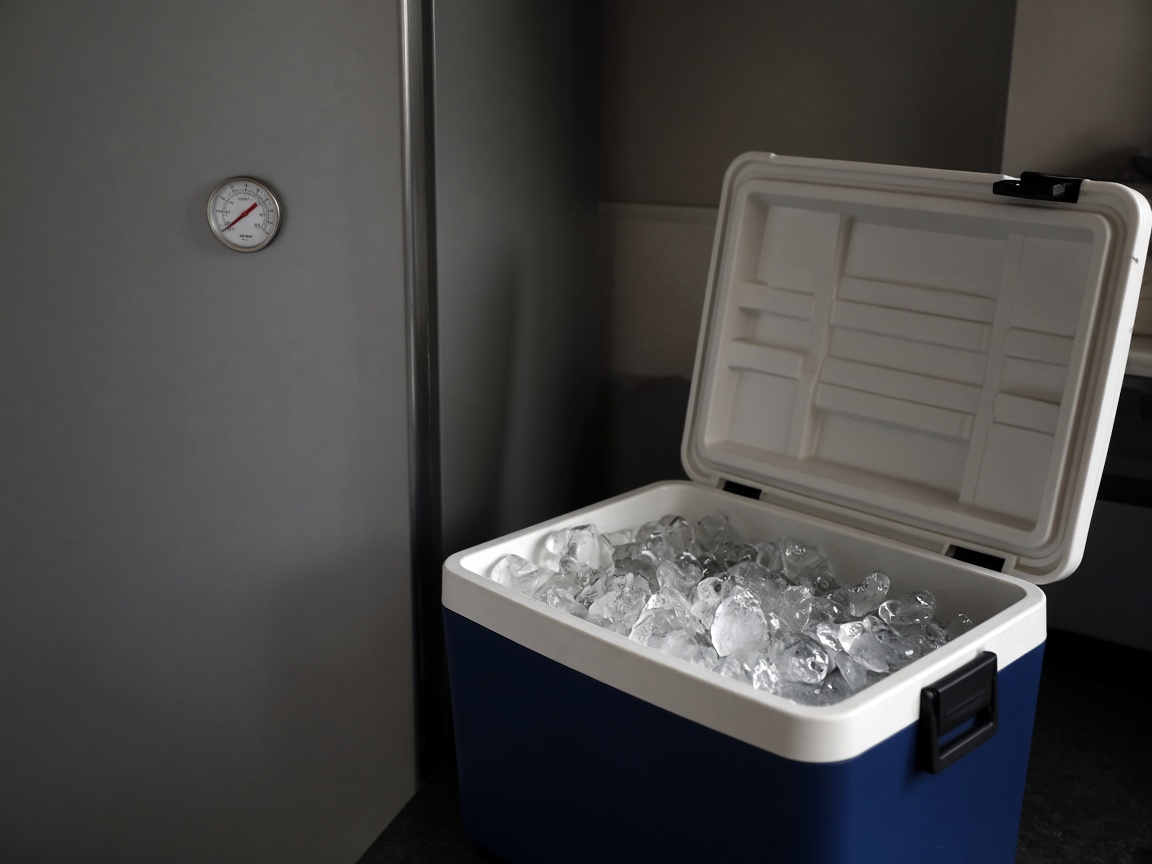
- Appliance thermometers for the fridge and freezer so you can judge food safety objectively.
- Coolers with freezer packs or bags of ice.
For details, see the USDA FSIS guidance on food safety during a power outage and FoodSafety.gov.
Medications and medical devices
Refrigerated medicine — insulin, some biologics — is a common blind spot. Ask your pharmacist in advance how long each medication can safely sit at room temperature and whether a cooler with ice packs is acceptable; the FDA publishes guidance on safe drug use after a natural disaster. If anyone in your home depends on powered equipment such as an oxygen concentrator, CPAP or home dialysis, register with your utility's medical priority or life-support program and confirm your supplier's emergency plan. Keep a paper copy of prescriptions and doctor phone numbers.
Step 2: Decide How You'll Power the Essentials
Portable generators
A generator can run a refrigerator, a few lights, a fan and a phone charger — but it carries serious risks. Follow Ready.gov generator guidance:
- Run generators outdoors only, well away from windows, doors and vents. The CDC recommends at least 20 feet. Carbon monoxide is invisible and odorless and causes deaths every year during outages.
- Install battery-powered CO alarms on every level of your home. See Ready.gov on carbon monoxide.
- Never plug a generator into a wall outlet. That “backfeeds” your home's wiring and can electrocute utility workers. Use a transfer switch installed by a qualified electrician, or run appliances directly with properly rated cords.
- Let the generator cool before refueling, and store fuel safely.
Batteries and solar
Portable power stations (large lithium battery packs) run lights, laptops and small appliances silently and safely indoors — a good option for apartments and overnight backup. Rooftop solar alone won't help during an outage unless your system has battery storage or a special inverter designed to operate when the grid is down. If you're considering a standby generator or battery system, ask your installer specifically how it behaves during a grid outage.
Choosing backup power? Our sister site UTrendCo tests portable power stations for outages — see which models can actually run a refrigerator through a multi-day blackout, or take the 60-second quiz to find the right size for your home.
Step 3: Stay Safe While the Power Is Out
Food safety
Keep refrigerator and freezer doors closed. An unopened refrigerator keeps food safe for about four hours; a full freezer holds temperature roughly 48 hours, or about 24 hours if it's half full. After that, food with ice crystals or food that stayed at 40°F or below can be refrozen or cooked; anything warmer than 40°F for two hours or more should be thrown out. When in doubt, throw it out — replacing groceries is cheaper than a hospital visit.
Heating, cooling and air
Never use a gas oven, charcoal grill or camp stove indoors for heat — all produce carbon monoxide. In winter, close off unused rooms, layer clothing and blankets, and keep furnace and water heater vents clear. In extreme heat, prioritize cooling: move to the lowest floor, use battery fans, drink water and know where your community's cooling center is. Check on elderly neighbors.
Water, plumbing and basements
In freezing weather, an unheated home can burst pipes. If the outage will be long and temperatures are dropping, shut off the main water valve and drain the lines, or let a faucet trickle if pressure remains. If you have a sump pump, a battery backup system can buy critical hours during a storm-driven outage. Well owners should remember that the pump, pressure tank and any water treatment equipment all need electricity.
Home security and surge protection
Unplug sensitive electronics — TVs, computers, gaming consoles — to protect them from surges when power returns. Leave one light switched on so you know when the grid is back. Lock doors and use motion lights or lanterns rather than burning candles.
Step 4: Stay Informed
Follow your utility's outage map and your state or county emergency management agency for restoration estimates and shelter information. The National Weather Service issues the warnings that usually precede long outages, and Ready.gov's power outage page has checklists you can print.
When the Power Comes Back
- Wait a few minutes before turning on major appliances, and reset any tripped GFCI outlets.
- Check refrigerator and freezer temperatures and discard unsafe food.
- Refill water, batteries, fuel and medications.
- Note what you wished you'd had and add it to your kit this week.
The Bottom Line
A week without electricity is survivable and far less stressful with a plan. Store water and no-cook food, protect your medications, keep generators outdoors, and never bring combustion appliances inside. Start with the Ready.gov power outage page and build a kit — a few hours of preparation now can carry your household through the worst week of the year.
About our guidance
Our guides are grounded in publicly available information from official sources such as FEMA, NOAA, USGS and Ready.gov. Information is general in nature — always verify details for your specific property and policy with official sources and your insurer.
Related guides
 InsuranceLender-Placed Flood Insurance: The Expensive Backup If Your Policy LapsesYour lender can force-place flood insurance if your policy lapses — and bill you for it, usually at a higher price. Here is how…Oct 15, 2026Read guide →
 InsuranceWhat Happens to Your NFIP Policy If Congress Lets the Program LapseCongress extended the NFIP through December 11, 2026. If the program lapses, existing policies stay in force and claims get paid…Oct 15, 2026Read guide →
 InsuranceExcess Flood Insurance: Coverage Above NFIP's $250,000 LimitThe NFIP caps flood coverage at $250,000 for the building and $100,000 for contents. If your home would cost more to rebuild,…Oct 15, 2026Read guide →