
West region · CO
Colorado home risk profile
Overall home hazard risk: Moderate
How to use this profile
- Scan the hazard list. Anything rated Major or Extreme is the next page to open.
- Read the insurance note — flood and earthquake are usually separate policies.
- Look up your ZIP, then confirm the address on the official maps linked from each hazard page.
Your closing date is three weeks away, and the insurance quote for that house in Golden came back with a wildfire surcharge you didn't expect. You got a flood zone letter, too — an AE zone, maybe, or just a note that the creek behind the property has a history. Welcome to Colorado, where the biggest home risk isn't a hurricane. It's fire.
State hazard pros rate wildfires at 5 out of 5 and severe storms — hail, wind, lightning — at 4 out of 5. Those two are the ones that move your premium. A single hailstorm can total a roof in Colorado Springs. A wildfire in the foothills can make a policy nonrenewable. Hail season runs from April to September, and it doesn't care about your deductible. If I had one afternoon and one browser tab, I'd pull the county wildfire risk map and the FEMA flood map before I even look at paint colors. You can start with the Colorado Division of Homeland Security and Emergency Management for county plans and mitigation grants.
Fly in on Friday? Drive the neighborhood at 5 p.m. and look at the roofs. Are they new? Are they class A? Ask the seller for a hail claim history. In Colorado, the roof is the house. Then check the wildfire risk: is the home in a wildland-urban interface? Does the county have a defensible space requirement? Ask if the home has a class 4 impact-resistant roof — that's a real discount in some counties. Drought and winter storms also rate high, but they don’t usually drive a claim denial. Flooding and tornadoes are moderate. You get the picture.
You can buy a house in Colorado. Just know what you’re buying. Most risk here is manageable with mitigation: a hail-resistant roof, a firewise cleanup, a sump pump. But you need to ask the right questions before the closing date, not after. The state’s hazard mitigation plan is public. Read it. Colorado's emergency agency runs mitigation grant programs, but they won't help after the fire. Then call an insurance agent who writes in the mountains, not just in Denver. That’s my one piece of advice: get a quote before you fall in love with the view.
Risk levels in Colorado
Statewide scores, highest first. A neighborhood can look different from the state average — use these to decide which official map to open.
What the ratings mean
"MinimalMinorModerateMajorExtreme
Each rating is a statewide starting point, framed for a typical 30-year stay — the length of a standard mortgage. A neighborhood can look different from the state average. Always verify your address with official FEMA, NOAA or USGS maps.
Questions about Colorado
- What is the overall home-hazard rating in Colorado?
- Colorado scores Moderate overall on our statewide scale. That average can hide one severe local peril — open the highest-rated hazard pages and then verify your address.
- Does a standard homeowners policy cover the main risks in Colorado?
- Fire is usually covered, but in high-risk ZIP codes the hard part is keeping a policy at all. Mitigation (defensible space, roof, vents) can matter as much as the premium.
- How should I use this Colorado page?
- Treat it as a briefing, not a determination. Check the hazard list, open the pages rated Major or Extreme, then confirm the parcel on FEMA, NOAA or USGS maps and with Colorado Division of Homeland Security and Emergency Management.
Last updated: October 10, 2026. Risk levels are state-wide estimates based on public hazard data (FEMA, NOAA, USGS) — always verify your specific address with official sources.
Guides to read with this profile
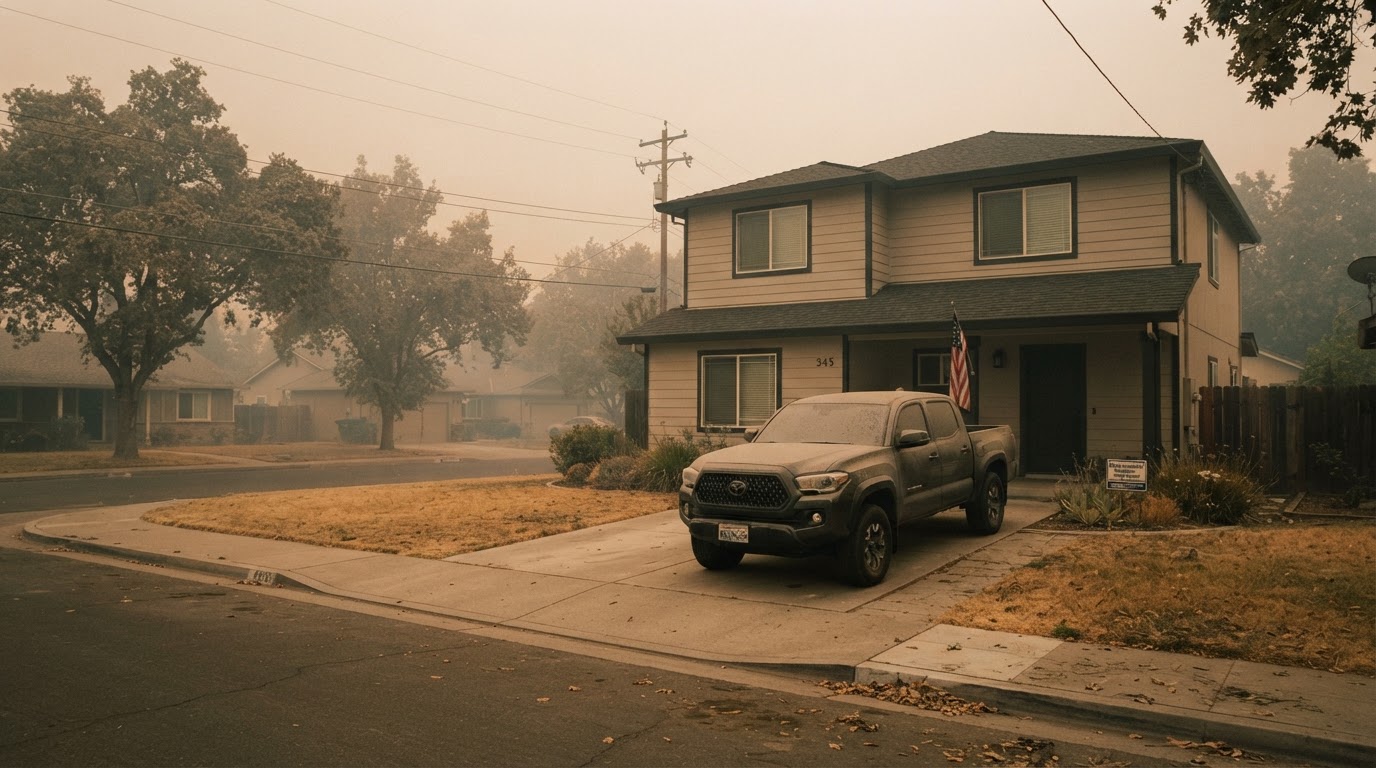 Wildfire Smoke & Air Quality: How to Protect Your HomeLearn how to protect your home and family from wildfire smoke with practical steps from FEMA, CDC, and EPA. From sealing your…Jun 21, 2026Read guide →
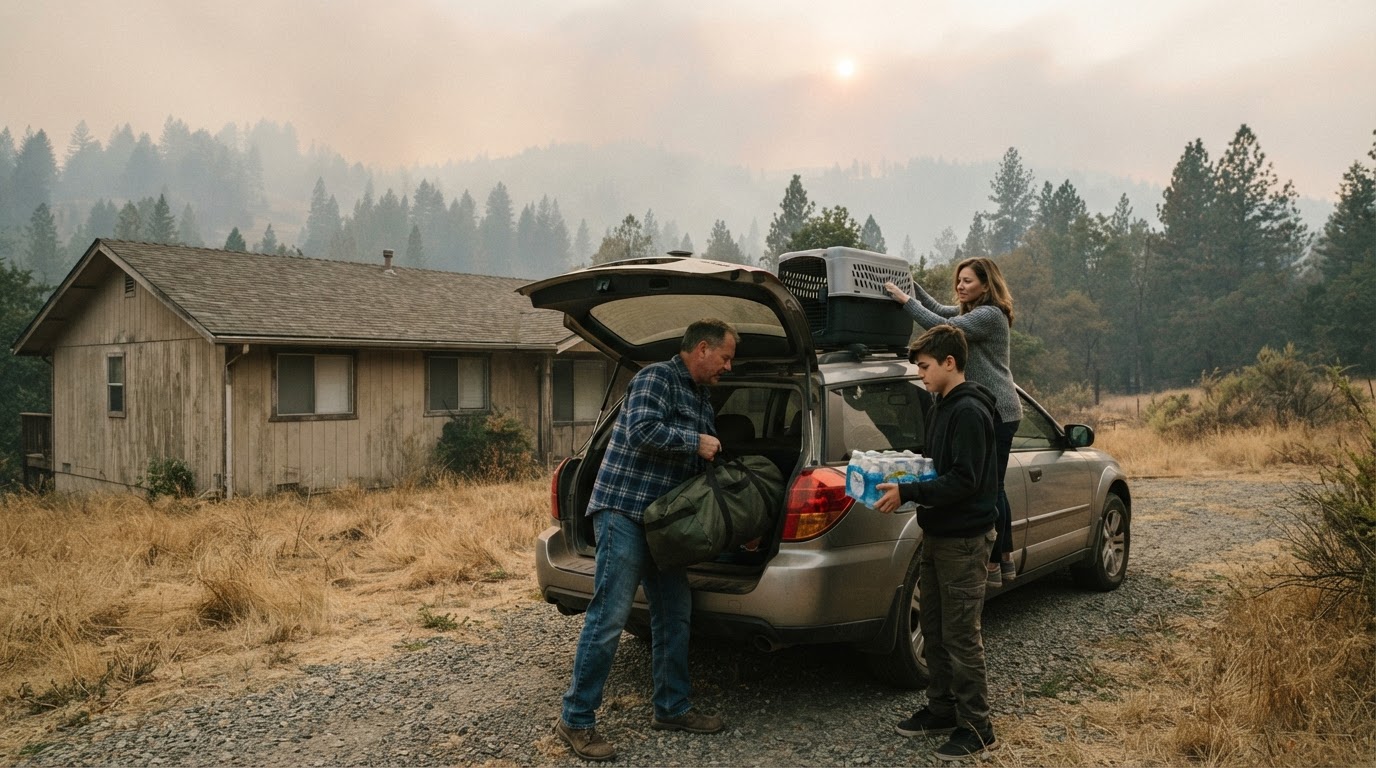 Wildfire Evacuation Prep in 60 Minutes: A Step-by-Step GuideWhen a wildfire threatens, you may have less than an hour to evacuate. Learn how to prepare a go-bag, safeguard your home, and…Jun 21, 2026Read guide →
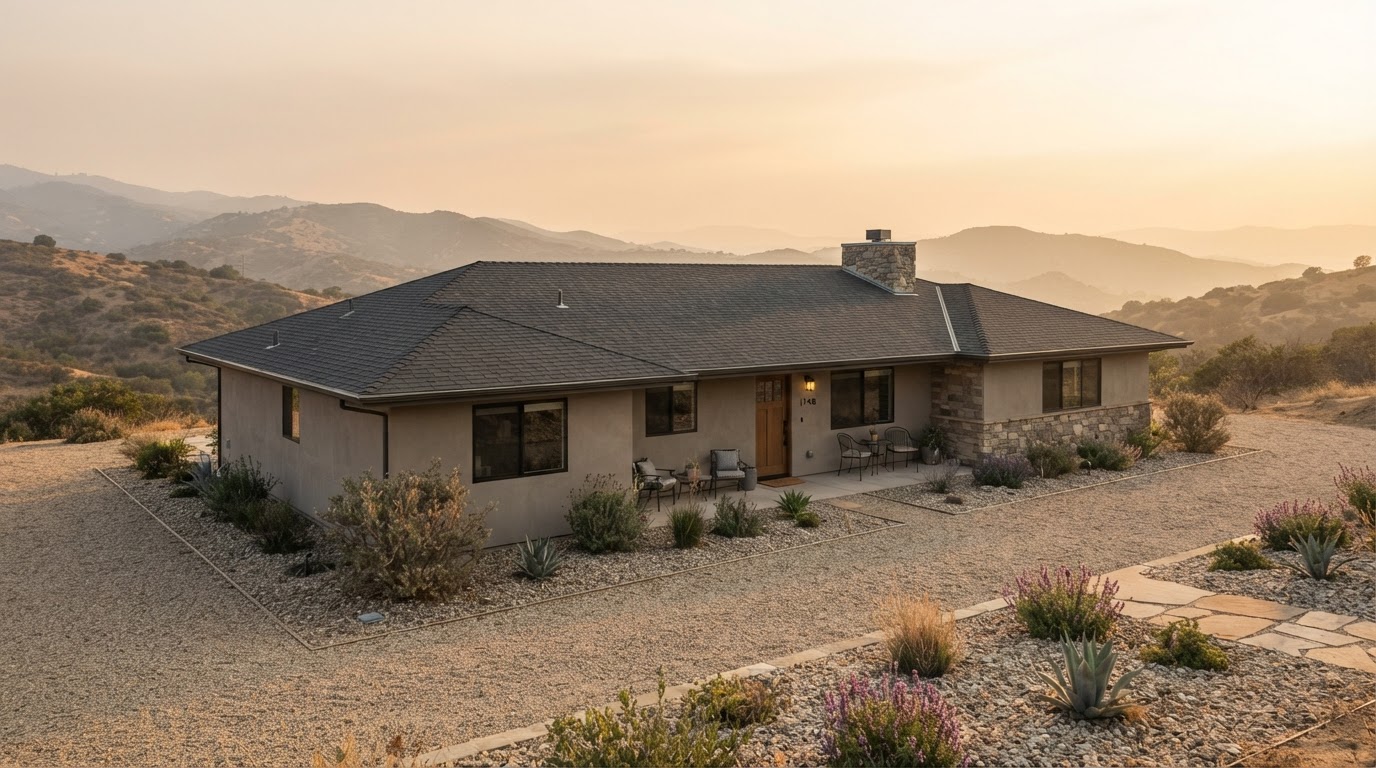 Wildfire Home Hardening: Roof, Vents, Gutters, and Deck ChecklistLearn how to harden your home against wildfire by focusing on four critical areas: roof, vents, gutters, and deck. This checklist…Jun 21, 2026Read guide →