
Local focus: Tornadoes
Fort Wayne, Indiana home risk profile
Allen County · Statewide overall risk: Moderate
What this page is
Fort Wayne sits in Allen County, Indiana. This is a local briefing: it names the hazard that usually matters most here (Tornadoes), then shows the statewide ratings Indiana homeowners use to decide what official map to open. It is not a flood-zone letter or an insurance quote.
- Confirm the neighborhood with a ZIP lookup.
- Open Tornadoes in Indiana.
- Verify the address on the official maps in the sidebar, then read a matching guide.
Fort Wayne grew up at the confluence of three rivers — the St. Marys and St. Joseph joining to form the Maumee — and its location in northeastern Indiana puts it at the eastern edge of the Midwest's tornado corridor. Strong spring and summer storms roll across Allen County regularly, and while the area escapes the worst of Tornado Alley, it sees its share of tornado warnings, damaging wind, and large hail.
The city's older neighborhoods near downtown feature housing stock that predates modern building codes, while growth continues in suburban townships where new subdivisions sit exposed on former farmland. Winter storms add a second hazard season, with heavy snow and ice testing roofs and knocking out power.
Fort Wayne homeowners should pay attention to roof condition — hail and wind are the most frequent culprits — and make sure mature trees near the house are pruned before storm season. A lowest-level interior shelter plan and a warning source that works during power outages round out the basics for the region's severe weather.
How to read the Fort Wayne snapshot
Fort Wayne is in Allen County, Indiana. This page does not score individual streets. It tells you which statewide hazards matter most here, then points you to the official map for the address you care about.
The local focus is Tornadoes in Indiana. Wind damage is usually covered; flood from the same storm often is not. Photograph the roof now, before hail or a tornado makes the “before” pictures impossible.
Highest statewide ratings that apply in Fort Wayne
- Flooding — Major. Indiana has a level 4 out of 5 flood risk, and it's not just river towns — heavy rain and flash floods hit everywhere…
- Tornadoes — Major. In Indiana, tornado risk is a real thing — the state gets about two dozen tornadoes a year, and some counties see…
- Winter Storms — Major. Indiana gets a level 4 out of 5 for winter storm risk, so you should expect ice, heavy snow, and frozen pipes somewhere…
What to do before you buy or renew in Fort Wayne
- Look up the ZIP on our ZIP tool so you land on this city or the Indiana profile.
- Open the Tornadoes page and follow the official map links in the sidebar.
- Confirm preparedness guidance with Indiana Department of Homeland Security.
Other Indiana city briefings: Evansville, Indianapolis, South Bend.
Hazard ratings for Indiana
These are state-level scores used across Fort Wayne. Use them as a starting point, then verify your exact address with the official maps linked on each hazard page.
What the ratings mean
"MinimalMinorModerateMajorExtreme
Each rating is a statewide starting point, framed for a typical 30-year stay — the length of a standard mortgage. A neighborhood can look different from the state average. Always verify your address with official FEMA, NOAA or USGS maps.
Using the Fort Wayne profile
- Does Fort Wayne have its own hazard scores?
- No. Fort Wayne inherits Indiana’s statewide ratings. Use this page to see which peril matters most locally (Tornadoes), then verify the exact address — two streets in Allen County can differ.
- What should I check first in Fort Wayne?
- Start with Tornadoes in Indiana, then a ZIP lookup and the FEMA or USGS map that matches that hazard.
- Will homeowners insurance cover Tornadoes here?
- Wind damage is usually covered; flood from the same storm often is not. Photograph the roof now, before hail or a tornado makes the “before” pictures impossible.
Last updated: October 14, 2026. Ratings are state-wide estimates — always verify your specific address with official sources.
Guides for Indiana homeowners
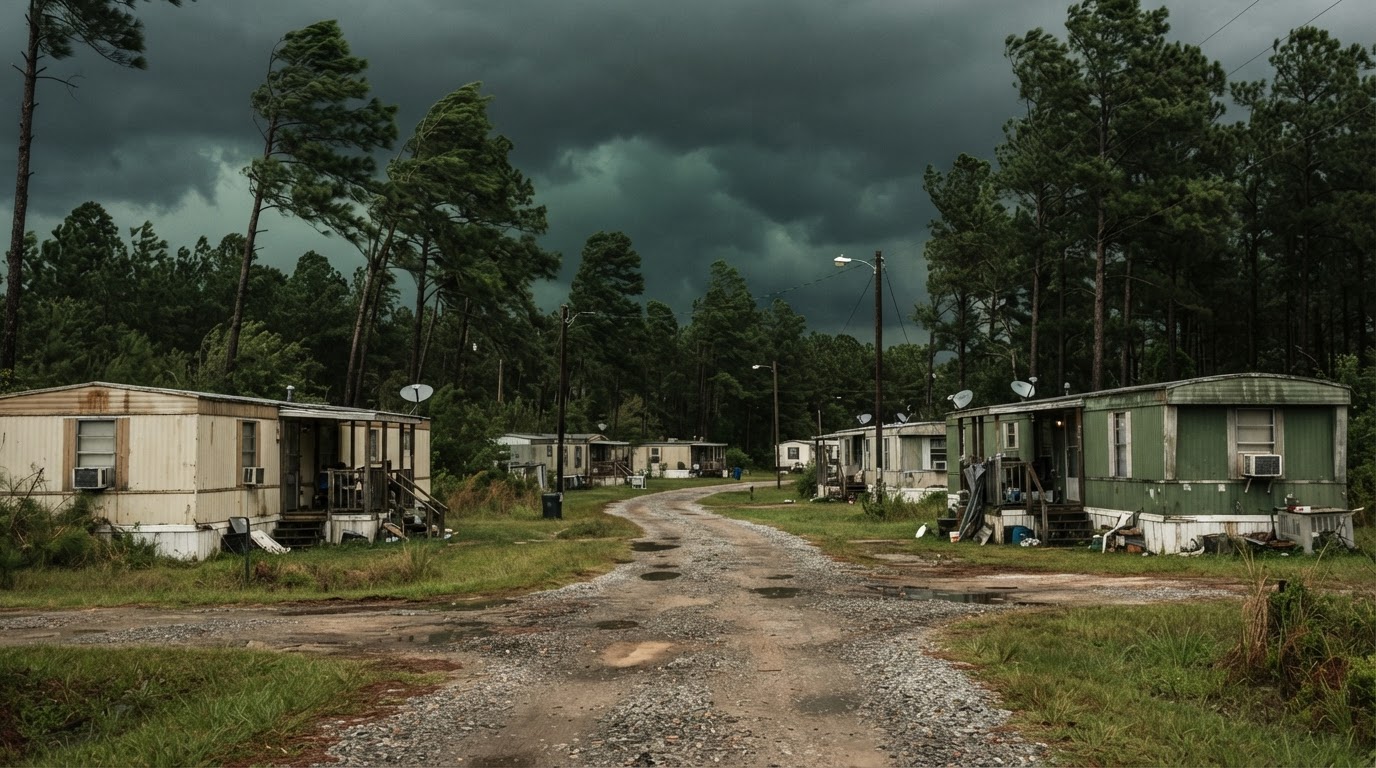 Mobile Home Tornado Safety: What Actually WorksMobile homes are particularly vulnerable to tornadoes. Learn the proven strategies that save lives, based on official guidance…Jun 21, 2026Read guide →
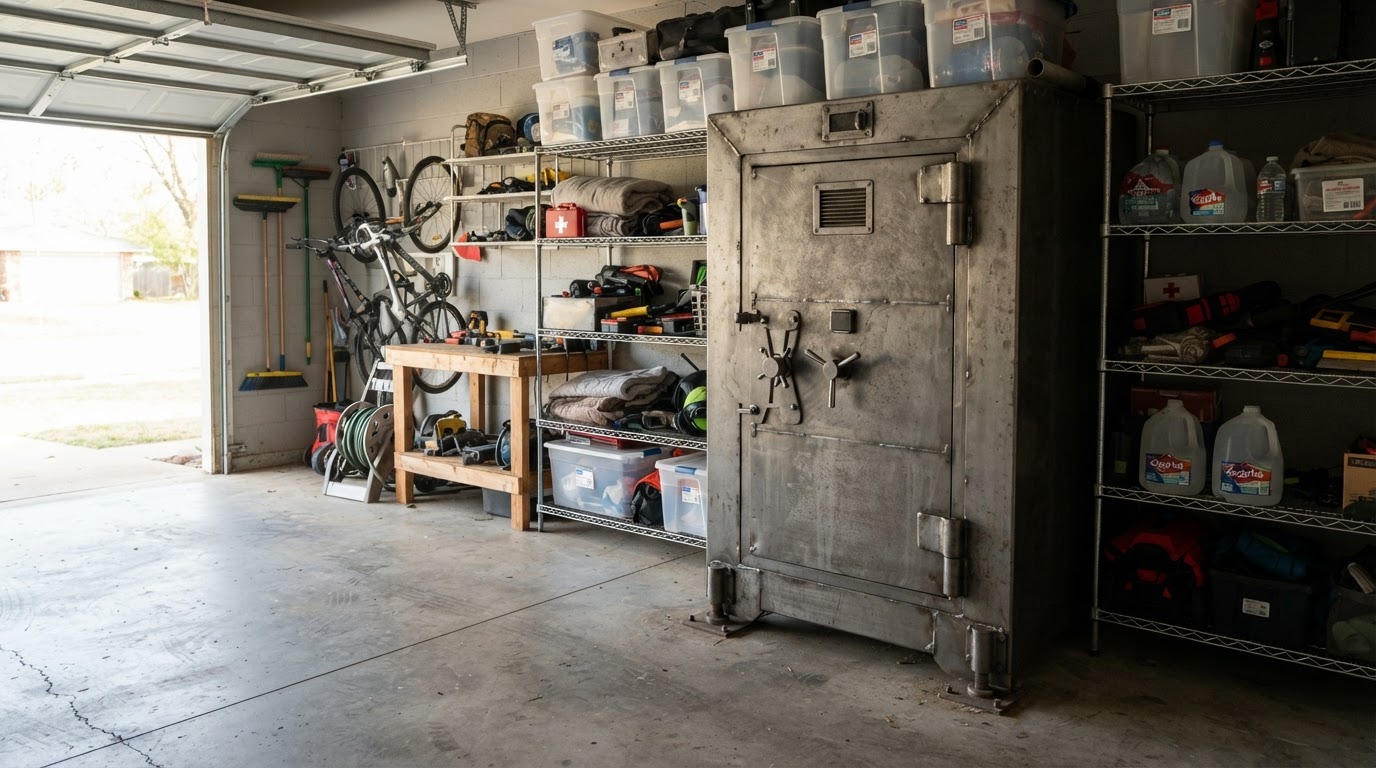 Tornado Safe Room vs Storm Shelter: Costs & Options for HomeownersLearn the key differences between tornado safe rooms and storm shelters, including costs, installation options, and FEMA…Jun 21, 2026Read guide →
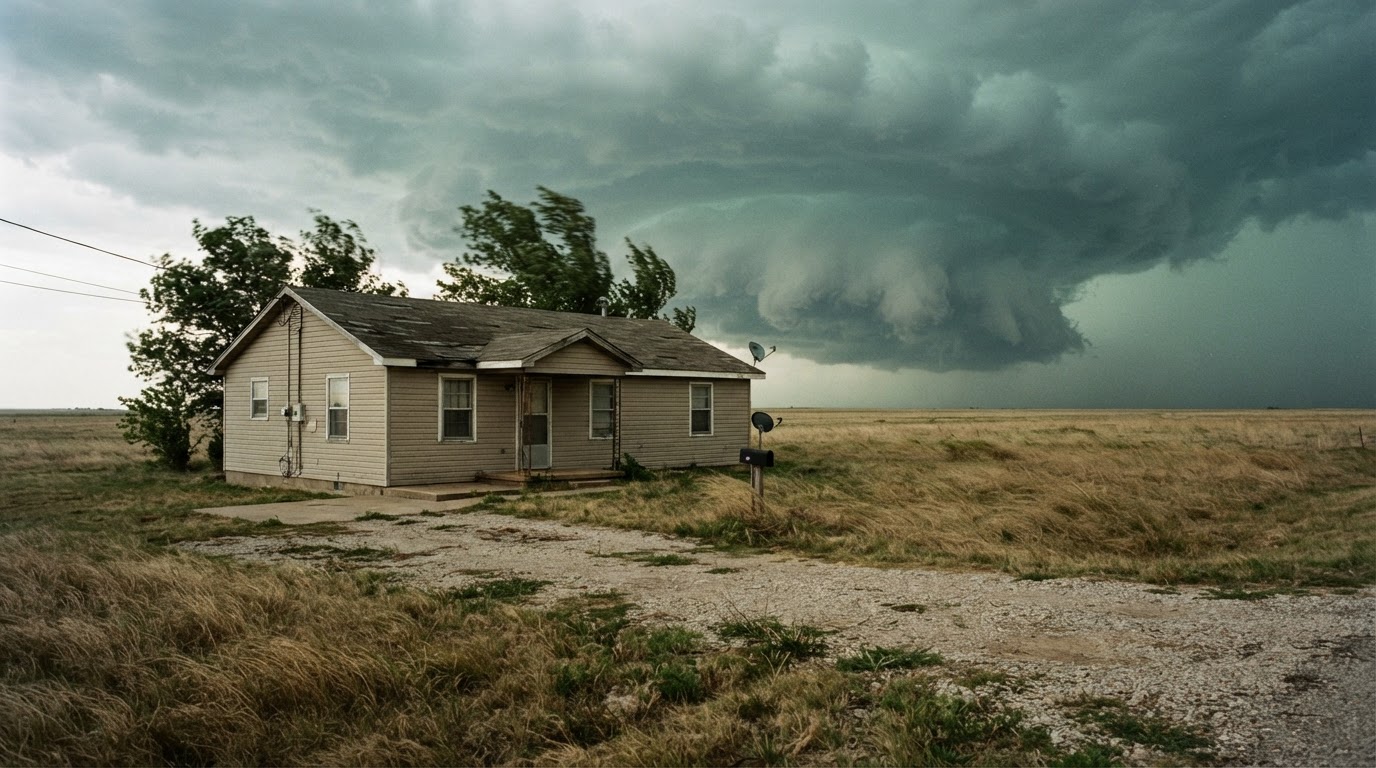 Safest Place in Your House During a Tornado by Home TypeWhere you take shelter during a tornado depends on your home type. Learn the safest locations for single-family homes,…Jun 21, 2026Read guide →