
Local focus: Winter Storms
South Bend, Indiana home risk profile
St. Joseph County · Statewide overall risk: Moderate
What this page is
South Bend sits in St. Joseph County, Indiana. This is a local briefing: it names the hazard that usually matters most here (Winter Storms), then shows the statewide ratings Indiana homeowners use to decide what official map to open. It is not a flood-zone letter or an insurance quote.
- Confirm the neighborhood with a ZIP lookup.
- Open Winter Storms in Indiana.
- Verify the address on the official maps in the sidebar, then read a matching guide.
South Bend sits in the northern tier of Indiana, close enough to Lake Michigan for the lake to dictate its winters. When cold air sweeps across the relatively warm lake in late fall and winter, lake-effect snow bands can bury St. Joseph County while areas just a short drive south see far less — a pattern that makes snowfall totals here far heavier than in most of Indiana.
The St. Joseph River runs through the city, and the combination of deep snow, freeze-thaw cycles, and bitter cold tests homes every winter. Older housing near downtown and the university can be vulnerable to ice dams, frozen pipes, and the weight of accumulated snow on aging roofs, while newer suburbs face the same lake-effect bands with better insulation but plenty of driveway to clear.
South Bend homeowners should budget for serious snow removal, keep attics well insulated and ventilated to prevent ice dams, and protect pipes in unheated spaces before the first hard freeze. A roof rated for heavy snow loads and a heating system serviced each fall are the unglamorous essentials of homeownership in the lake-effect zone.
How to read the South Bend snapshot
South Bend is in St. Joseph County, Indiana. This page does not score individual streets. It tells you which statewide hazards matter most here, then points you to the official map for the address you care about.
The local focus is Winter Storms in Indiana. Weight of ice and snow is often covered; flood from a burst pipe or ice jam may need extra coverage. Frozen-pipe exclusions show up when heat was off.
Highest statewide ratings that apply in South Bend
- Flooding — Major. Indiana has a level 4 out of 5 flood risk, and it's not just river towns — heavy rain and flash floods hit everywhere…
- Tornadoes — Major. In Indiana, tornado risk is a real thing — the state gets about two dozen tornadoes a year, and some counties see…
- Winter Storms — Major. Indiana gets a level 4 out of 5 for winter storm risk, so you should expect ice, heavy snow, and frozen pipes somewhere…
What to do before you buy or renew in South Bend
- Look up the ZIP on our ZIP tool so you land on this city or the Indiana profile.
- Open the Winter Storms page and follow the official map links in the sidebar.
- Confirm preparedness guidance with Indiana Department of Homeland Security.
Other Indiana city briefings: Evansville, Fort Wayne, Indianapolis.
Hazard ratings for Indiana
These are state-level scores used across South Bend. Use them as a starting point, then verify your exact address with the official maps linked on each hazard page.
What the ratings mean
"MinimalMinorModerateMajorExtreme
Each rating is a statewide starting point, framed for a typical 30-year stay — the length of a standard mortgage. A neighborhood can look different from the state average. Always verify your address with official FEMA, NOAA or USGS maps.
Using the South Bend profile
- Does South Bend have its own hazard scores?
- No. South Bend inherits Indiana’s statewide ratings. Use this page to see which peril matters most locally (Winter Storms), then verify the exact address — two streets in St. Joseph County can differ.
- What should I check first in South Bend?
- Start with Winter Storms in Indiana, then a ZIP lookup and the FEMA or USGS map that matches that hazard.
- Will homeowners insurance cover Winter Storms here?
- Weight of ice and snow is often covered; flood from a burst pipe or ice jam may need extra coverage. Frozen-pipe exclusions show up when heat was off.
Last updated: October 14, 2026. Ratings are state-wide estimates — always verify your specific address with official sources.
Guides for Indiana homeowners
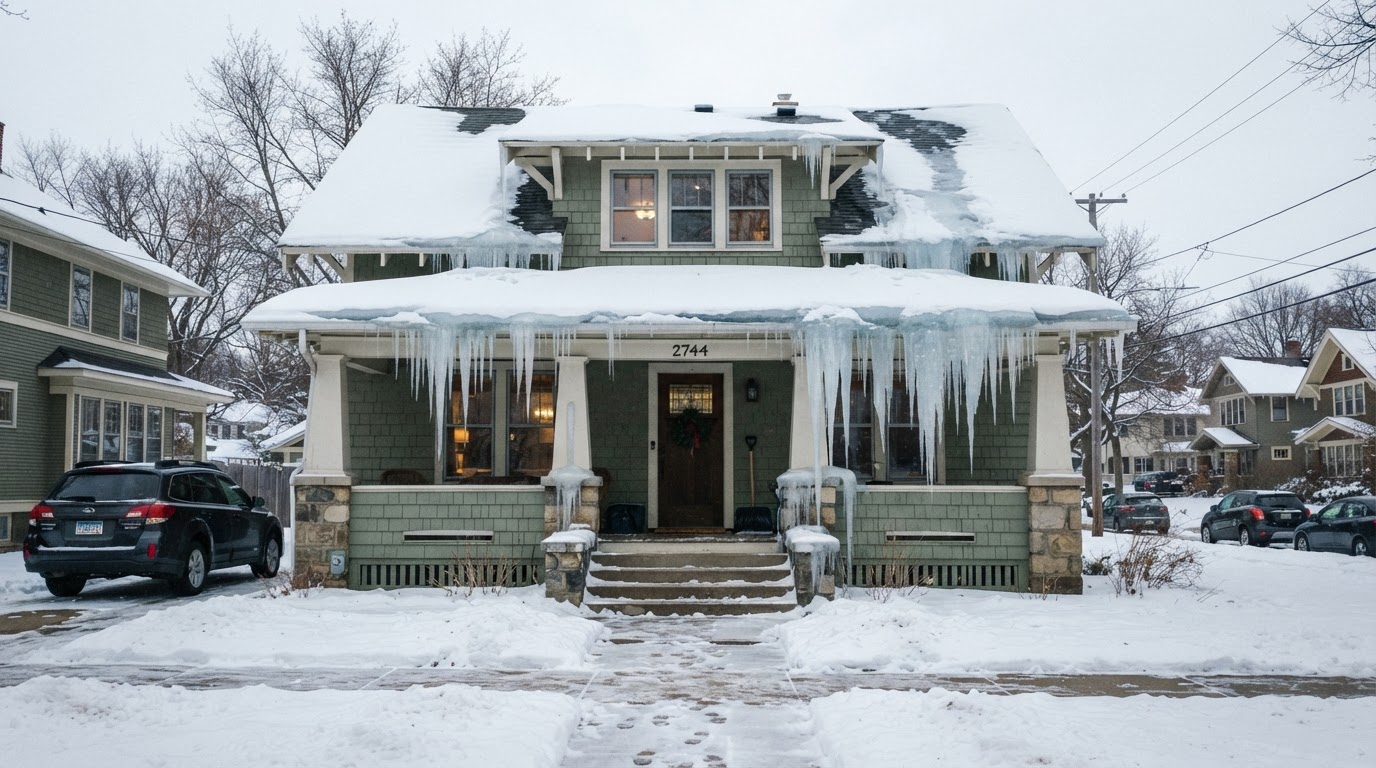 Stop Ice Dams: Essential Prevention Tips for Your RoofIce dams can cause costly damage to your home. Learn how to prevent them with proper insulation, ventilation, and smart home…Jun 21, 2026Read guide →
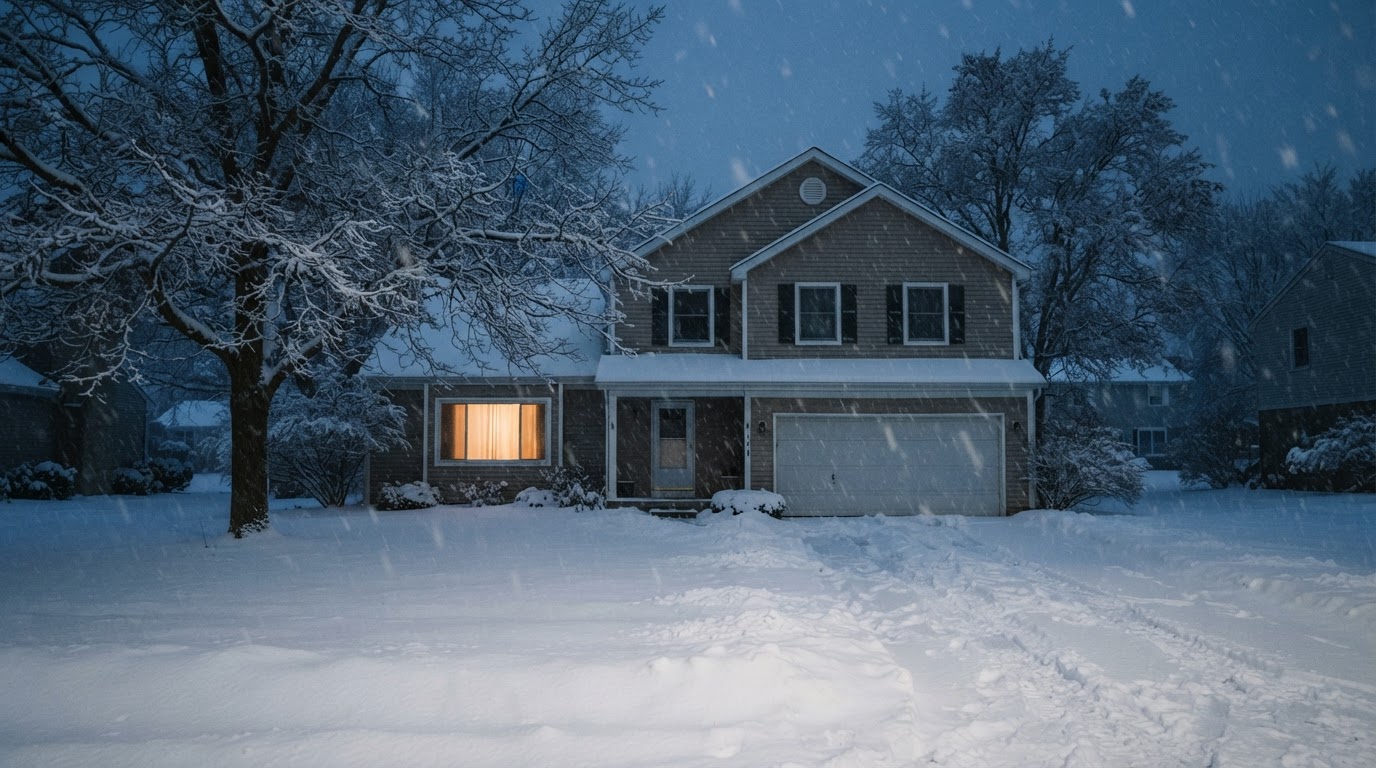 Safe Backup Heating for Winter Power Outages: Expert TipsLearn how to stay warm safely during a winter power outage with backup heating options recommended by FEMA, Ready.gov, and the…Jun 21, 2026Read guide →
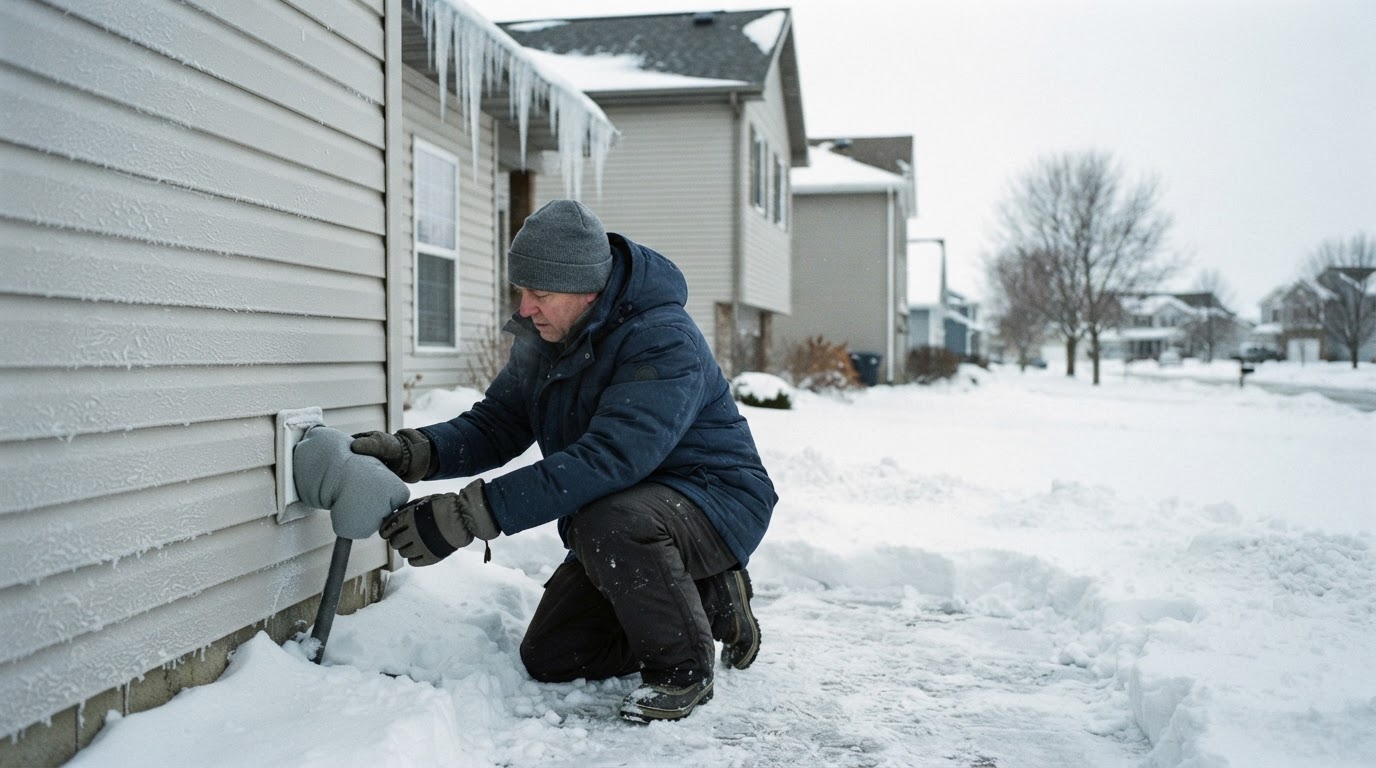 Prevent Frozen and Burst Pipes This WinterFrozen pipes can burst and cause costly water damage. Learn practical steps from FEMA and Ready.gov to protect your home before,…Jun 21, 2026Read guide →