
Local focus: Extreme Heat
Henderson, Nevada home risk profile
Clark County · Statewide overall risk: Moderate
What this page is
Henderson sits in Clark County, Nevada. This is a local briefing: it names the hazard that usually matters most here (Extreme Heat), then shows the statewide ratings Nevada homeowners use to decide what official map to open. It is not a flood-zone letter or an insurance quote.
- Confirm the neighborhood with a ZIP lookup.
- Open Extreme Heat in Nevada.
- Verify the address on the official maps in the sidebar, then read a matching guide.
Henderson is Las Vegas's southeastern suburb, built on the desert floor between the McCullough Range and the Las Vegas Wash, and it shares the metro's brutal heat. Summer temperatures routinely top 105 degrees, and the city's rapid growth has paved over desert with subdivisions, warehouses and wide arterials that radiate heat long after sunset. For Henderson homeowners, extreme heat is the costliest and most persistent hazard, measured in air-conditioning bills, roof wear and water use.
Water is Henderson's deeper story. The city draws from the Colorado River system via Lake Mead, and the reservoir's decline has put the entire metro on a permanent conservation footing. Watering restrictions, turf-removal programs and rising rates are the new normal, and HOA landscaping rules are being rewritten around them. Monsoon season adds a violent counterpoint to the dry heat: sudden downpours on baked-hard desert soil cause flash flooding in washes and low streets, and microburst winds damage roofs and topple trees.
The smart Henderson home is xeriscaped, shaded and solar-paneled: desert landscaping cuts water bills, shade structures protect walls and patios, and rooftop solar can offset the punishing summer electric load. When buying, check the flood zone status, since desert flash flooding surprises newcomers, and ask for summer utility bills to understand the true cost of cooling. Confirm HOA rules on turf, solar and shade structures before closing, because in Henderson those rules shape your heat strategy.
How to read the Henderson snapshot
Henderson is in Clark County, Nevada. This page does not score individual streets. It tells you which statewide hazards matter most here, then points you to the official map for the address you care about.
The local focus is Extreme Heat in Nevada. Heat rarely pays a property claim. The practical costs are cooling, medical risk and power-outage food loss — plan for those, not a check from the insurer.
Highest statewide ratings that apply in Henderson
- Wildfires — Extreme. Nevada is rated 5 of 5 for wildfire risk. The state's dry climate, expansive wildlands, and growing wildland-urban…
- Extreme Heat — Extreme. Nevada faces a very high risk from extreme heat, rated level 5 of 5. Prolonged periods of triple-digit temperatures and…
- Drought — Extreme. Drought is a recurring, long-term condition in Nevada rather than a rare emergency — the state is generally…
What to do before you buy or renew in Henderson
- Look up the ZIP on our ZIP tool so you land on this city or the Nevada profile.
- Open the Extreme Heat page and follow the official map links in the sidebar.
- Confirm preparedness guidance with Nevada Division of Emergency Management.
Hazard ratings for Nevada
These are state-level scores used across Henderson. Use them as a starting point, then verify your exact address with the official maps linked on each hazard page.
What the ratings mean
"MinimalMinorModerateMajorExtreme
Each rating is a statewide starting point, framed for a typical 30-year stay — the length of a standard mortgage. A neighborhood can look different from the state average. Always verify your address with official FEMA, NOAA or USGS maps.
Using the Henderson profile
- Does Henderson have its own hazard scores?
- No. Henderson inherits Nevada’s statewide ratings. Use this page to see which peril matters most locally (Extreme Heat), then verify the exact address — two streets in Clark County can differ.
- What should I check first in Henderson?
- Start with Extreme Heat in Nevada, then a ZIP lookup and the FEMA or USGS map that matches that hazard.
- Will homeowners insurance cover Extreme Heat here?
- Heat rarely pays a property claim. The practical costs are cooling, medical risk and power-outage food loss — plan for those, not a check from the insurer.
Last updated: October 14, 2026. Ratings are state-wide estimates — always verify your specific address with official sources.
Guides for Nevada homeowners
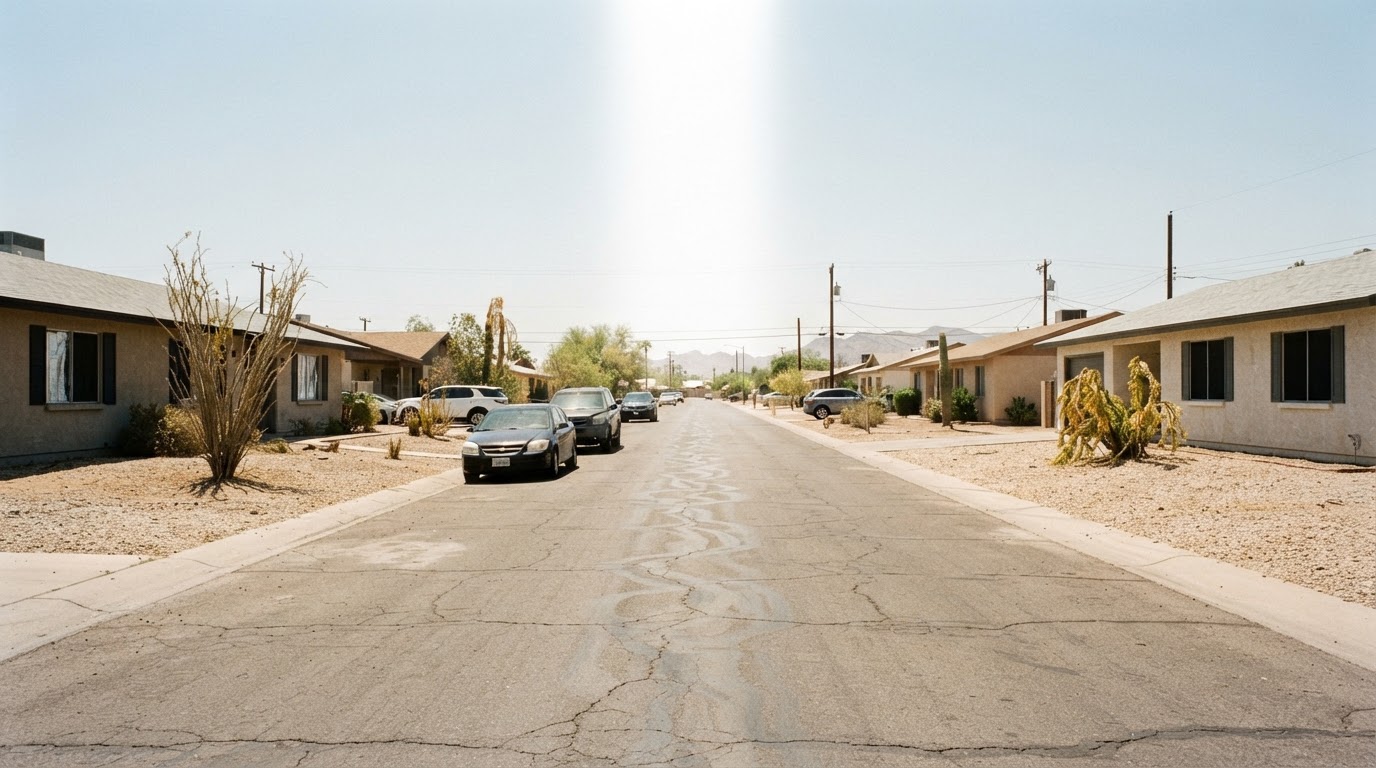 Heat Illness Warning Signs Every Homeowner and Parent Should KnowLearn to recognize the warning signs of heat exhaustion and heat stroke, and discover essential prevention tips for your home and…Jun 21, 2026Read guide →
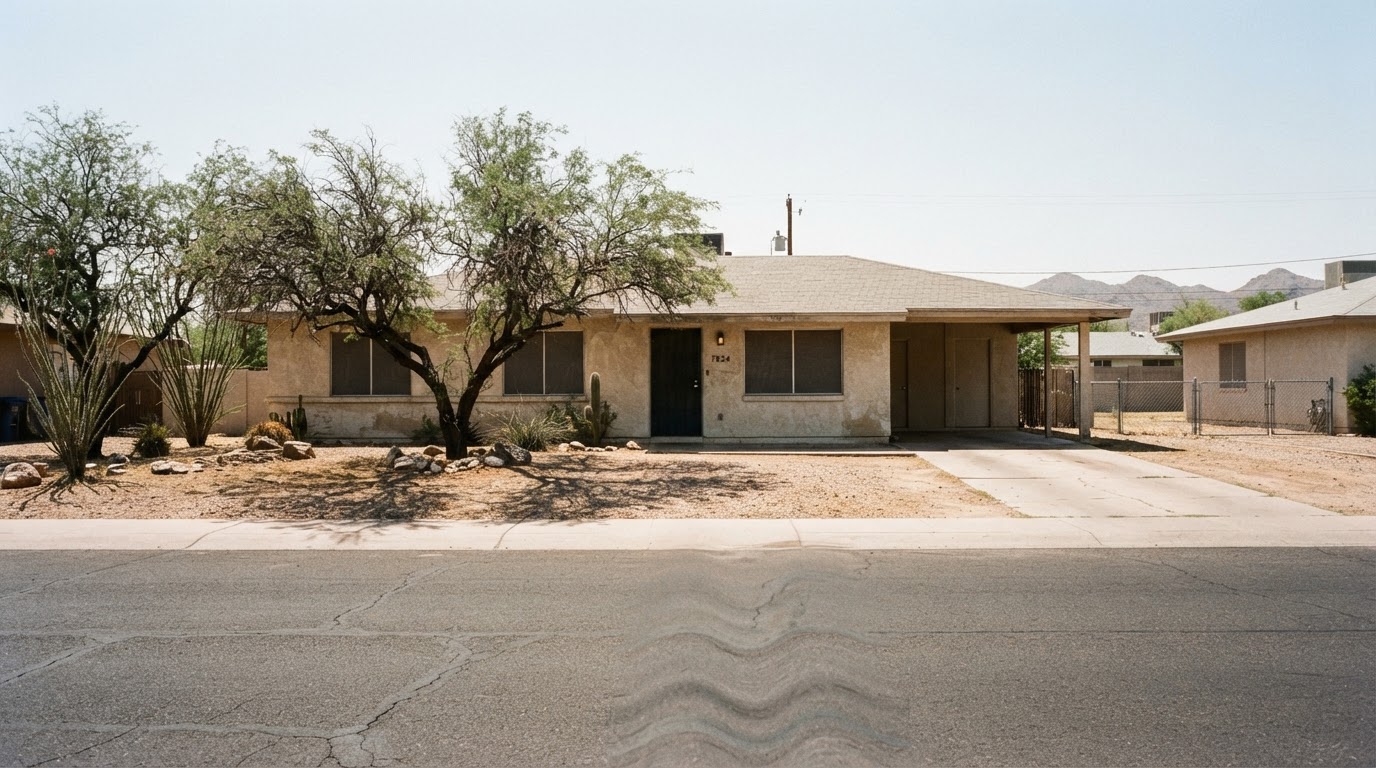 Cool Home, Low Bills: Beat the Heat Without Breaking the BankLearn how to keep your home comfortable during a heat wave while saving on energy costs, using tips from FEMA, DOE, and CDC.Jun 21, 2026Read guide →