
Local focus: Wildfires
Reno, Nevada home risk profile
Washoe County · Statewide overall risk: Moderate
What this page is
Reno sits in Washoe County, Nevada. This is a local briefing: it names the hazard that usually matters most here (Wildfires), then shows the statewide ratings Nevada homeowners use to decide what official map to open. It is not a flood-zone letter or an insurance quote.
- Confirm the neighborhood with a ZIP lookup.
- Open Wildfires in Nevada.
- Verify the address on the official maps in the sidebar, then read a matching guide.
Reno sits in the Truckee Meadows at the eastern foot of the Sierra Nevada, and fire comes down out of those mountains on the wind. The 2011 Caughlin Fire destroyed dozens of homes in southwest Reno in a single afternoon, driven by Washoe Zephyr winds through dry brush. The 2024 Davis Fire south of town repeated the lesson, forcing evacuations and closing in on the urban edge. Reno's growth keeps pushing subdivisions farther into the fire-prone foothills.
The wind is the multiplier. Afternoon zephyrs are a daily summer feature, and when they align with an ignition in the Carson Range, fire can run from the ridgeline to the suburbs in under an hour. Southwest Reno, Somersett and the Verdi corridor carry the highest exposure, but embers cross highways and the Truckee River with ease. Reno also sits in earthquake country, since the region is laced with active faults, making it a rare metro where fire and quake preparations both belong on the list.
Defensible space, ember-resistant vents and noncombustible roofing are the baseline for foothill-adjacent homes; evacuation orders here can come with very little lead time, so pack a go-bag before fire season. On the quake side, bolt older homes to their foundations and secure water heaters. When buying in the foothills, ask about the fire history of the specific slope, check that the community has more than one evacuation route, and verify wildfire coverage, since Nevada insurers are watching the Sierra front closely.
How to read the Reno snapshot
Reno is in Washoe County, Nevada. This page does not score individual streets. It tells you which statewide hazards matter most here, then points you to the official map for the address you care about.
The local focus is Wildfires in Nevada. Fire is usually covered, but in high-risk ZIP codes the hard part is keeping a policy at all. Mitigation (defensible space, roof, vents) can matter as much as the premium.
Highest statewide ratings that apply in Reno
- Wildfires — Extreme. Nevada is rated 5 of 5 for wildfire risk. The state's dry climate, expansive wildlands, and growing wildland-urban…
- Extreme Heat — Extreme. Nevada faces a very high risk from extreme heat, rated level 5 of 5. Prolonged periods of triple-digit temperatures and…
- Drought — Extreme. Drought is a recurring, long-term condition in Nevada rather than a rare emergency — the state is generally…
What to do before you buy or renew in Reno
- Look up the ZIP on our ZIP tool so you land on this city or the Nevada profile.
- Open the Wildfires page and follow the official map links in the sidebar.
- Confirm preparedness guidance with Nevada Division of Emergency Management.
Hazard ratings for Nevada
These are state-level scores used across Reno. Use them as a starting point, then verify your exact address with the official maps linked on each hazard page.
What the ratings mean
"MinimalMinorModerateMajorExtreme
Each rating is a statewide starting point, framed for a typical 30-year stay — the length of a standard mortgage. A neighborhood can look different from the state average. Always verify your address with official FEMA, NOAA or USGS maps.
Using the Reno profile
- Does Reno have its own hazard scores?
- No. Reno inherits Nevada’s statewide ratings. Use this page to see which peril matters most locally (Wildfires), then verify the exact address — two streets in Washoe County can differ.
- What should I check first in Reno?
- Start with Wildfires in Nevada, then a ZIP lookup and the FEMA or USGS map that matches that hazard.
- Will homeowners insurance cover Wildfires here?
- Fire is usually covered, but in high-risk ZIP codes the hard part is keeping a policy at all. Mitigation (defensible space, roof, vents) can matter as much as the premium.
Last updated: October 14, 2026. Ratings are state-wide estimates — always verify your specific address with official sources.
Guides for Nevada homeowners
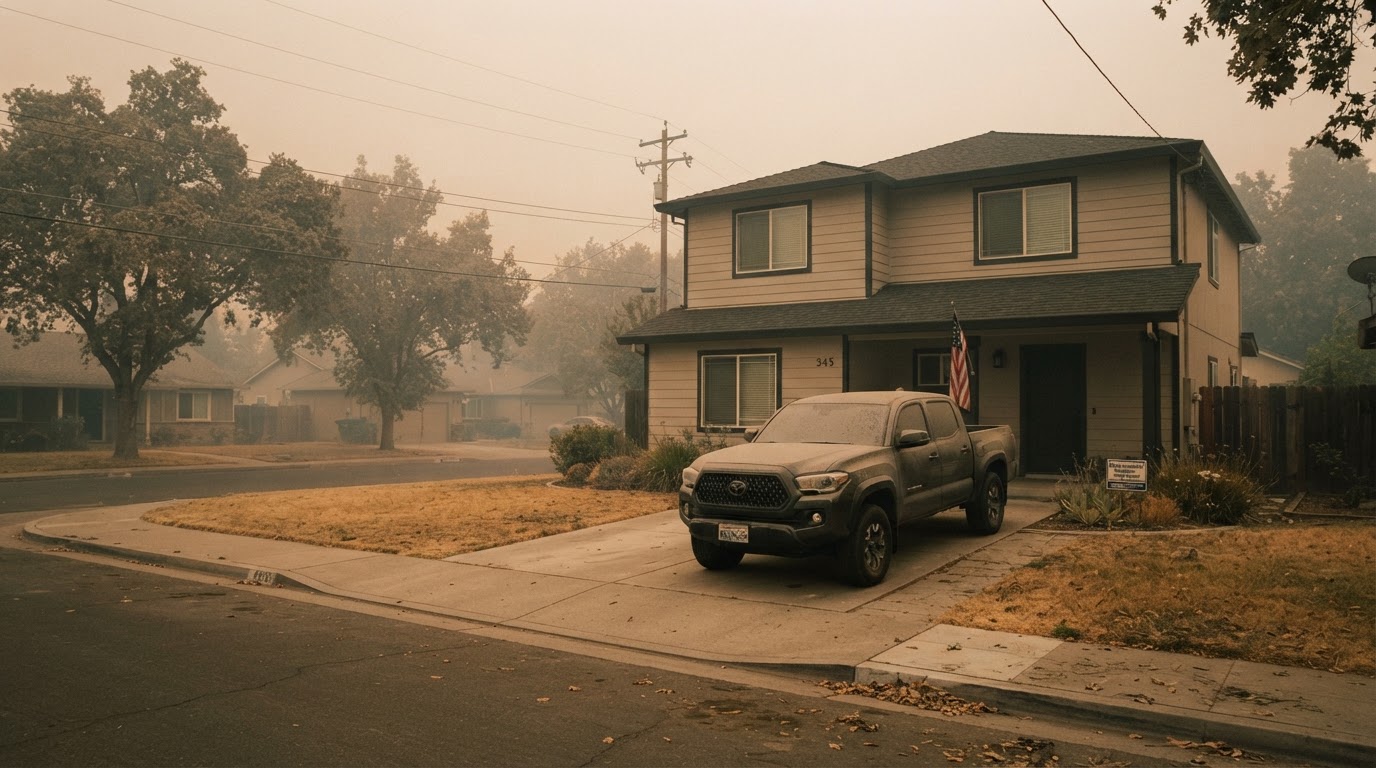 Wildfire Smoke & Air Quality: How to Protect Your HomeLearn how to protect your home and family from wildfire smoke with practical steps from FEMA, CDC, and EPA. From sealing your…Jun 21, 2026Read guide →
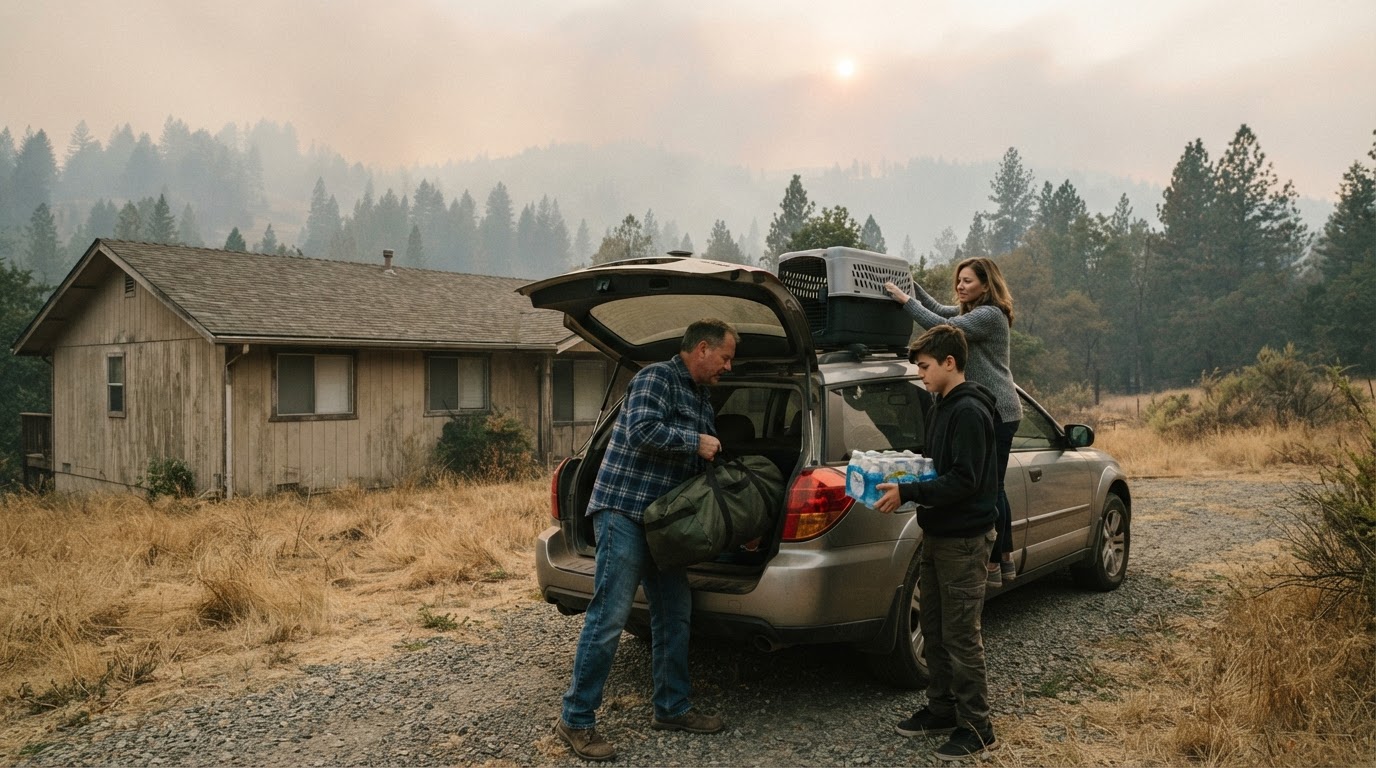 Wildfire Evacuation Prep in 60 Minutes: A Step-by-Step GuideWhen a wildfire threatens, you may have less than an hour to evacuate. Learn how to prepare a go-bag, safeguard your home, and…Jun 21, 2026Read guide →
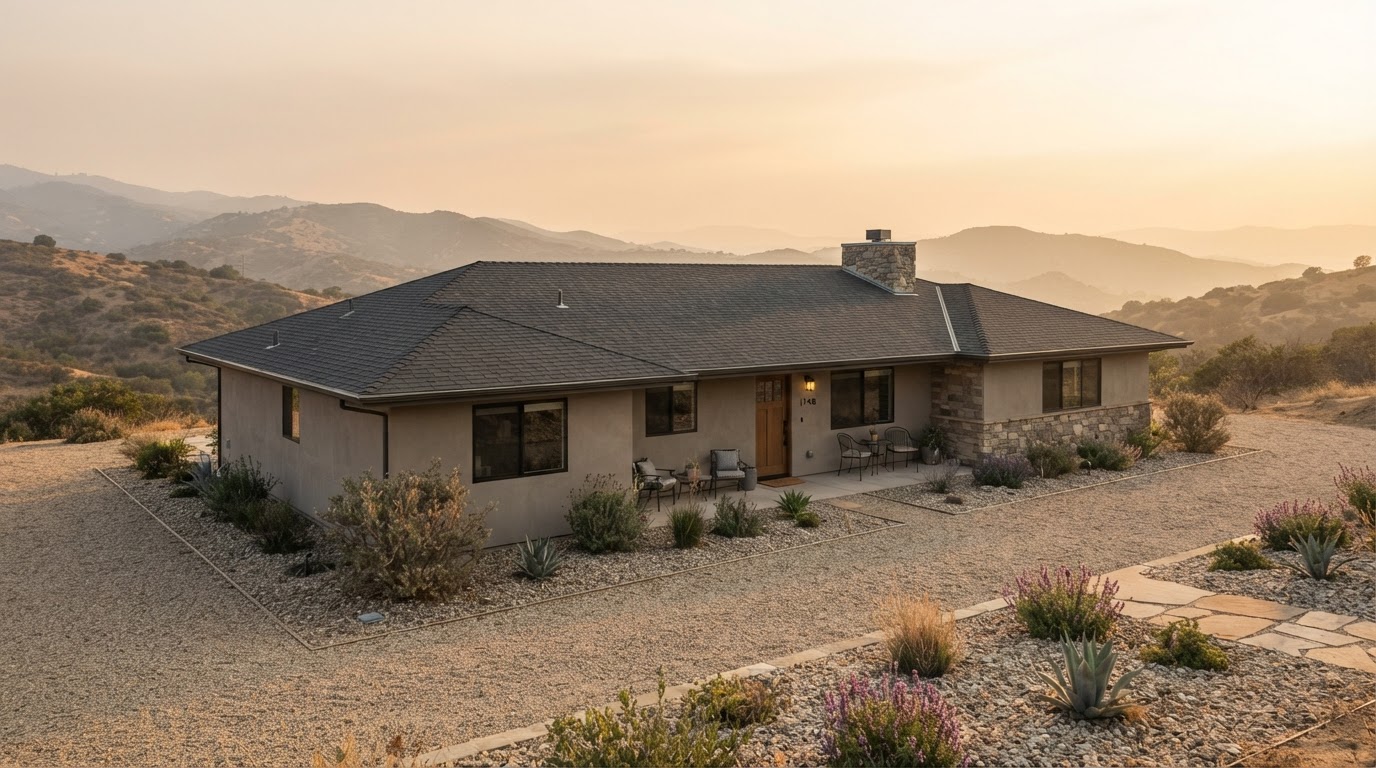 Wildfire Home Hardening: Roof, Vents, Gutters, and Deck ChecklistLearn how to harden your home against wildfire by focusing on four critical areas: roof, vents, gutters, and deck. This checklist…Jun 21, 2026Read guide →