
Local focus: Tornadoes
Winston-Salem, North Carolina home risk profile
Forsyth County · Statewide overall risk: Moderate
What this page is
Winston-Salem sits in Forsyth County, North Carolina. This is a local briefing: it names the hazard that usually matters most here (Tornadoes), then shows the statewide ratings North Carolina homeowners use to decide what official map to open. It is not a flood-zone letter or an insurance quote.
- Confirm the neighborhood with a ZIP lookup.
- Open Tornadoes in North Carolina.
- Verify the address on the official maps in the sidebar, then read a matching guide.
Winston-Salem lies in the Yadkin River valley of the North Carolina Piedmont, in a part of the state where tornadoes are a genuine, recurring threat rather than a freak occurrence. Spring storm systems rolling across the Piedmont regularly produce tornadoes in Forsyth County and the surrounding Triad, and the region's severe thunderstorms bring damaging straight-line winds and large hail with far greater frequency. The rolling terrain offers no shelter — tornadoes cross these hills routinely — and the metro's mature tree canopy turns wind events into widespread roof and power-line damage.
Late summer and fall add a tropical dimension: the remnants of Atlantic hurricanes push inland across the Piedmont, dropping flooding rains and occasionally spinning up tornadoes far from the coast. The city's older neighborhoods, with their mid-century homes and towering hardwoods, are particularly susceptible to tree-fall damage, while newer subdivisions on exposed ridgelines can take the full force of straight-line winds.
For homeowners, the practical routine is seasonal: trim trees and inspect the roof each spring before storm season, keep a weather radio or reliable alert system active from March through May, and know your lowest-floor interior safe spot. If your home sits near Muddy Creek or another tributary of the Yadkin, review your flood exposure with your insurer — tropical remnants have flooded Piedmont neighborhoods that had been dry for decades.
How to read the Winston-Salem snapshot
Winston-Salem is in Forsyth County, North Carolina. This page does not score individual streets. It tells you which statewide hazards matter most here, then points you to the official map for the address you care about.
The local focus is Tornadoes in North Carolina. Wind damage is usually covered; flood from the same storm often is not. Photograph the roof now, before hail or a tornado makes the “before” pictures impossible.
Highest statewide ratings that apply in Winston-Salem
- Hurricanes — Extreme. North Carolina faces some of the highest hurricane risk in the United States, with threats ranging from storm surge on…
- Flooding — Major. Flooding is one of North Carolina's most frequent and costly natural hazards, and it looks different across the state…
- Severe Storms — Major. Severe storms are a statewide hazard in North Carolina, rated 4 out of 5 for risk. Spring squall lines and summer…
What to do before you buy or renew in Winston-Salem
- Look up the ZIP on our ZIP tool so you land on this city or the North Carolina profile.
- Open the Tornadoes page and follow the official map links in the sidebar.
- Confirm preparedness guidance with North Carolina Emergency Management.
Other North Carolina city briefings: Charlotte, Durham, Fayetteville, Greensboro, Raleigh, Wilmington.
Hazard ratings for North Carolina
These are state-level scores used across Winston-Salem. Use them as a starting point, then verify your exact address with the official maps linked on each hazard page.
What the ratings mean
"MinimalMinorModerateMajorExtreme
Each rating is a statewide starting point, framed for a typical 30-year stay — the length of a standard mortgage. A neighborhood can look different from the state average. Always verify your address with official FEMA, NOAA or USGS maps.
Using the Winston-Salem profile
- Does Winston-Salem have its own hazard scores?
- No. Winston-Salem inherits North Carolina’s statewide ratings. Use this page to see which peril matters most locally (Tornadoes), then verify the exact address — two streets in Forsyth County can differ.
- What should I check first in Winston-Salem?
- Start with Tornadoes in North Carolina, then a ZIP lookup and the FEMA or USGS map that matches that hazard.
- Will homeowners insurance cover Tornadoes here?
- Wind damage is usually covered; flood from the same storm often is not. Photograph the roof now, before hail or a tornado makes the “before” pictures impossible.
Last updated: October 14, 2026. Ratings are state-wide estimates — always verify your specific address with official sources.
Guides for North Carolina homeowners
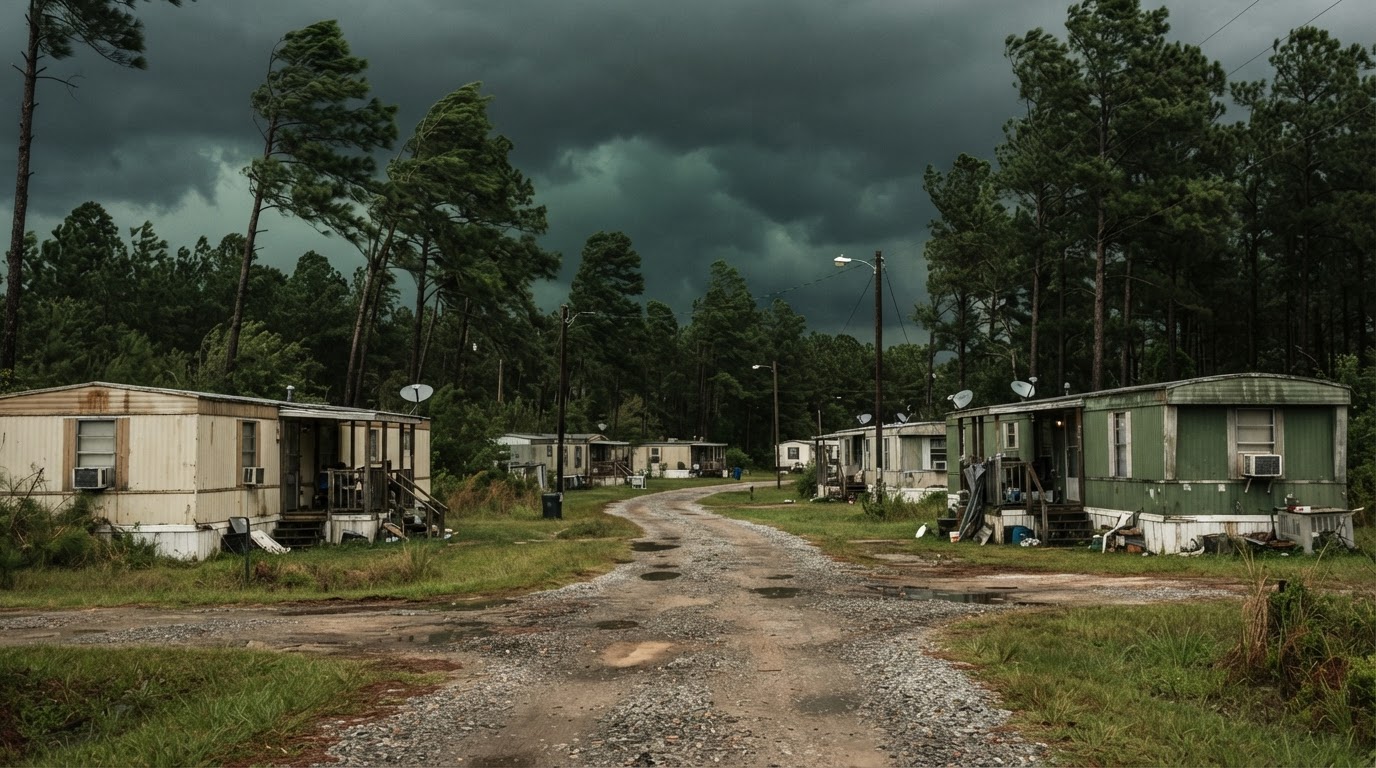 Mobile Home Tornado Safety: What Actually WorksMobile homes are particularly vulnerable to tornadoes. Learn the proven strategies that save lives, based on official guidance…Jun 21, 2026Read guide →
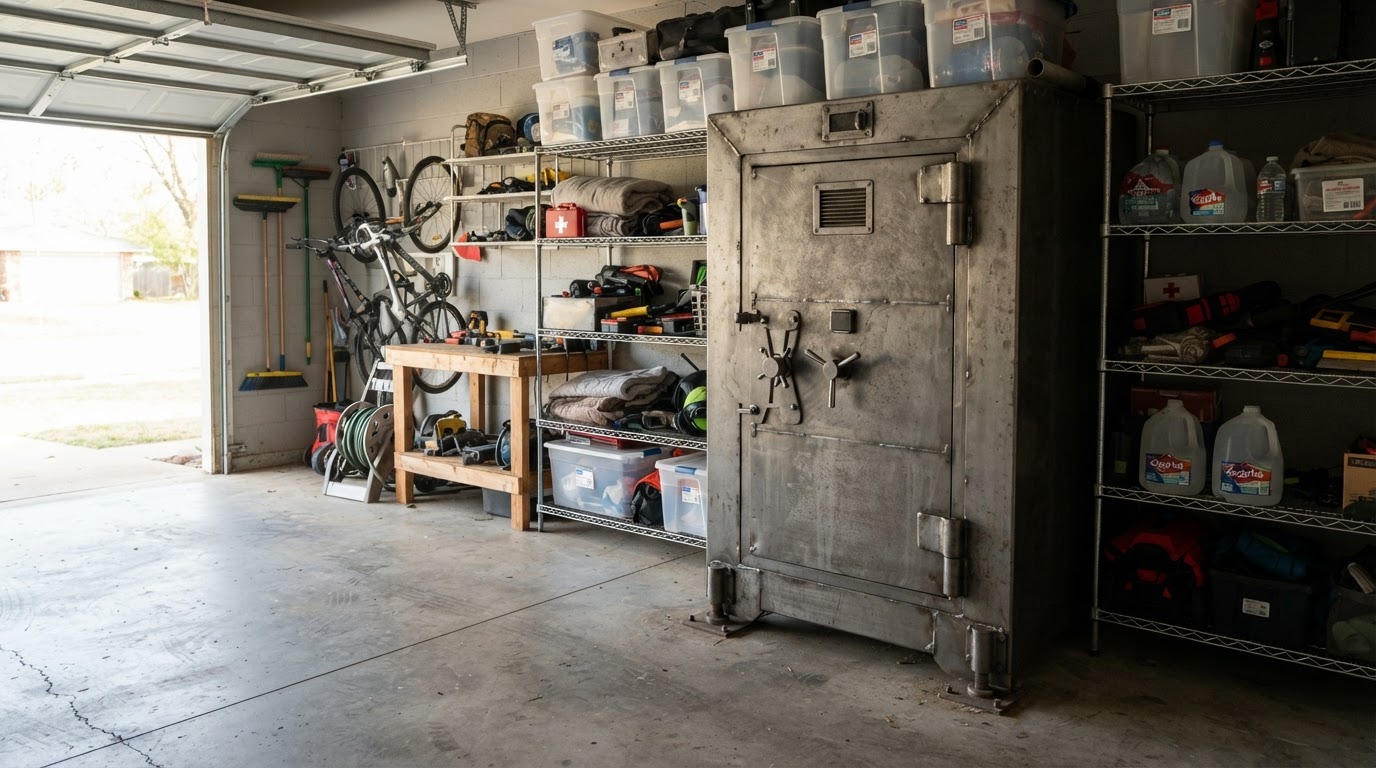 Tornado Safe Room vs Storm Shelter: Costs & Options for HomeownersLearn the key differences between tornado safe rooms and storm shelters, including costs, installation options, and FEMA…Jun 21, 2026Read guide →
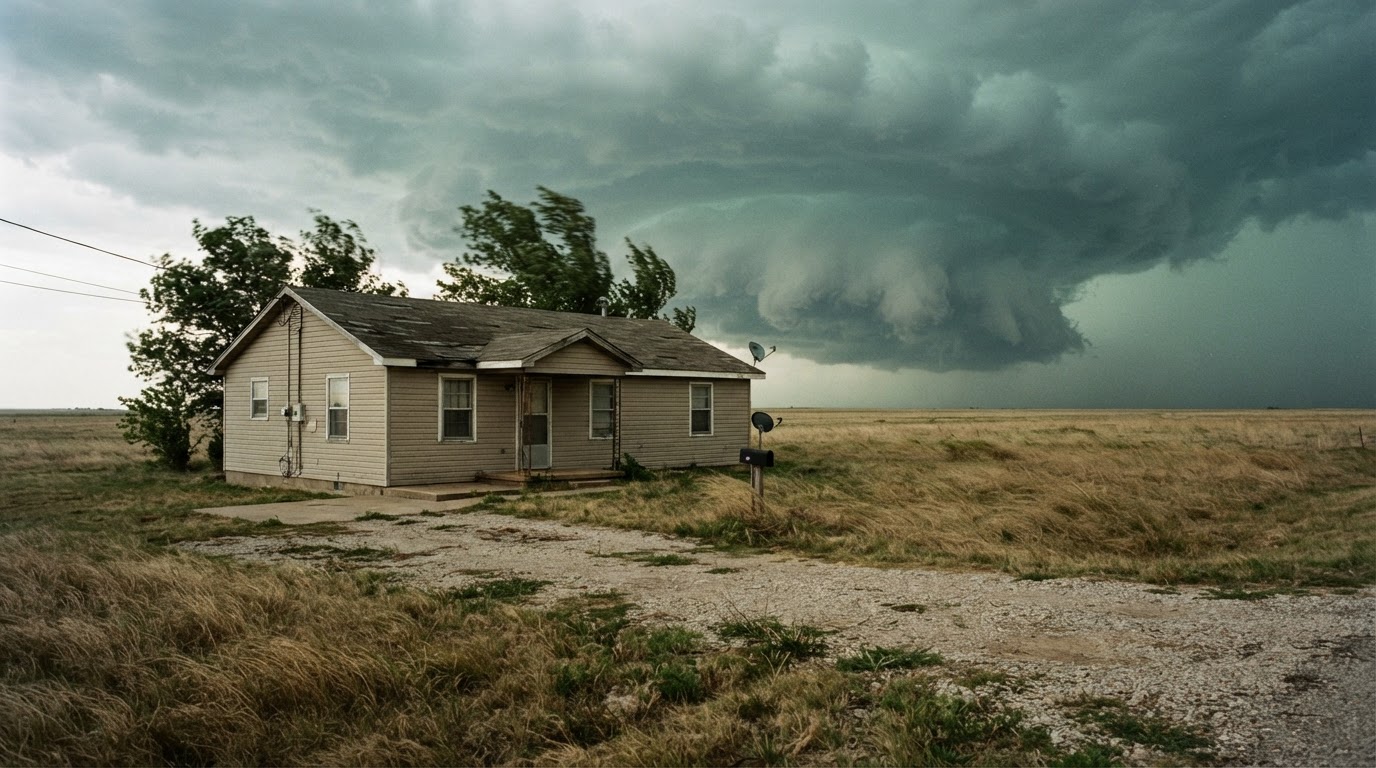 Safest Place in Your House During a Tornado by Home TypeWhere you take shelter during a tornado depends on your home type. Learn the safest locations for single-family homes,…Jun 21, 2026Read guide →