
🔥 Hazard category
Wildfires risk by state
Wildfires spread quickly through dry vegetation and increasingly threaten homes in the wildland-urban interface.
Wildfires spread quickly through dry vegetation and increasingly threaten homes in the wildland-urban interface.
How to prepare your home
- Create defensible space: clear flammable vegetation at least 30 feet around your home.
- Use fire-resistant roofing and ember-resistant vents.
- Keep gutters, roofs and decks free of leaves and debris.
- Plan multiple evacuation routes and prepare a go-bag.
- Follow local burn bans and red flag warnings.
Official sources
All states ranked by wildfires risk
Highest exposure first. Click a state for the full wildfires briefing and source links.
Arizona
Arizona's wildfire risk is a 5 out of 5 statewide, and if you own a home near the Mogollon Rim, the Santa…
California
California's wildfire risk is rated 5 out of 5, and if you live in the foothills or near chaparral, your…
Colorado
Colorado has the highest wildfire risk rating in the country, and it’s not just mountain towns — the…
Idaho
If you own a home in Idaho, wildfire is the risk you can't ignore — the state gets a 5 out of 5 from us.…
Montana
Montana faces a very high wildfire risk, rated level 5 out of 5, driven by extensive forests, dry summers,…
Nevada
Nevada is rated 5 of 5 for wildfire risk. The state's dry climate, expansive wildlands, and growing…
New Mexico
New Mexico is rated 5 out of 5 for wildfire risk, the highest level, with spring and early summer fire…
Oregon
Oregon is rated level 5 of 5 for wildfire risk, with the greatest danger in dry eastern and southern regions…
Utah
Utah is rated 5 out of 5 for wildfire risk, with dry fuels, drought, heat, wind, and lightning driving fires…
Wyoming
If you own a home in Wyoming, wildfire risk is something you need to take seriously. Here's what that means…
Alaska
Alaska's wildfire risk is rated 4 out of 5, and the places that burn are often the places where people are…
Texas
Texas has a level 4 out of 5 wildfire risk rating, with the greatest danger in the western, panhandle, and…
Washington
Washington faces a level 4 of 5 wildfire risk. Most of the state east of the Cascade crest is dry…
Florida
Florida isn't the first state people picture for wildfire, but the Panhandle, Big Bend, and north-central…
Hawaii
If you're buying a home in Hawaii, don't assume wildfire is only a Big Island problem. The state gets a level…
North Carolina
North Carolina has a moderate wildfire risk (level 3 of 5), with most fires occurring in spring and fall. The…
Oklahoma
Wildfire is a real and recurring hazard in Oklahoma, driven by cured grass, strong winds and low humidity.…
South Dakota
South Dakota's wildfire risk is concentrated in the Black Hills and across the state's grasslands, where dry,…
Alabama
Alabama's wildfire risk is moderate, but if you live near pine woods or in the Appalachian foothills, you…
Arkansas
Wildfire risk in Arkansas is low compared with the Mountain West, but it's not zero—the Ozarks and…
Georgia
Wildfire risk in Georgia is a 2 out of 5 statewide, lower than the Mountain West but not zero, especially in…
Kansas
In Kansas, wildfire is a real but often overlooked risk, especially where neighborhoods meet grass and brush.…
Maine
Maine is the most forested state in the country, and its wildfire risk is rated 2 out of 5 — lower than the…
Michigan
Michigan has a moderate wildfire risk (level 2 of 5), with most fires occurring in the northern forests and…
Minnesota
Wildfires in Minnesota are a moderate risk, with most activity in the northern forests and some grassland…
Mississippi
Mississippi has a relatively low wildfire risk (level 2 of 5), but wildfires still occur each year,…
Nebraska
Nebraska has a moderate wildfire risk, rated 2 out of 5, with most fires occurring in grasslands, the…
New Hampshire
Wildfire risk in New Hampshire is rated Level 2 out of 5, reflecting a moderate hazard compared to the most…
North Dakota
Wildfires in North Dakota are less frequent than in western states, but they still pose a risk to homes,…
South Carolina
South Carolina has a moderate wildfire risk (Level 2 of 5). Wildfires most often occur in late winter through…
Tennessee
Tennessee's wildfire risk is rated Level 2 out of 5 statewide, but the danger is concentrated in East…
Virginia
Wildfires in Virginia are less frequent and intense than in western states, but the state still experiences…
West Virginia
West Virginia has a moderate wildfire risk, rated level 2 of 5 by the National Risk Index. The state's…
Connecticut
Connecticut wildfires are rare, but a dry spring in Litchfield County can still send a brush fire toward your…
Delaware
Wildfire risk in Delaware is low statewide, but dry springs and pine woods in Sussex and Kent counties still…
District of Columbia
Wildfire risk for homes in District of Columbia is rated level 1 of 5, which is low. But low doesn't mean…
Illinois
Illinois has a low wildfire risk overall, rated level 1 of 5, but southern counties near the Shawnee National…
Indiana
Indiana's wildfire risk is low — a level 1 out of 5 — but it's not zero, especially in the forested hills…
Iowa
Iowa's wildfire risk is low compared to the West, but dry springs and falls still spark grass and field fires…
Kentucky
If you're buying a home in Kentucky, the statewide wildfire risk is low, but the eastern hills and…
Louisiana
Wildfire risk in Louisiana is low overall - level 1 out of 5 - but that doesn't mean zero, especially in the…
Maryland
Maryland is rated Level 1 out of 5 for wildfire risk, the lowest level, but wildfires still occur in the…
Massachusetts
Wildfires in Massachusetts are relatively infrequent compared to western states, but they can occur during…
Missouri
Missouri has a relatively low wildfire risk, rated Level 1 out of 5, but wildfires do occur, primarily as…
New Jersey
New Jersey has a relatively low wildfire risk (Level 1 out of 5), but wildfires do occur, especially in the…
New York
Wildfire risk in New York is low compared with the West, but the state still sees brush, grass and forest…
Ohio
Wildfires in Ohio are relatively uncommon compared to western states, but the state still experiences brush…
Pennsylvania
Pennsylvania is rated 1 out of 5 for wildfire risk, a low national ranking driven by humid summers, hardwood…
Rhode Island
Rhode Island's wildfire risk is rated 1 out of 5 statewide, which is low compared with many Western states.…
Vermont
Vermont has a relatively low wildfire risk compared to many other states, but wildfires do occur, most often…
Wisconsin
Wisconsin has a relatively low wildfire risk, rated level 1 out of 5, but wildfires can occur in northern…
Official maps for wildfires
About these rankings
- Which states have the highest wildfires risk?
- Arizona currently ranks at the top of this list (Very High). Rankings are statewide averages — a county can sit well above or below that score.
- Does homeowners insurance cover wildfires?
- Fire is usually covered, but in high-risk ZIP codes the hard part is keeping a policy at all. Mitigation (defensible space, roof, vents) can matter as much as the premium.
- How should I use this ranking?
- Find your state, open the state × hazard page, then verify the address on the official maps linked there. This page is a comparison tool, not a determination.
Last updated: June 12, 2026. Rankings are state-wide estimates based on public hazard data (FEMA, NOAA, USGS) — always verify your specific address with official sources.
Related guides
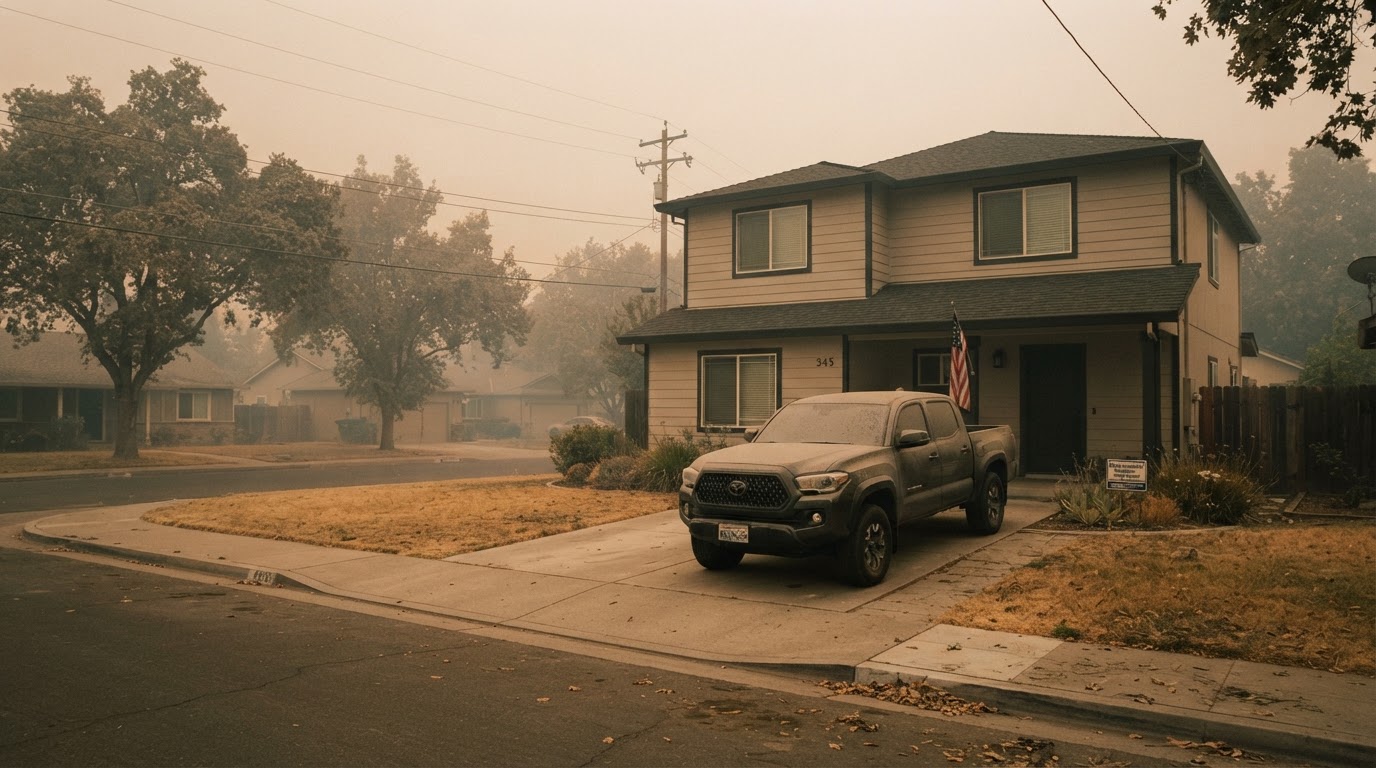 Wildfire Smoke & Air Quality: How to Protect Your HomeLearn how to protect your home and family from wildfire smoke with practical steps from FEMA, CDC, and EPA. From sealing your…Jun 21, 2026Read guide →
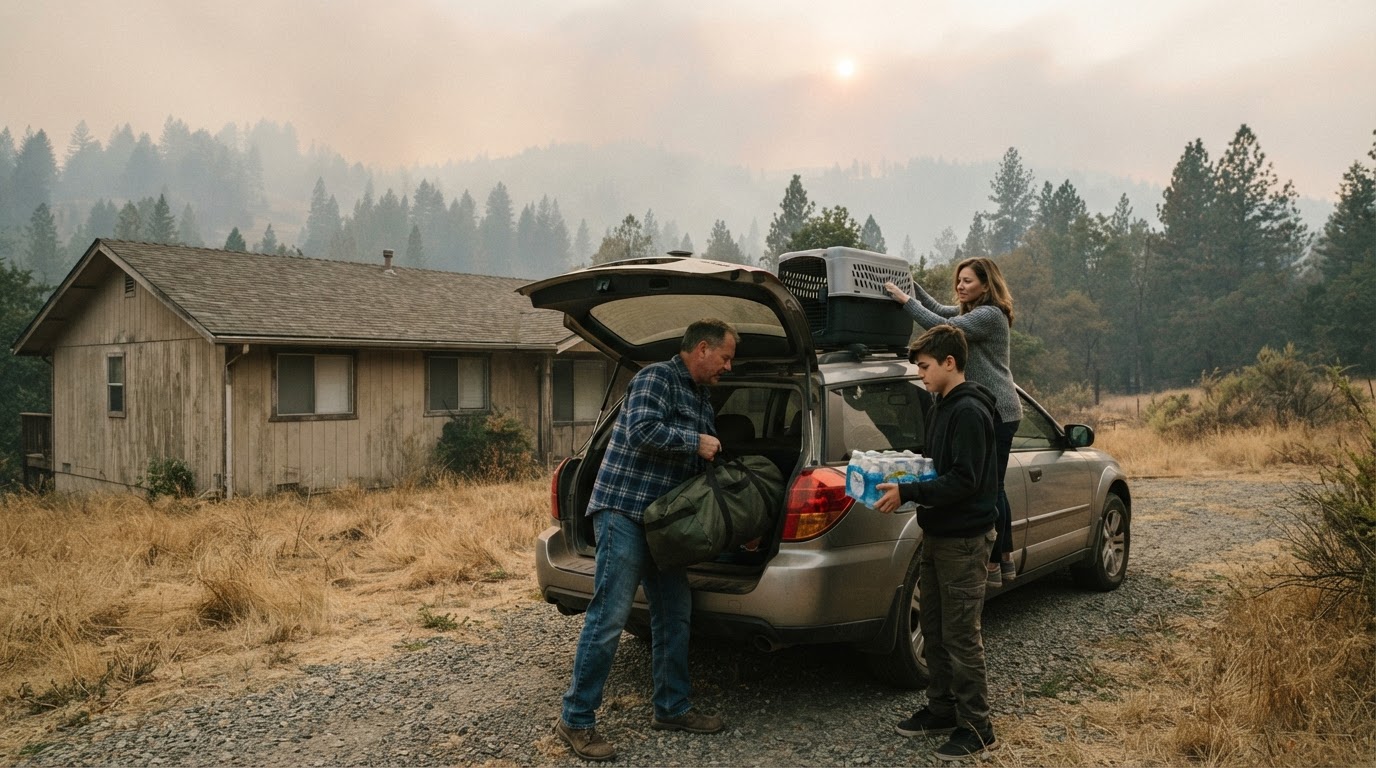 Wildfire Evacuation Prep in 60 Minutes: A Step-by-Step GuideWhen a wildfire threatens, you may have less than an hour to evacuate. Learn how to prepare a go-bag, safeguard your home, and…Jun 21, 2026Read guide →
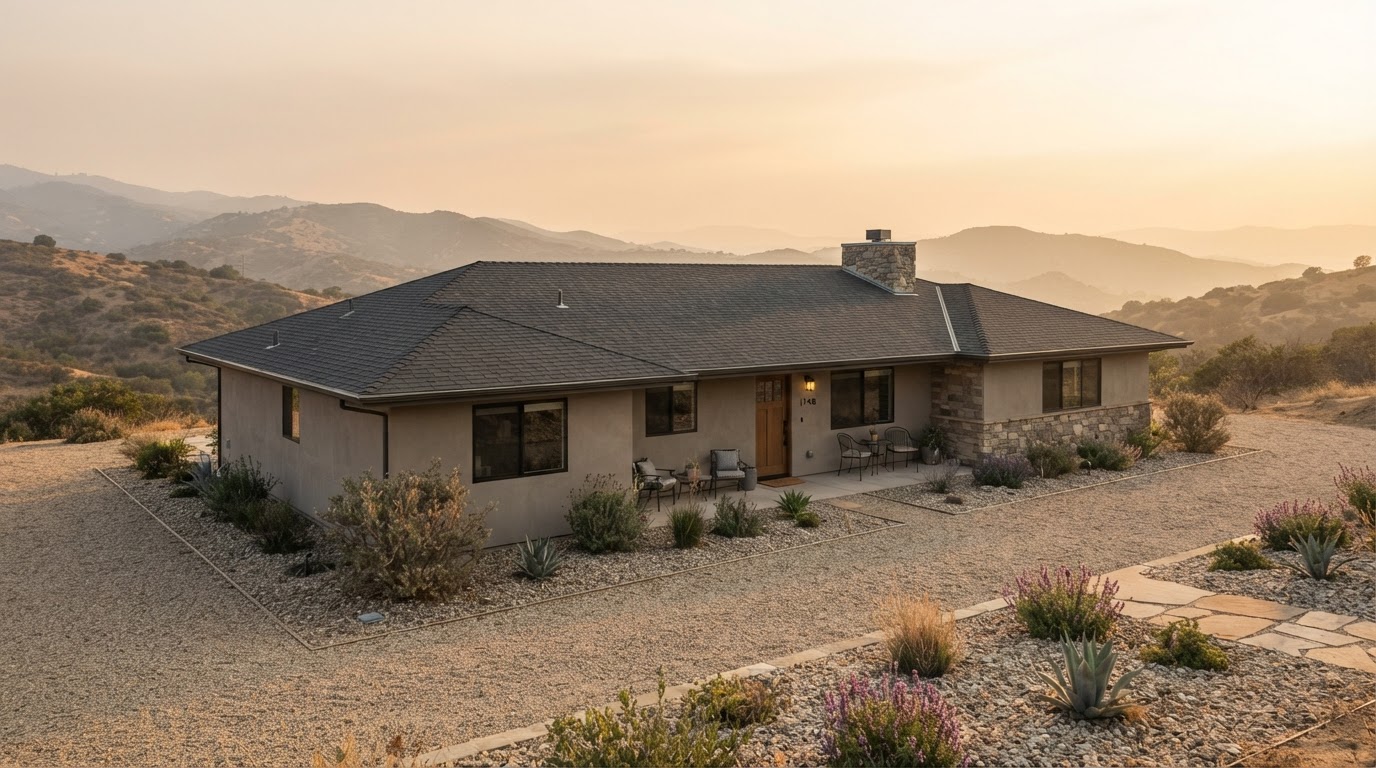 Wildfire Home Hardening: Roof, Vents, Gutters, and Deck ChecklistLearn how to harden your home against wildfire by focusing on four critical areas: roof, vents, gutters, and deck. This checklist…Jun 21, 2026Read guide →