
Local focus: Winter Storms
Green Bay, Wisconsin home risk profile
Brown County · Statewide overall risk: Minor
What this page is
Green Bay sits in Brown County, Wisconsin. This is a local briefing: it names the hazard that usually matters most here (Winter Storms), then shows the statewide ratings Wisconsin homeowners use to decide what official map to open. It is not a flood-zone letter or an insurance quote.
- Confirm the neighborhood with a ZIP lookup.
- Open Winter Storms in Wisconsin.
- Verify the address on the official maps in the sidebar, then read a matching guide.
Green Bay sits at the southern tip of the bay that gives the city its name, on the western shore of Lake Michigan, and winter defines the homeowner's calendar. Lake-effect snow, Arctic cold, and ice storms arrive each year, and the season's deep freezes can last for weeks — the kind of cold that finds every uninsulated pipe and drafty window in Brown County.
The Fox River runs through the city to the bay, and while the river is controlled, the combination of heavy snow, freeze-thaw cycles, and spring ice breakup keeps waterfront and low-lying neighborhoods alert each March. Much of Green Bay's housing is postwar — sturdy but now aging — with furnaces, roofs, and insulation that in many cases are due for renewal.
Green Bay homeowners should treat furnace maintenance and pipe insulation as non-negotiable, keep attics ventilated to prevent ice dams, and plan for the physical reality of long winters — reliable snow removal and a roof that can carry heavy snow loads. In a city where winter is a five-month project, the prepared house is the comfortable one.
How to read the Green Bay snapshot
Green Bay is in Brown County, Wisconsin. This page does not score individual streets. It tells you which statewide hazards matter most here, then points you to the official map for the address you care about.
The local focus is Winter Storms in Wisconsin. Weight of ice and snow is often covered; flood from a burst pipe or ice jam may need extra coverage. Frozen-pipe exclusions show up when heat was off.
Highest statewide ratings that apply in Green Bay
- Winter Storms — Extreme. Winter storms are a major hazard in Wisconsin, bringing heavy snow, ice, blizzards, and dangerous cold from late fall…
- Severe Storms — Major. Severe storms in Wisconsin can produce damaging winds, large hail, lightning, and tornadoes, especially from spring…
- Flooding — Moderate. Flooding is a common and costly natural hazard in Wisconsin, driven by spring snowmelt, ice jams, summer thunderstorms,…
What to do before you buy or renew in Green Bay
- Look up the ZIP on our ZIP tool so you land on this city or the Wisconsin profile.
- Open the Winter Storms page and follow the official map links in the sidebar.
- Confirm preparedness guidance with Wisconsin Emergency Management.
Hazard ratings for Wisconsin
These are state-level scores used across Green Bay. Use them as a starting point, then verify your exact address with the official maps linked on each hazard page.
What the ratings mean
"MinimalMinorModerateMajorExtreme
Each rating is a statewide starting point, framed for a typical 30-year stay — the length of a standard mortgage. A neighborhood can look different from the state average. Always verify your address with official FEMA, NOAA or USGS maps.
Using the Green Bay profile
- Does Green Bay have its own hazard scores?
- No. Green Bay inherits Wisconsin’s statewide ratings. Use this page to see which peril matters most locally (Winter Storms), then verify the exact address — two streets in Brown County can differ.
- What should I check first in Green Bay?
- Start with Winter Storms in Wisconsin, then a ZIP lookup and the FEMA or USGS map that matches that hazard.
- Will homeowners insurance cover Winter Storms here?
- Weight of ice and snow is often covered; flood from a burst pipe or ice jam may need extra coverage. Frozen-pipe exclusions show up when heat was off.
Last updated: October 14, 2026. Ratings are state-wide estimates — always verify your specific address with official sources.
Guides for Wisconsin homeowners
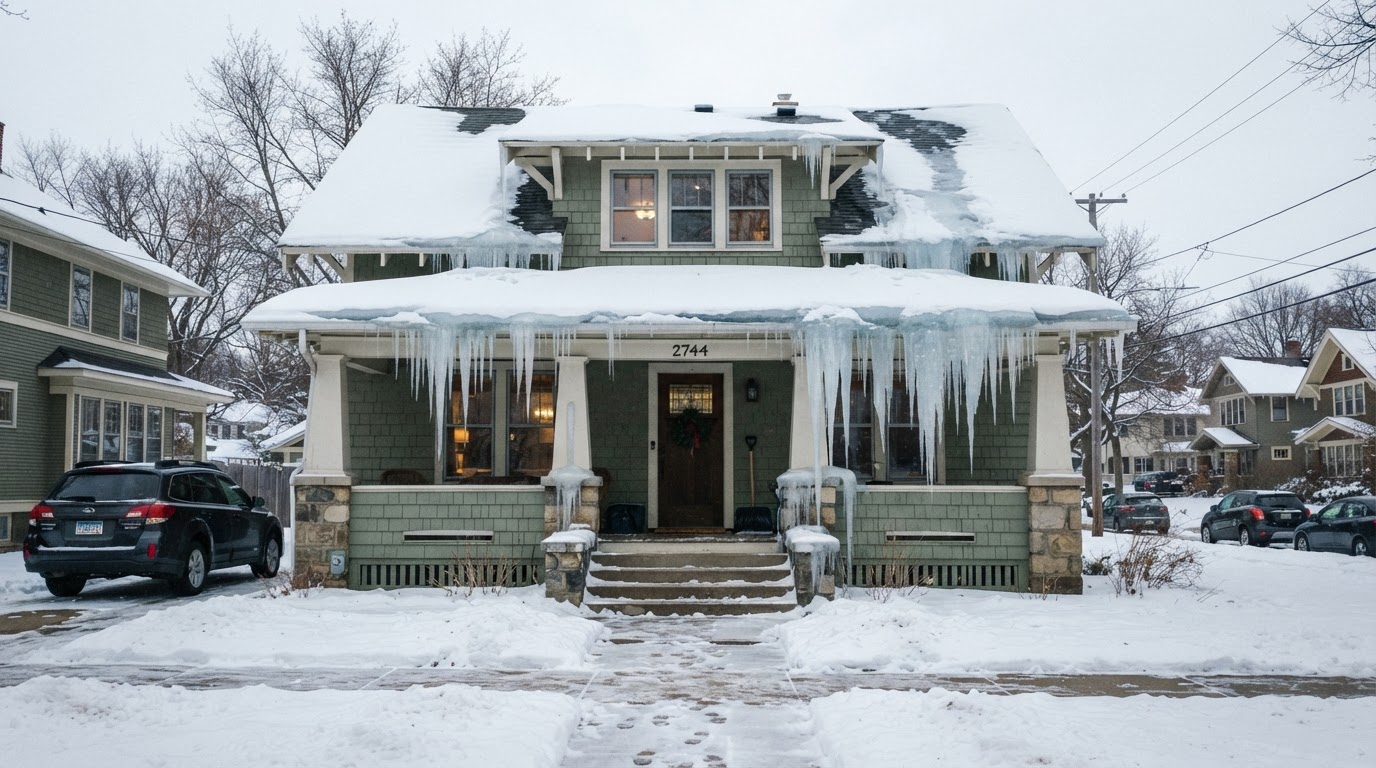 Stop Ice Dams: Essential Prevention Tips for Your RoofIce dams can cause costly damage to your home. Learn how to prevent them with proper insulation, ventilation, and smart home…Jun 21, 2026Read guide →
 Safe Backup Heating for Winter Power Outages: Expert TipsLearn how to stay warm safely during a winter power outage with backup heating options recommended by FEMA, Ready.gov, and the…Jun 21, 2026Read guide →
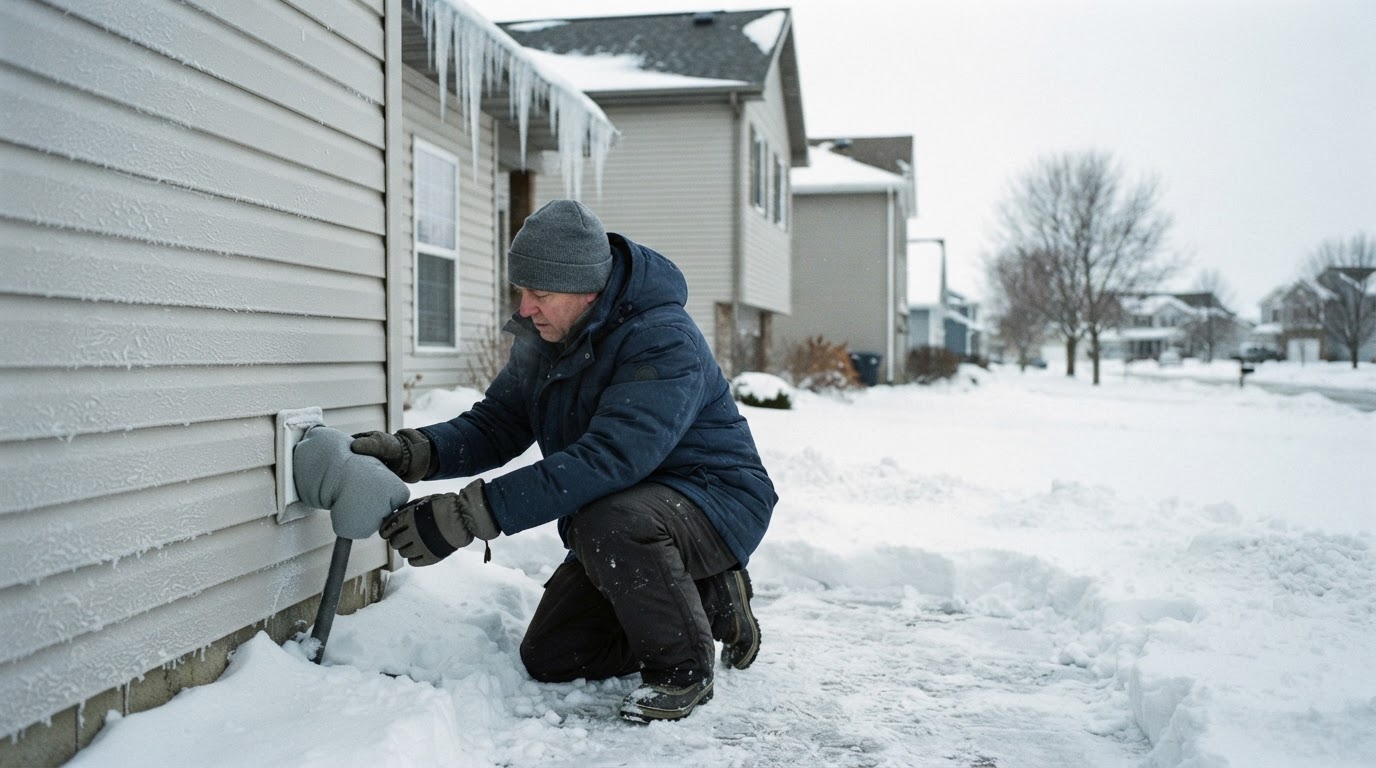 Prevent Frozen and Burst Pipes This WinterFrozen pipes can burst and cause costly water damage. Learn practical steps from FEMA and Ready.gov to protect your home before,…Jun 21, 2026Read guide →