
Does Homeowners Insurance Cover Hurricane Damage After Isaias?
5 min read
On this page
Hurricane wind damage is usually covered by homeowners insurance — flood damage almost never is. Here's how to file, document and appeal a hurricane claim.
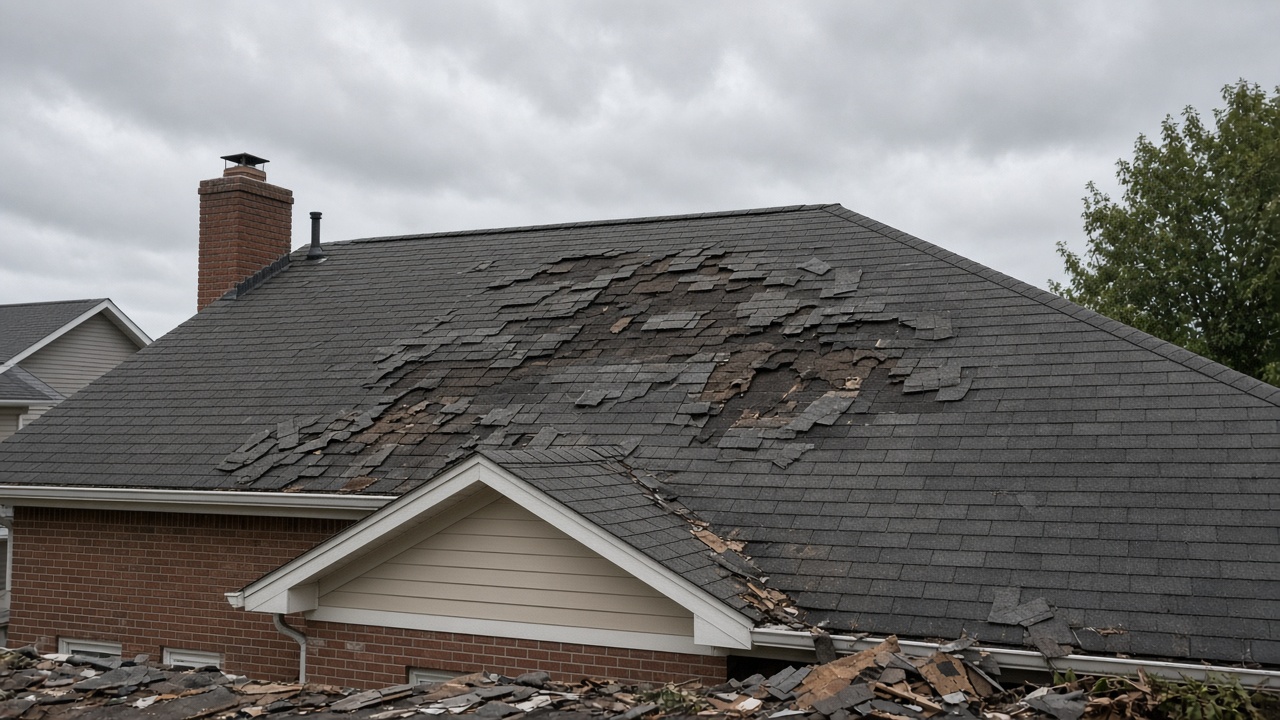
When Hurricane Isaias came ashore in North Carolina in August 2020 and raced up the East Coast, it left a trail of torn-off shingles, downed trees, flooded basements and multi-day power outages. For thousands of homeowners, the first question was simple: will my insurance pay for this?
The answer depends far less on the storm's name than on what actually damaged your house. Here is how standard homeowners insurance treats hurricane damage, and what to do if you are still working through a claim.
Wind damage: usually covered
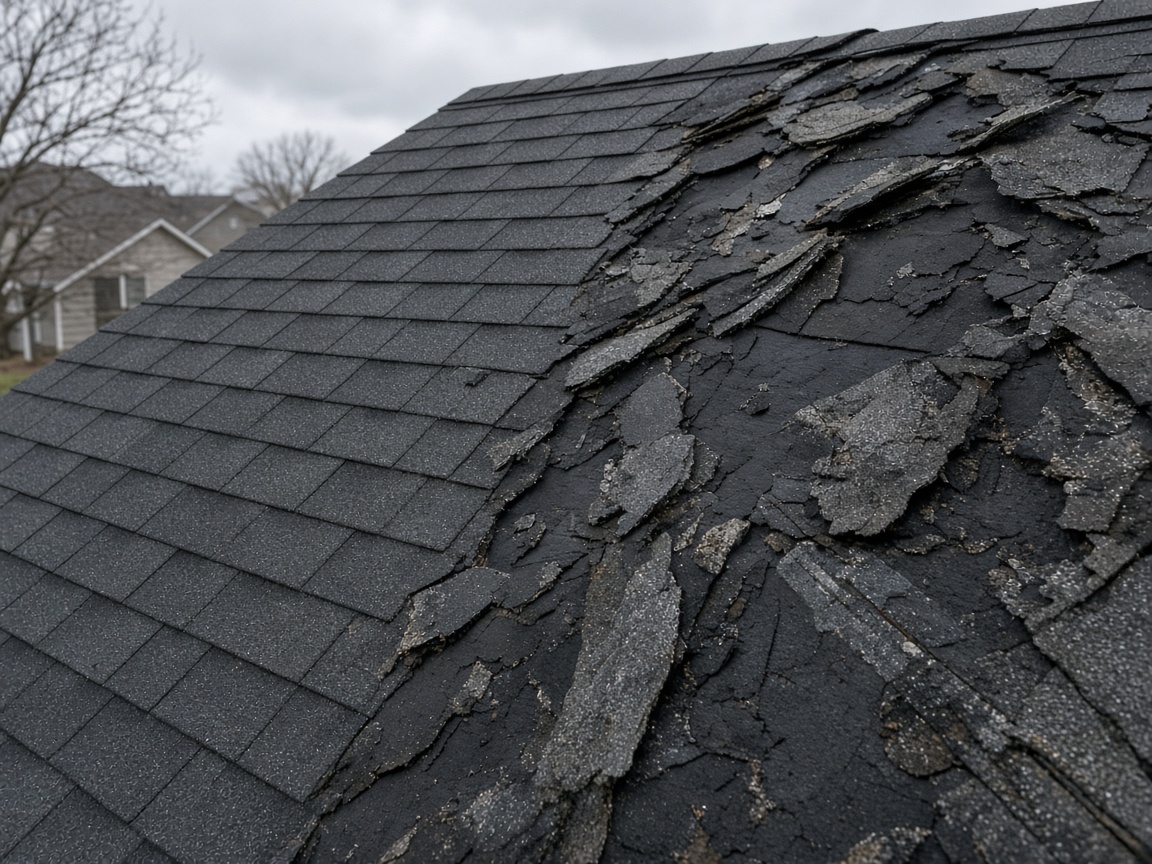
Standard homeowners policies generally cover damage caused by wind, including hurricane-force winds. Typical covered losses include:
- Missing or torn shingles, damaged roof decking and the leaks that follow
- Broken windows, damaged siding, gutters and soffits
- Damage from a falling tree or limb — even if the tree stood on a neighbor's property
- Wind-driven rain that enters through an opening the storm created, such as a broken window or a lifted roof covering
- Interior damage that results from a covered loss
Most policies also include Additional Living Expenses (ALE), which can help pay for a hotel, rental or extra meal costs if your home is too damaged to live in. Check your policy's ALE limit before assuming it will cover months of displacement.
Flood damage: almost never covered
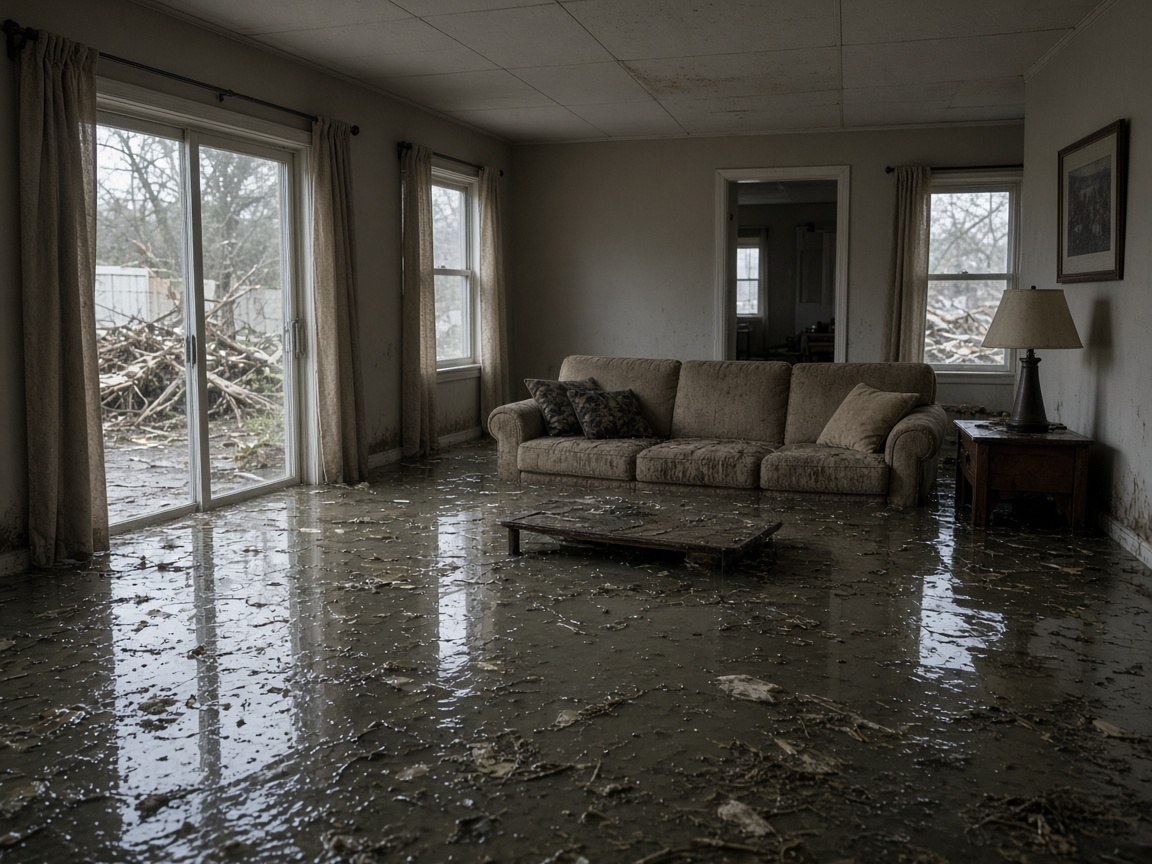
Flood — storm surge, tidal overflow, rising creeks and rivers, and surface water that reaches your house — is excluded from virtually every standard homeowners policy. You need a separate policy, most often through the National Flood Insurance Program (NFIP) or a private flood insurer.
Two facts worth knowing about NFIP policies: they generally have a 30-day waiting period before coverage starts (with limited exceptions, such as some loan closings), and standard coverage limits are $250,000 for the building and $100,000 for contents. If you are rebuilding in a flood-prone area, ask an agent whether those limits are enough.
Do not overlook your hurricane deductible
Many policies in coastal and hurricane-prone states include a separate hurricane or named-storm deductible that is triggered when the National Weather Service names the storm. Instead of your usual flat deductible, you pay a percentage of your dwelling coverage — often in the low single digits, and higher in some coastal areas. On a home insured for $300,000, a 2% deductible means $6,000 out of pocket before insurance pays anything.
Read your declarations page for the exact amount and trigger, and ask your agent to confirm in writing whether the deductible is charged once per storm or once per season. This is the single most common surprise in post-hurricane claims.
Wind-driven rain versus rising water
Many hurricane claim disputes come down to one question: did the water come in from the top (rain pushed through a storm-created opening) or from the ground (flood)? The first is usually covered; the second usually is not.
Your best defense is documentation. Take timestamped photos before you clean anything up, note visible water lines, and keep any written opinions from a licensed contractor. Do not discard damaged materials until your adjuster has seen them or you have photographed them thoroughly.
What to do after hurricane damage
- Make the area safe. Stay away from downed power lines and damaged gas lines, and report them to your utility. Never run a generator indoors or in a garage.
- Prevent further damage. Tarp the roof, board up windows and move belongings off wet floors. Most policies expect reasonable steps like these and often reimburse the cost — keep every receipt.
- Photograph and inventory everything. Shoot wide shots and close-ups of each damaged room, and list damaged items with approximate age and value.
- Notify your insurer promptly. Policies require prompt notice of a loss. Ask for your claim number, your adjuster's direct contact and a copy of your declarations page.
- Keep a claim log. Write down the date, time and substance of every call, email and visit, and keep copies of everything you send.
- Get written repair estimates from licensed contractors, and be wary of anyone who shows up uninvited and asks you to sign over your claim benefits.
- Read the adjuster's report carefully. Compare it line by line with your photos and estimates. Missing items are common.
How FEMA assistance fits in
If the President issues a major disaster declaration, FEMA's Individual Assistance program may help with temporary housing, basic home repair and other needs. FEMA aid is not a replacement for insurance, and FEMA generally cannot pay for losses your insurance already covers. You apply at DisasterAssistance.gov or by calling 1-800-621-3362, typically within 60 days of the declaration. Low-interest disaster loans from the Small Business Administration are also available to homeowners for uninsured losses.
If your claim is denied or underpaid
- Ask for the denial in writing, with the specific policy language the insurer relied on.
- Request a re-inspection and submit your contractor's written estimate.
- Contact your state department of insurance. Most states offer a free consumer complaint process and can review how your claim was handled.
- Report suspected post-disaster fraud to your state insurance regulator and to FEMA's fraud hotline.
Cleanup safety matters as much as the check
- Carbon monoxide: never use a generator, camp stove or charcoal grill indoors, in a garage, or near a window or vent.
- Mold: dry out soaked materials within 24 to 48 hours when possible. Wear gloves, eye protection and an N95 respirator when handling debris.
- Roof and tree work: falls and chainsaw injuries are a leading cause of post-storm injuries. Hire licensed professionals for anything above ground level.
- Floodwater: assume it is contaminated and avoid contact where you can. Wash hands thoroughly afterward.
For official guidance, see Ready.gov, the CDC, OSHA, and storm data from the National Hurricane Center.
The bottom line
If wind, wind-driven rain or a falling tree damaged your home during Isaias or any other named storm, your homeowners policy most likely covers it — minus your hurricane deductible. If rising water or storm surge caused the damage, you need flood insurance, and standard homeowners coverage will not help.
File promptly, document everything with photos and receipts, keep a written claim log, and do not accept a low settlement without asking questions. If the process stalls, your state insurance department is a free and often effective next step.
About our guidance
Our guides are grounded in publicly available information from official sources such as FEMA, NOAA, USGS and Ready.gov. Information is general in nature — always verify details for your specific property and policy with official sources and your insurer.
Related guides
 InsuranceLender-Placed Flood Insurance: The Expensive Backup If Your Policy LapsesYour lender can force-place flood insurance if your policy lapses — and bill you for it, usually at a higher price. Here is how…Oct 15, 2026Read guide →
 InsuranceWhat Happens to Your NFIP Policy If Congress Lets the Program LapseCongress extended the NFIP through December 11, 2026. If the program lapses, existing policies stay in force and claims get paid…Oct 15, 2026Read guide →
 InsuranceExcess Flood Insurance: Coverage Above NFIP's $250,000 LimitThe NFIP caps flood coverage at $250,000 for the building and $100,000 for contents. If your home would cost more to rebuild,…Oct 15, 2026Read guide →