
Midwest region · MN
Minnesota home risk profile
Overall home hazard risk: Minor
How to use this profile
- Scan the hazard list. Anything rated Major or Extreme is the next page to open.
- Read the insurance note — flood and earthquake are usually separate policies.
- Look up your ZIP, then confirm the address on the official maps linked from each hazard page.
You're flying into Minneapolis on a Thursday, closing on a house in Rochester on Friday, and your lender wants a flood certification by noon. Welcome to Minnesota home risk. The biggest thing you'll face here isn't a hurricane or an earthquake. It's winter. The state's emergency management team rates winter storms at 5 out of 5 and severe storms at 4 out of 5. That pair drives most of the insurance claims, roof repairs, and basement pump-outs you'll hear about from neighbors.
Winter storms in Minnesota aren't just snow days. They bring ice dams, frozen pipes, and power outages that can last for days. Severe storms pack hail, straight-line winds, and heavy rain. Those can strip shingles off a roof in minutes. In many counties, the ground freezes deep, so spring meltwater has nowhere to go but into your foundation. Check the grading, the downspouts, and the sump pump before you unpack.
The Minnesota Homeland Security and Emergency Management office is the best starting point for county-specific plans and alerts. Also pull the FEMA flood map for your address, even if you're not in a mapped floodplain. Flooding is a real risk here, and standard homeowners policies typically don't cover it. Ask your agent what separate flood coverage would cost. If you're near a river or a stormwater pond, that answer matters more than the paint color.
Tornadoes happen mostly from spring through summer. Wildfires, extreme heat, drought, and landslides are lower, but you still want a plan for the first week. If you have limited time and money before closing, I'd spend it on a roof inspection and a basement water test — not new furniture. Then bookmark the state agency, save your county's emergency alert signup, and buy a weather radio. Minnesota is a great place to own a home. Just don't treat winter like a surprise.
Risk levels in Minnesota
Statewide scores, highest first. A neighborhood can look different from the state average — use these to decide which official map to open.
What the ratings mean
"MinimalMinorModerateMajorExtreme
Each rating is a statewide starting point, framed for a typical 30-year stay — the length of a standard mortgage. A neighborhood can look different from the state average. Always verify your address with official FEMA, NOAA or USGS maps.
Questions about Minnesota
- What is the overall home-hazard rating in Minnesota?
- Minnesota scores Minor overall on our statewide scale. That average can hide one severe local peril — open the highest-rated hazard pages and then verify your address.
- Does a standard homeowners policy cover the main risks in Minnesota?
- Weight of ice and snow is often covered; flood from a burst pipe or ice jam may need extra coverage. Frozen-pipe exclusions show up when heat was off.
- How should I use this Minnesota page?
- Treat it as a briefing, not a determination. Check the hazard list, open the pages rated Major or Extreme, then confirm the parcel on FEMA, NOAA or USGS maps and with Minnesota Homeland Security and Emergency Management.
Last updated: October 8, 2026. Risk levels are state-wide estimates based on public hazard data (FEMA, NOAA, USGS) — always verify your specific address with official sources.
Guides to read with this profile
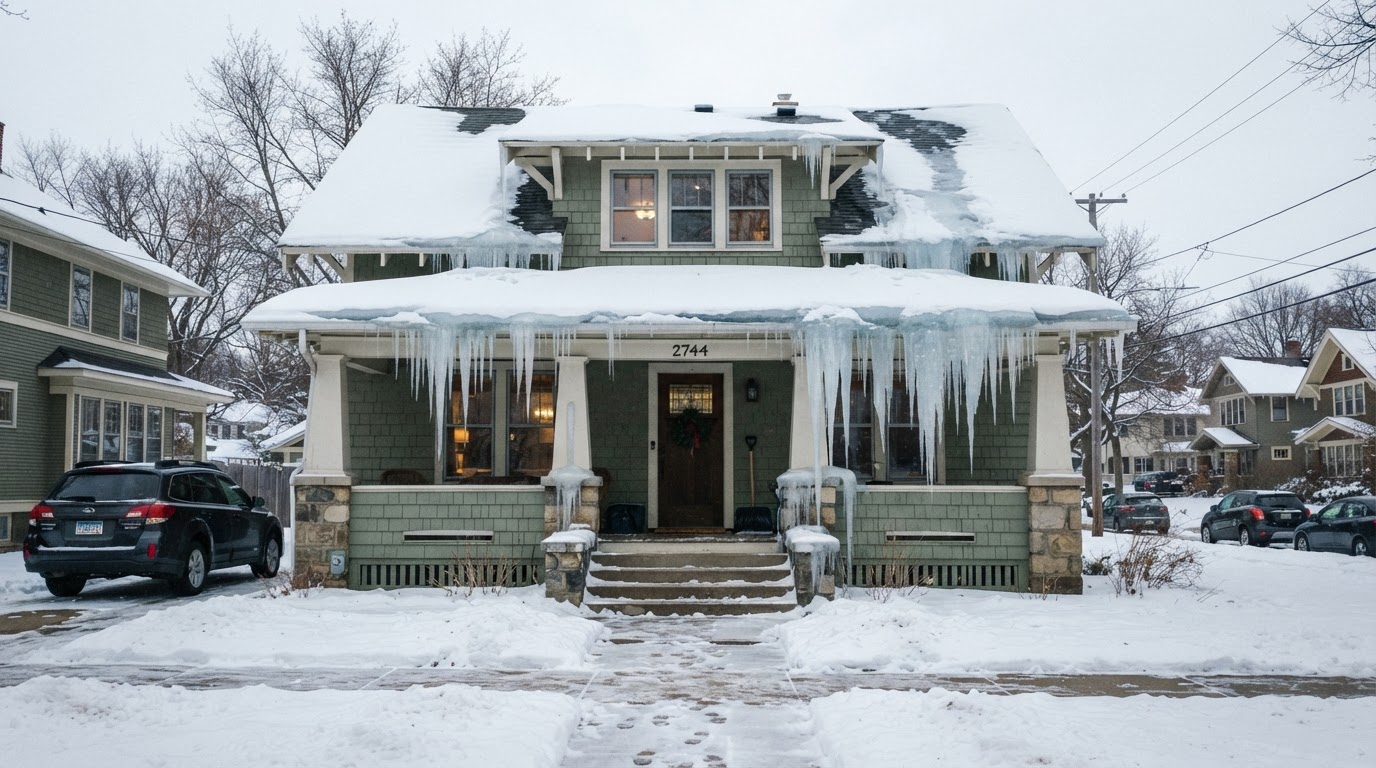 Stop Ice Dams: Essential Prevention Tips for Your RoofIce dams can cause costly damage to your home. Learn how to prevent them with proper insulation, ventilation, and smart home…Jun 21, 2026Read guide →
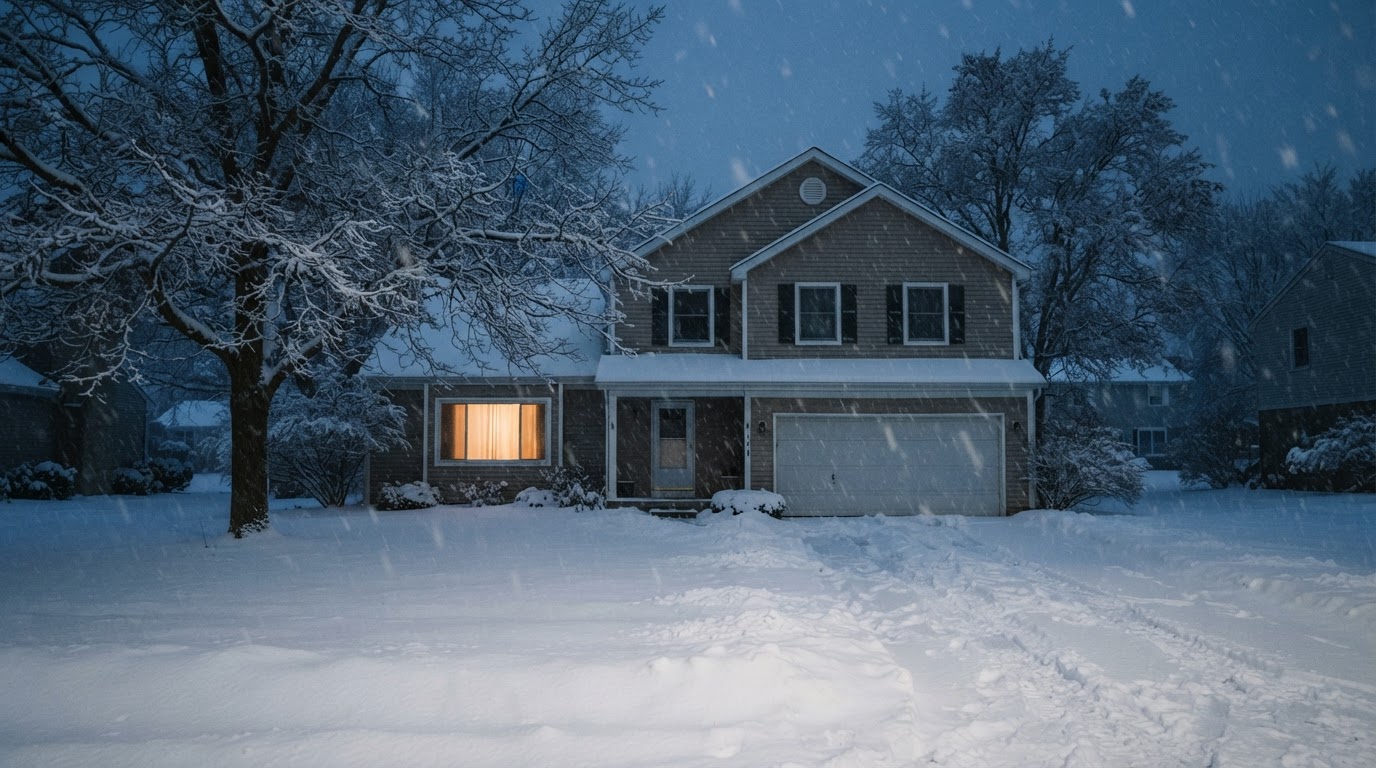 Safe Backup Heating for Winter Power Outages: Expert TipsLearn how to stay warm safely during a winter power outage with backup heating options recommended by FEMA, Ready.gov, and the…Jun 21, 2026Read guide →
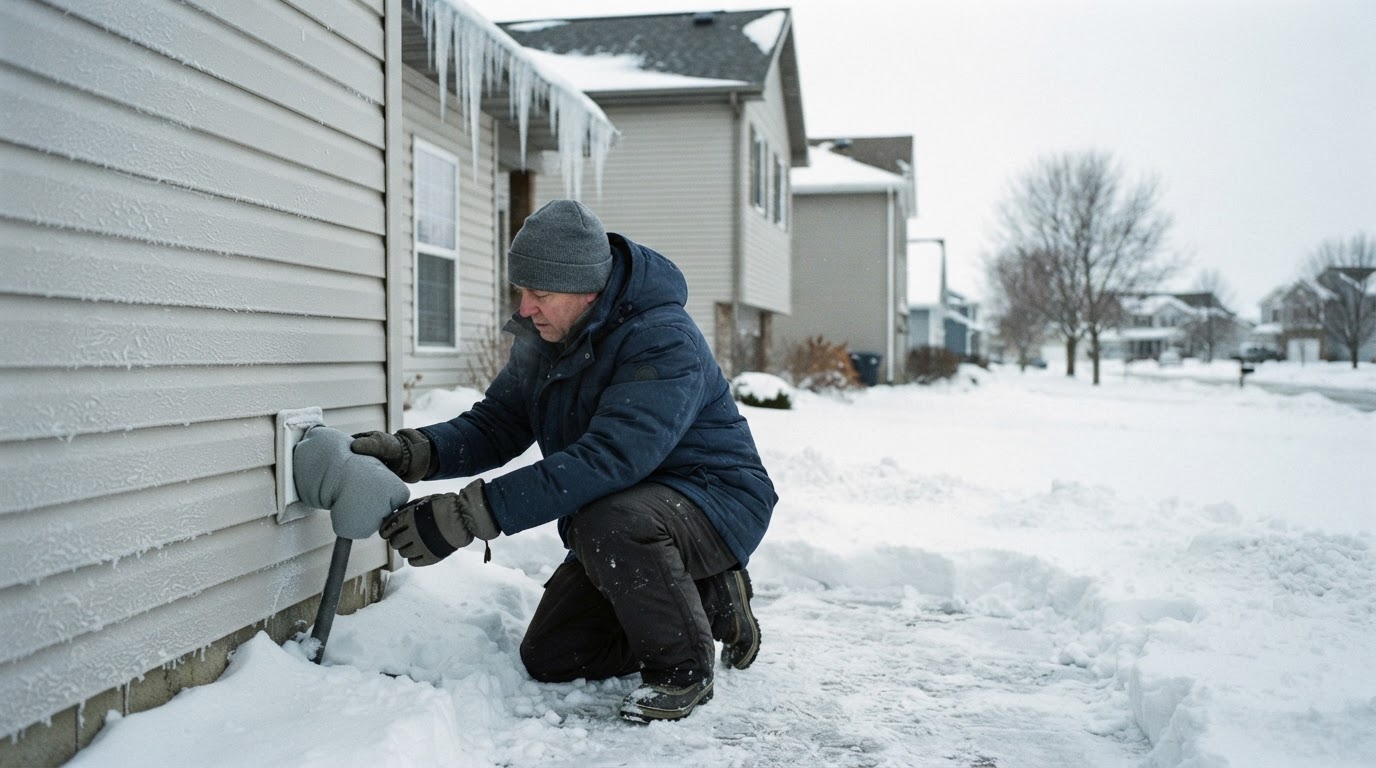 Prevent Frozen and Burst Pipes This WinterFrozen pipes can burst and cause costly water damage. Learn practical steps from FEMA and Ready.gov to protect your home before,…Jun 21, 2026Read guide →