
Local focus: Earthquakes
Bellevue, Washington home risk profile
King County · Statewide overall risk: Moderate
What this page is
Bellevue sits in King County, Washington. This is a local briefing: it names the hazard that usually matters most here (Earthquakes), then shows the statewide ratings Washington homeowners use to decide what official map to open. It is not a flood-zone letter or an insurance quote.
- Confirm the neighborhood with a ZIP lookup.
- Open Earthquakes in Washington.
- Verify the address on the official maps in the sidebar, then read a matching guide.
Bellevue grew from a suburb into the Eastside's downtown, all of it inside the Seattle fault zone's reach. The Seattle Fault runs beneath southern Bellevue, capable of a shallow, damaging earthquake directly under the city, and the Cascadia subduction zone offshore threatens the entire Puget Sound region with a far larger rupture. The 2001 Nisqually quake shook Bellevue's towers and older neighborhoods alike, a moderate reminder of the forces at work beneath one of the wealthiest zip codes in the West.
Bellevue's hazard profile is shaped by its terrain and its density. Hillside neighborhoods like Somerset and the slopes above Lake Washington face landslide risk during strong shaking, while low-lying areas near the lake and Mercer Slough sit on soft soils prone to liquefaction. The city's forest of high-rises and its tech-campus sprawl concentrate a huge daytime population in buildings that must perform in a major quake. Modern towers are engineered for it, but the disruption to the region's economy would be enormous.
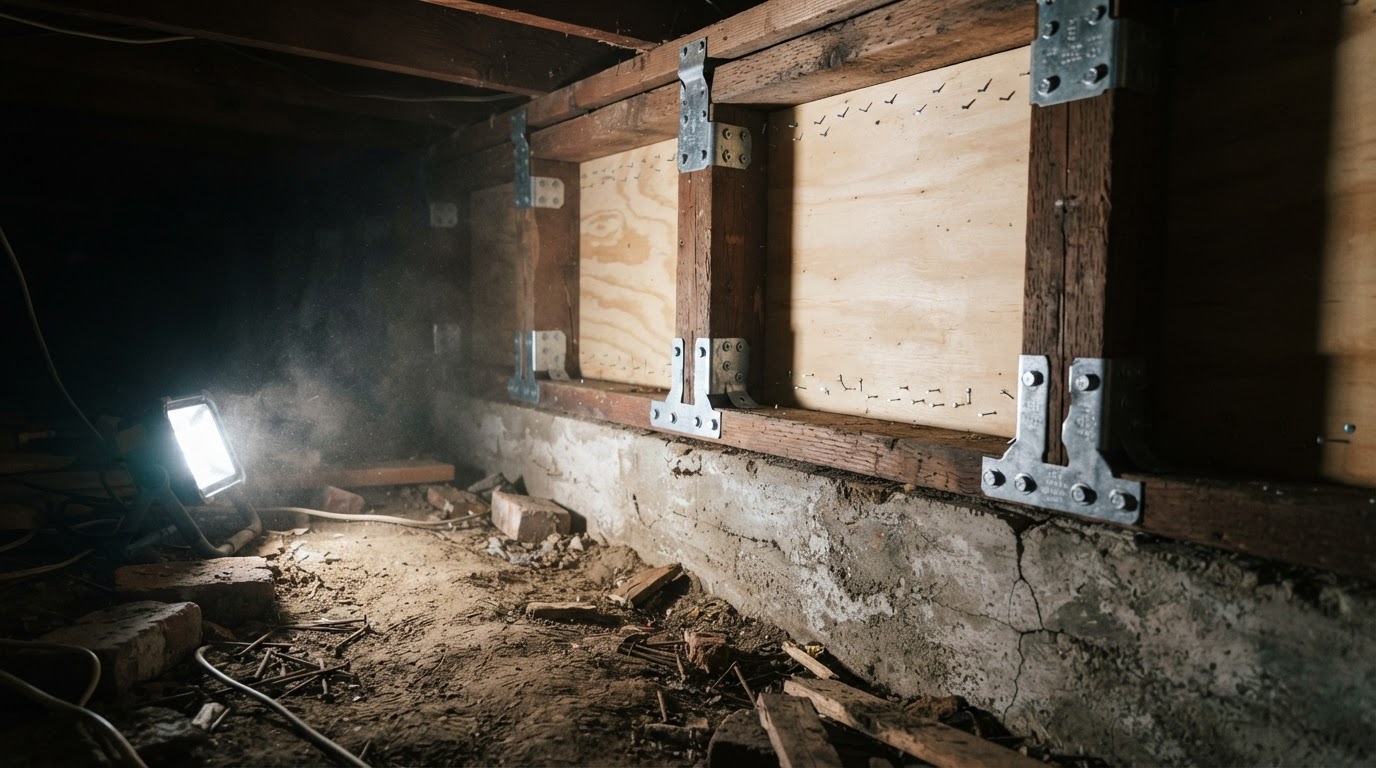
Homeowners should focus on the house, not the skyline: retrofit older Eastside homes with foundation bolting and bracing, secure water heaters and tall furniture, and know that hillside lots need a geotechnical eye for landslide risk. Keep two weeks of emergency supplies, since a Cascadia event could sever the bridges and lifelines connecting the Eastside to Seattle. When buying, ask about the home's seismic retrofit history, check slope-stability and liquefaction maps for the lot, and carry earthquake insurance, because a standard policy excludes it.
How to read the Bellevue snapshot
Bellevue is in King County, Washington. This page does not score individual streets. It tells you which statewide hazards matter most here, then points you to the official map for the address you care about.
The local focus is Earthquakes in Washington. Earthquake damage is typically excluded from a standard homeowners policy. Coverage is a separate policy or endorsement.
Highest statewide ratings that apply in Bellevue
- Earthquakes — Extreme. Washington is rated 5 of 5 for earthquake risk, with threats from the Cascadia subduction zone, shallow crustal faults,…
- Flooding — Major. Washington faces a high risk of flooding (level 4 of 5) due to its diverse geography, including coastal areas, river…
- Wildfires — Major. Washington faces a level 4 of 5 wildfire risk. Most of the state east of the Cascade crest is dry shrub-steppe,…
What to do before you buy or renew in Bellevue
- Look up the ZIP on our ZIP tool so you land on this city or the Washington profile.
- Open the Earthquakes page and follow the official map links in the sidebar.
- Confirm preparedness guidance with Washington Emergency Management Division.
Other Washington city briefings: Seattle, Spokane, Tacoma, Vancouver.
Hazard ratings for Washington
These are state-level scores used across Bellevue. Use them as a starting point, then verify your exact address with the official maps linked on each hazard page.
What the ratings mean
"MinimalMinorModerateMajorExtreme
Each rating is a statewide starting point, framed for a typical 30-year stay — the length of a standard mortgage. A neighborhood can look different from the state average. Always verify your address with official FEMA, NOAA or USGS maps.
Using the Bellevue profile
- Does Bellevue have its own hazard scores?
- No. Bellevue inherits Washington’s statewide ratings. Use this page to see which peril matters most locally (Earthquakes), then verify the exact address — two streets in King County can differ.
- What should I check first in Bellevue?
- Start with Earthquakes in Washington, then a ZIP lookup and the FEMA or USGS map that matches that hazard.
- Will homeowners insurance cover Earthquakes here?
- Earthquake damage is typically excluded from a standard homeowners policy. Coverage is a separate policy or endorsement.
Last updated: October 14, 2026. Ratings are state-wide estimates — always verify your specific address with official sources.
Guides for Washington homeowners
 Cripple Wall Retrofit: Strengthen Your Home's Earthquake DefensesLearn how a cripple wall retrofit can prevent your older home from collapsing in an earthquake. Understand the basics, why it…Jun 21, 2026Read guide →
 How to Strap Your Water Heater for Earthquake SafetyLearn why securing your water heater is critical after an earthquake and get step-by-step instructions to strap it properly,…Jun 21, 2026Read guide →
 Earthquake Drills for Kids and Seniors: Drop, Cover, Hold OnLearn how to practice 'Drop, Cover, and Hold On' with children and older adults. This guide provides step-by-step drills,…Jun 21, 2026Read guide →