
Local focus: Extreme Heat
Laredo, Texas home risk profile
Webb County · Statewide overall risk: Major
What this page is
Laredo sits in Webb County, Texas. This is a local briefing: it names the hazard that usually matters most here (Extreme Heat), then shows the statewide ratings Texas homeowners use to decide what official map to open. It is not a flood-zone letter or an insurance quote.
- Confirm the neighborhood with a ZIP lookup.
- Open Extreme Heat in Texas.
- Verify the address on the official maps in the sidebar, then read a matching guide.
Laredo sits on the Rio Grande in deep South Texas, where the defining hazard is not wind or water but relentless, punishing heat. Summer temperatures routinely climb past 100 degrees and stay there for weeks, with heat indices higher still — and the season keeps lengthening, starting earlier in spring and lingering into fall. For homeowners, extreme heat is not an abstract climate statistic; it is the force that ages roofs prematurely, runs air conditioners to failure, and turns a power outage into a medical emergency within hours.
The heat shapes every part of homeownership here. Roofs bake under intense sun year after year, shortening shingle life well below rated expectations; air conditioning is life-safety equipment, and an aging unit that fails in August is a crisis, not an inconvenience. The Rio Grande brings a secondary hazard: intense tropical moisture and monsoon-like downpours can send the river and its tributary creeks rising fast, and Laredo's flat terrain and intense cloudbursts produce dangerous flash flooding in low-lying streets and colonias.
Homeowners should budget for heat as a maintenance cost: service the air conditioner before summer, consider reflective roofing and attic insulation upgrades, and keep a plan for outages — battery backups, a cool room, and water stored ahead of heat waves. Check whether your property sits in a low drainage path for flash-flood exposure, and never underestimate a South Texas summer: the heat here damages homes slowly and people quickly.
How to read the Laredo snapshot
Laredo is in Webb County, Texas. This page does not score individual streets. It tells you which statewide hazards matter most here, then points you to the official map for the address you care about.
The local focus is Extreme Heat in Texas. Heat rarely pays a property claim. The practical costs are cooling, medical risk and power-outage food loss — plan for those, not a check from the insurer.
Highest statewide ratings that apply in Laredo
- Flooding — Extreme. Flooding is one of Texas's most frequent and costly natural hazards, and FEMA's National Risk Index places the state at…
- Tornadoes — Extreme. Texas records more tornadoes than any other state, with the greatest exposure in the Panhandle, the Red River Valley,…
- Extreme Heat — Extreme. Extreme heat is a serious and widespread hazard in Texas, affecting all regions and posing risks to health, homes, and…
What to do before you buy or renew in Laredo
- Look up the ZIP on our ZIP tool so you land on this city or the Texas profile.
- Open the Extreme Heat page and follow the official map links in the sidebar.
- Confirm preparedness guidance with Texas Division of Emergency Management.
Other Texas city briefings: Arlington, Austin, Corpus Christi, Dallas, El Paso, Fort Worth.
Hazard ratings for Texas
These are state-level scores used across Laredo. Use them as a starting point, then verify your exact address with the official maps linked on each hazard page.
What the ratings mean
"MinimalMinorModerateMajorExtreme
Each rating is a statewide starting point, framed for a typical 30-year stay — the length of a standard mortgage. A neighborhood can look different from the state average. Always verify your address with official FEMA, NOAA or USGS maps.
Using the Laredo profile
- Does Laredo have its own hazard scores?
- No. Laredo inherits Texas’s statewide ratings. Use this page to see which peril matters most locally (Extreme Heat), then verify the exact address — two streets in Webb County can differ.
- What should I check first in Laredo?
- Start with Extreme Heat in Texas, then a ZIP lookup and the FEMA or USGS map that matches that hazard.
- Will homeowners insurance cover Extreme Heat here?
- Heat rarely pays a property claim. The practical costs are cooling, medical risk and power-outage food loss — plan for those, not a check from the insurer.
Last updated: October 14, 2026. Ratings are state-wide estimates — always verify your specific address with official sources.
Guides for Texas homeowners
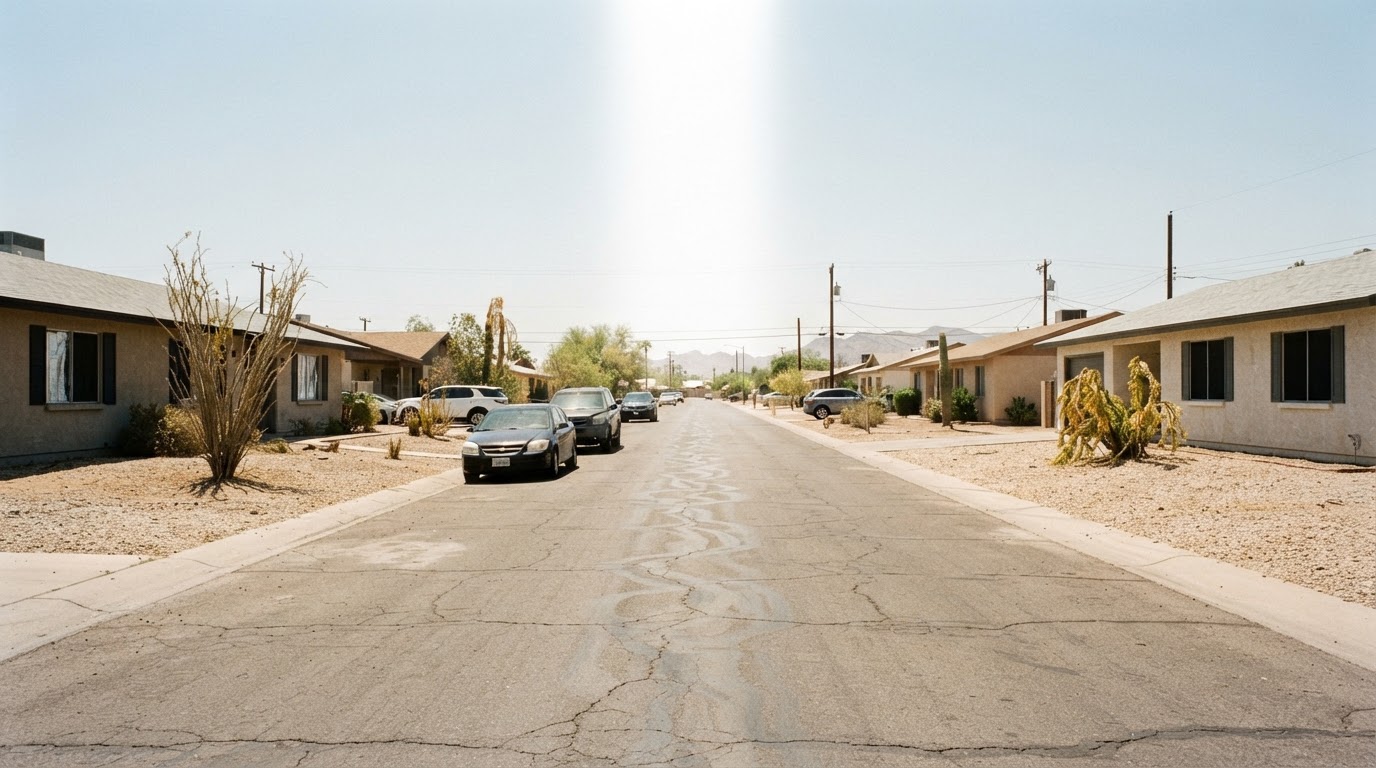 Heat Illness Warning Signs Every Homeowner and Parent Should KnowLearn to recognize the warning signs of heat exhaustion and heat stroke, and discover essential prevention tips for your home and…Jun 21, 2026Read guide →
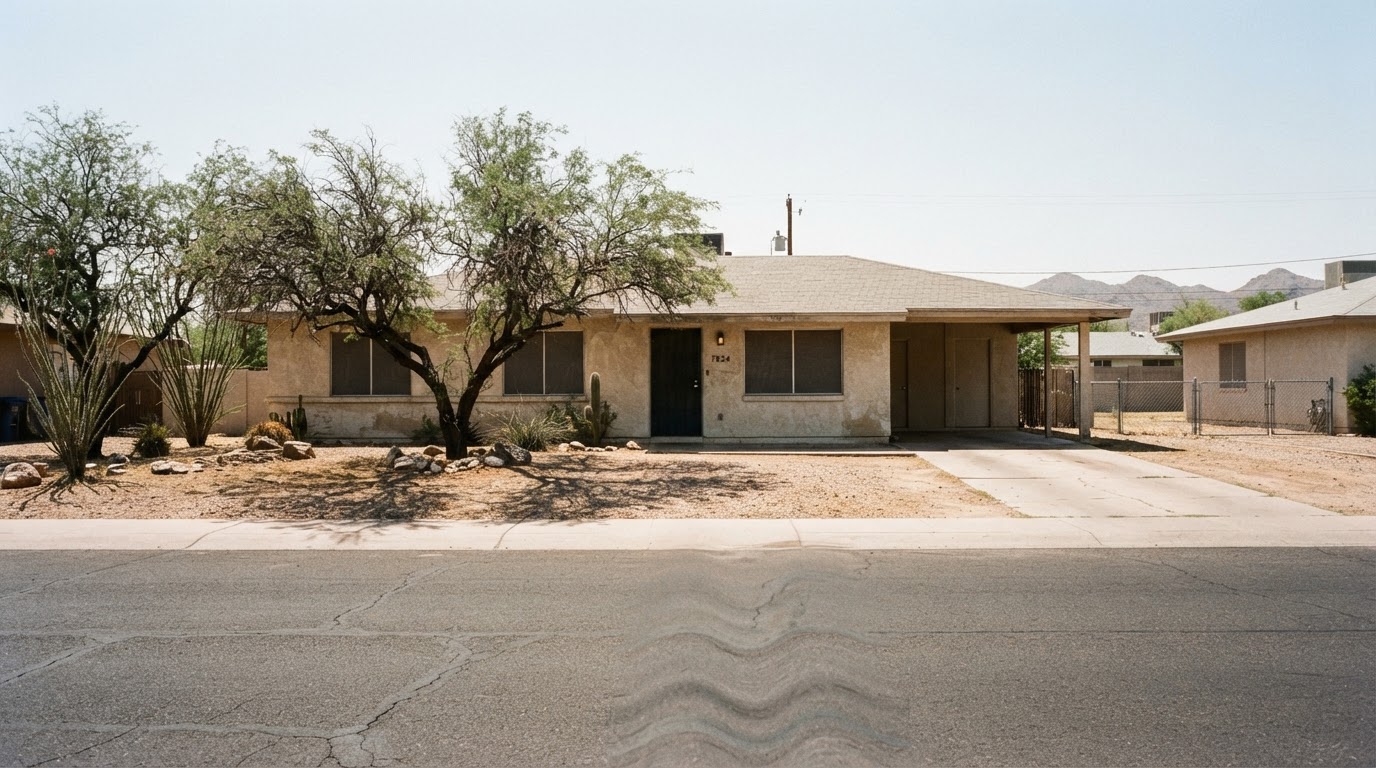 Cool Home, Low Bills: Beat the Heat Without Breaking the BankLearn how to keep your home comfortable during a heat wave while saving on energy costs, using tips from FEMA, DOE, and CDC.Jun 21, 2026Read guide →