
Local focus: Tornadoes
Plano, Texas home risk profile
Collin County · Statewide overall risk: Major
What this page is
Plano sits in Collin County, Texas. This is a local briefing: it names the hazard that usually matters most here (Tornadoes), then shows the statewide ratings Texas homeowners use to decide what official map to open. It is not a flood-zone letter or an insurance quote.
- Confirm the neighborhood with a ZIP lookup.
- Open Tornadoes in Texas.
- Verify the address on the official maps in the sidebar, then read a matching guide.
Plano anchors the northern Dallas suburbs in the heart of North Texas tornado country, where spring supercells rolling off the High Plains regularly threaten the Metroplex's millions of homes. Collin County sits in Tornado Alley proper: the same storm systems that produce long-track tornadoes across Oklahoma and North Texas aim directly at these suburbs each spring, and the region's rapid growth means every new subdivision adds thousands more homes to the tornado corridor. Peak season runs spring into early summer, with the classic setup of Gulf moisture meeting dryline storms.
Hail rivals tornadoes as a financial threat here. North Texas leads the nation in costly hailstorms, and Plano's rooftops — many now due for replacement after successive hail seasons — absorb the damage year after year. Severe thunderstorms with destructive straight-line winds are even more frequent, and the area's flat terrain and clay soils mean heavy downpours pond quickly in streets and low lots. The suburban tree canopy, mostly younger plantings, offers little windbreak and becomes debris in major storms.
For homeowners, the roof is the investment that matters most: impact-resistant shingles rated for hail, inspected regularly and replaced on schedule, dramatically cut the region's most common insurance claims. Keep severe-weather alerts active through spring, know your interior safe room, and review wind and hail deductibles annually — in Plano, the question each spring is not whether the storms will come, but which neighborhood they will find.
How to read the Plano snapshot
Plano is in Collin County, Texas. This page does not score individual streets. It tells you which statewide hazards matter most here, then points you to the official map for the address you care about.
The local focus is Tornadoes in Texas. Wind damage is usually covered; flood from the same storm often is not. Photograph the roof now, before hail or a tornado makes the “before” pictures impossible.
Highest statewide ratings that apply in Plano
- Flooding — Extreme. Flooding is one of Texas's most frequent and costly natural hazards, and FEMA's National Risk Index places the state at…
- Tornadoes — Extreme. Texas records more tornadoes than any other state, with the greatest exposure in the Panhandle, the Red River Valley,…
- Extreme Heat — Extreme. Extreme heat is a serious and widespread hazard in Texas, affecting all regions and posing risks to health, homes, and…
What to do before you buy or renew in Plano
- Look up the ZIP on our ZIP tool so you land on this city or the Texas profile.
- Open the Tornadoes page and follow the official map links in the sidebar.
- Confirm preparedness guidance with Texas Division of Emergency Management.
Other Texas city briefings: Arlington, Austin, Corpus Christi, Dallas, El Paso, Fort Worth.
Hazard ratings for Texas
These are state-level scores used across Plano. Use them as a starting point, then verify your exact address with the official maps linked on each hazard page.
What the ratings mean
"MinimalMinorModerateMajorExtreme
Each rating is a statewide starting point, framed for a typical 30-year stay — the length of a standard mortgage. A neighborhood can look different from the state average. Always verify your address with official FEMA, NOAA or USGS maps.
Using the Plano profile
- Does Plano have its own hazard scores?
- No. Plano inherits Texas’s statewide ratings. Use this page to see which peril matters most locally (Tornadoes), then verify the exact address — two streets in Collin County can differ.
- What should I check first in Plano?
- Start with Tornadoes in Texas, then a ZIP lookup and the FEMA or USGS map that matches that hazard.
- Will homeowners insurance cover Tornadoes here?
- Wind damage is usually covered; flood from the same storm often is not. Photograph the roof now, before hail or a tornado makes the “before” pictures impossible.
Last updated: October 14, 2026. Ratings are state-wide estimates — always verify your specific address with official sources.
Guides for Texas homeowners
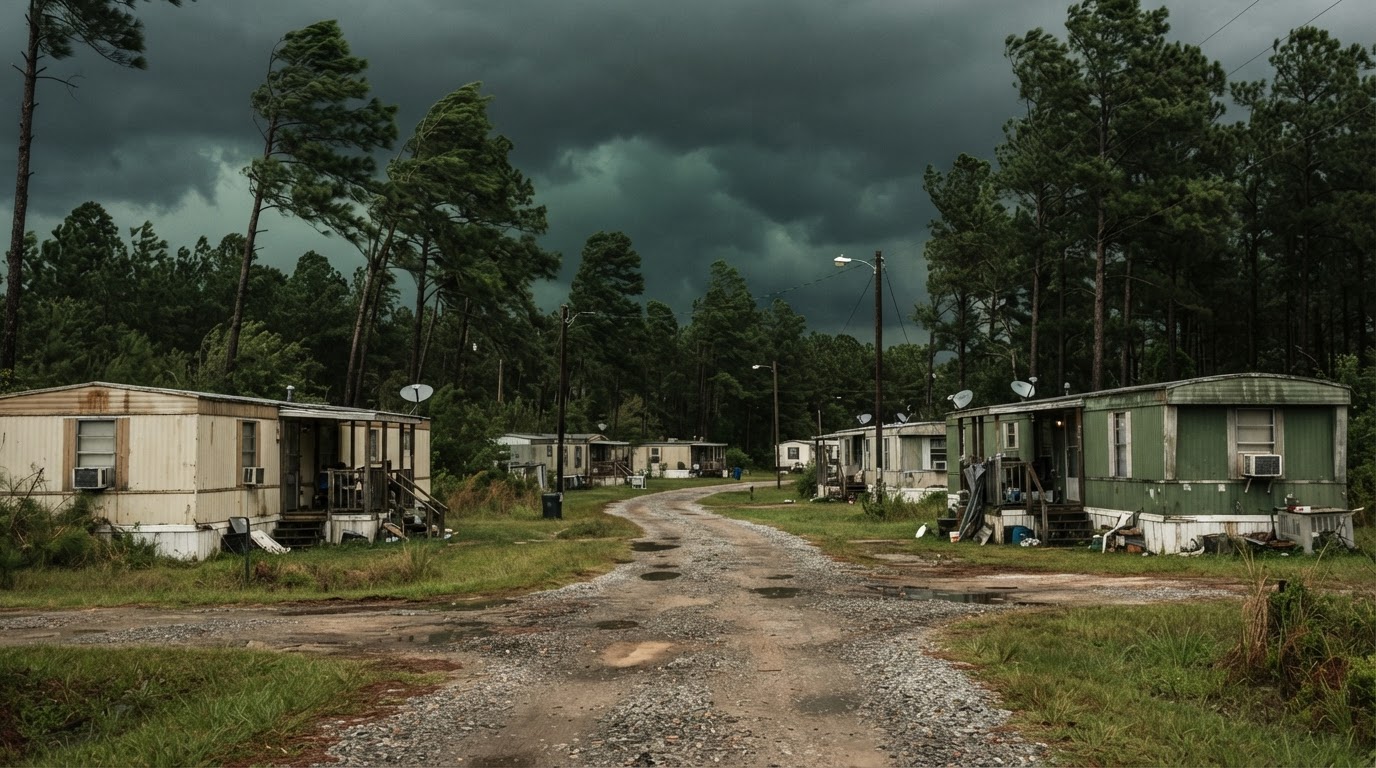 Mobile Home Tornado Safety: What Actually WorksMobile homes are particularly vulnerable to tornadoes. Learn the proven strategies that save lives, based on official guidance…Jun 21, 2026Read guide →
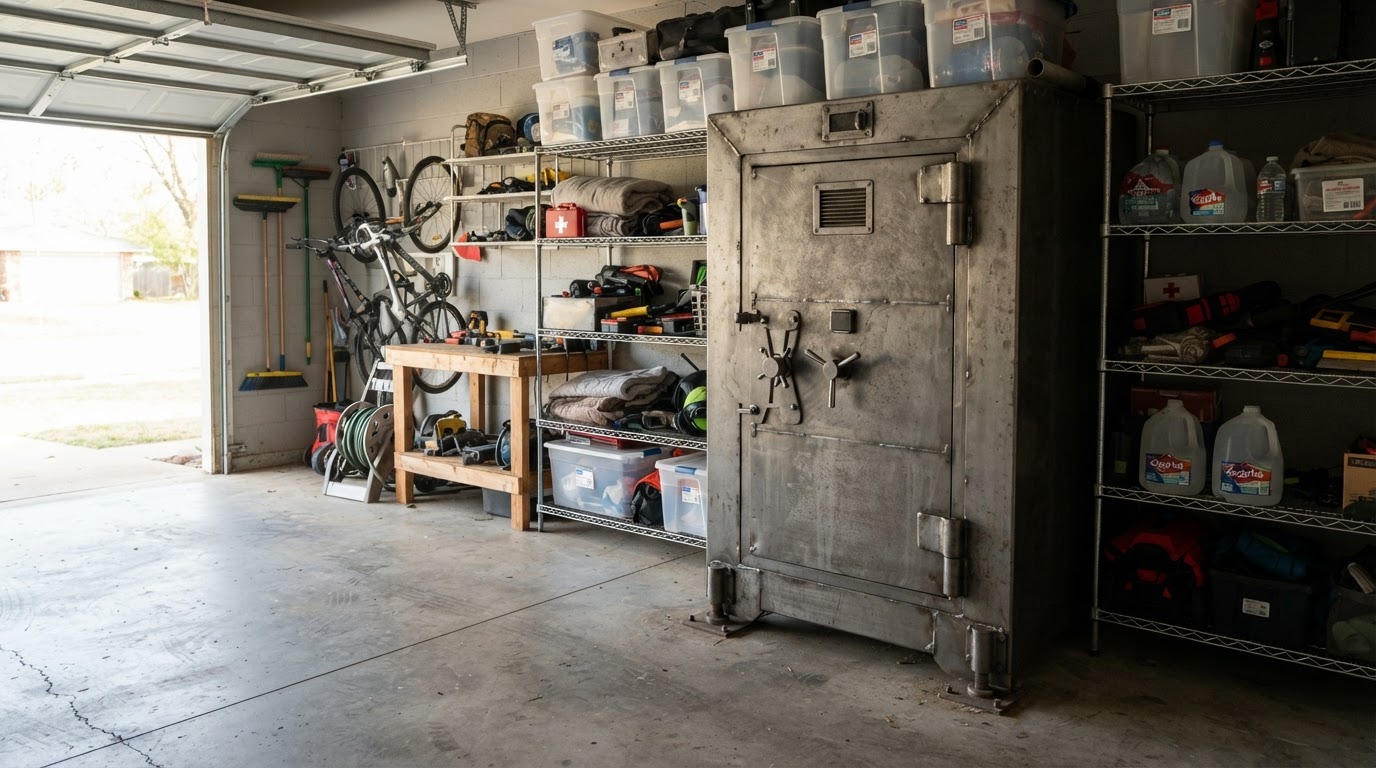 Tornado Safe Room vs Storm Shelter: Costs & Options for HomeownersLearn the key differences between tornado safe rooms and storm shelters, including costs, installation options, and FEMA…Jun 21, 2026Read guide →
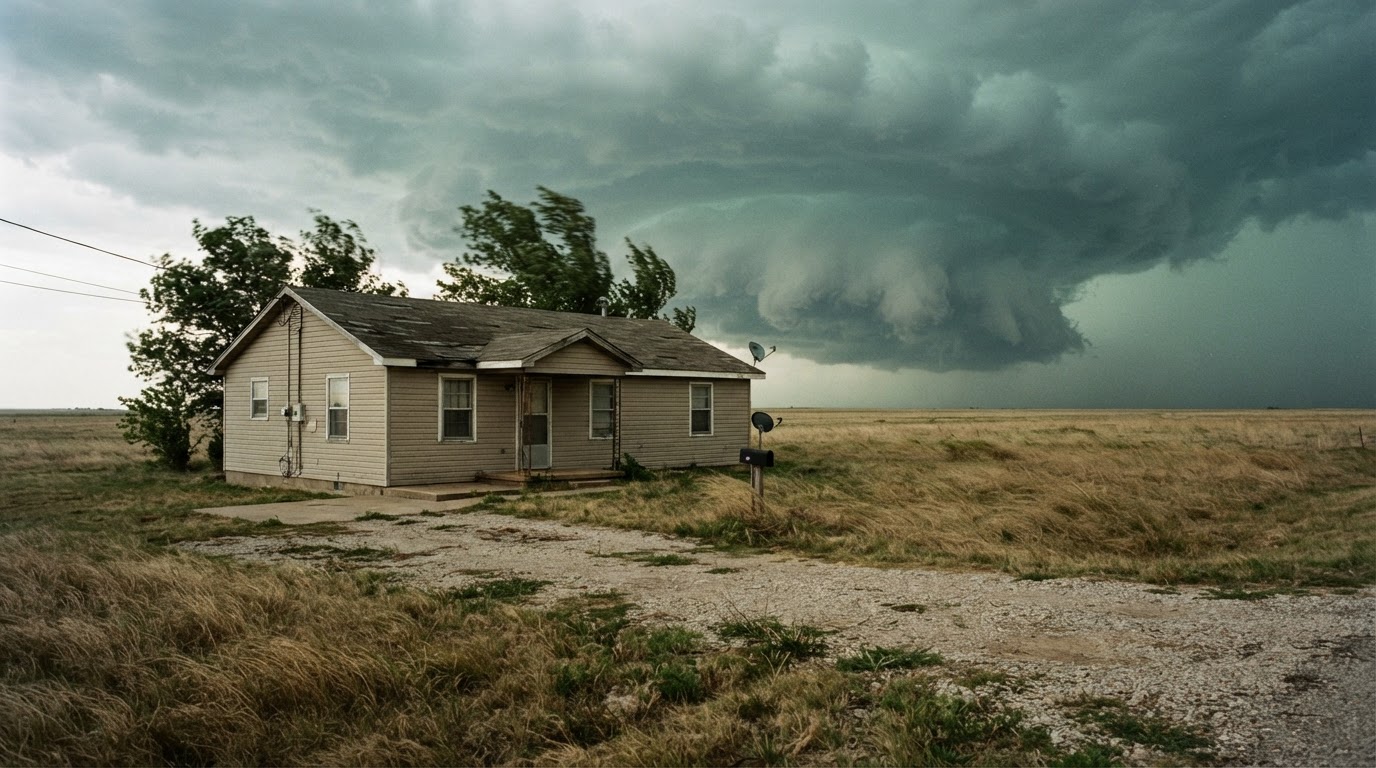 Safest Place in Your House During a Tornado by Home TypeWhere you take shelter during a tornado depends on your home type. Learn the safest locations for single-family homes,…Jun 21, 2026Read guide →