
Local focus: Flooding
San Antonio, Texas home risk profile
Bexar County · Statewide overall risk: Major
What this page is
San Antonio sits in Bexar County, Texas. This is a local briefing: it names the hazard that usually matters most here (Flooding), then shows the statewide ratings Texas homeowners use to decide what official map to open. It is not a flood-zone letter or an insurance quote.
- Confirm the neighborhood with a ZIP lookup.
- Open Flooding in Texas.
- Verify the address on the official maps in the sidebar, then read a matching guide.
San Antonio is in Bexar County, Texas. Flash flooding, extreme heat, drought and severe storms (including hail) are the hazards that show up most often in local insurance claims.
The ratings below are state-level summaries used across Texas. Actual risk varies by neighborhood — always verify your address on FEMA flood maps, your county emergency management site and the official sources linked from each hazard page.
How to read the San Antonio snapshot
San Antonio is in Bexar County, Texas. This page does not score individual streets. It tells you which statewide hazards matter most here, then points you to the official map for the address you care about.
The local focus is Flooding in Texas. Standard homeowners insurance almost never covers flood. You need a separate NFIP or private flood policy, and it usually has a waiting period.
Highest statewide ratings that apply in San Antonio
- Flooding — Extreme. Flooding is one of Texas's most frequent and costly natural hazards, and FEMA's National Risk Index places the state at…
- Tornadoes — Extreme. Texas records more tornadoes than any other state, with the greatest exposure in the Panhandle, the Red River Valley,…
- Extreme Heat — Extreme. Extreme heat is a serious and widespread hazard in Texas, affecting all regions and posing risks to health, homes, and…
What to do before you buy or renew in San Antonio
- Look up the ZIP on our ZIP tool so you land on this city or the Texas profile.
- Open the Flooding page and follow the official map links in the sidebar.
- Confirm preparedness guidance with Texas Division of Emergency Management.
Other Texas city briefings: Arlington, Austin, Corpus Christi, Dallas, El Paso, Fort Worth.
Hazard ratings for Texas
These are state-level scores used across San Antonio. Use them as a starting point, then verify your exact address with the official maps linked on each hazard page.
What the ratings mean
"MinimalMinorModerateMajorExtreme
Each rating is a statewide starting point, framed for a typical 30-year stay — the length of a standard mortgage. A neighborhood can look different from the state average. Always verify your address with official FEMA, NOAA or USGS maps.
Using the San Antonio profile
- Does San Antonio have its own hazard scores?
- No. San Antonio inherits Texas’s statewide ratings. Use this page to see which peril matters most locally (Flooding), then verify the exact address — two streets in Bexar County can differ.
- What should I check first in San Antonio?
- Start with Flooding in Texas, then a ZIP lookup and the FEMA or USGS map that matches that hazard.
- Will homeowners insurance cover Flooding here?
- Standard homeowners insurance almost never covers flood. You need a separate NFIP or private flood policy, and it usually has a waiting period.
Last updated: October 8, 2026. Ratings are state-wide estimates — always verify your specific address with official sources.
Guides for Texas homeowners
 InsuranceExcess Flood Insurance: Coverage Above NFIP's $250,000 LimitThe NFIP caps flood coverage at $250,000 for the building and $100,000 for contents. If your home would cost more to rebuild,…Oct 15, 2026Read guide →
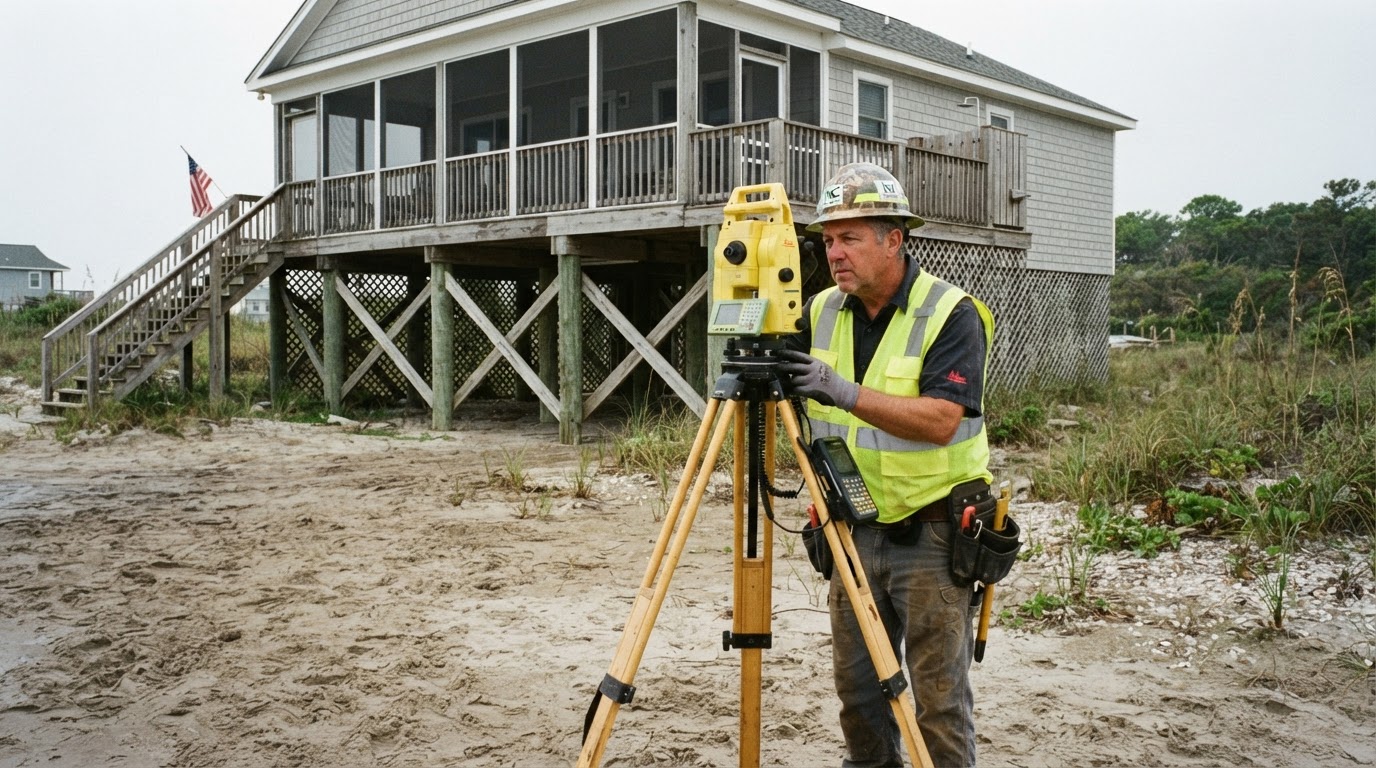 How Elevation Certificates Lower Your Flood Insurance PremiumLearn how an elevation certificate can save you hundreds on flood insurance by accurately showing your home's flood risk. This…Jun 21, 2026Read guide →
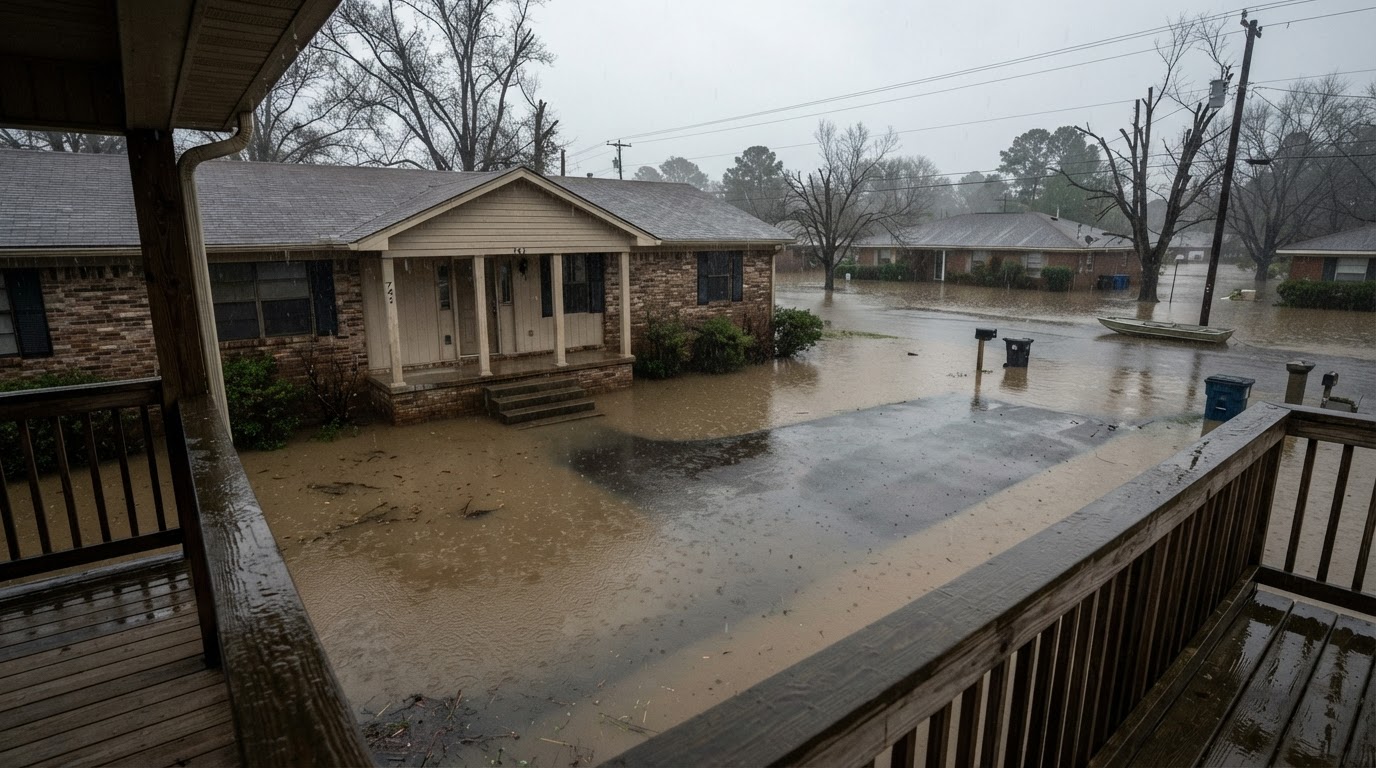 Flooded While Inside: Your Survival GuideIf your home floods while you're inside, every second counts. Learn the life-saving steps from FEMA, the CDC, and Ready.gov to…Jun 21, 2026Read guide →