
Southeast region · AR
Arkansas home risk profile
Overall home hazard risk: Moderate
How to use this profile
- Scan the hazard list. Anything rated Major or Extreme is the next page to open.
- Read the insurance note — flood and earthquake are usually separate policies.
- Look up your ZIP, then confirm the address on the official maps linked from each hazard page.
You're flying into Little Rock on Friday to walk a house you've only seen on Zillow, and the seller's disclosure mentions a sump pump. Good. Arkansas is a state where the ground gets wet fast and the sky can turn mean in twenty minutes. Tornadoes are the top hazard here — a 5 out of 5 on our scale — and flooding is right behind at 4 out of 5. That's the short version. The longer version involves the Arkansas Division of Emergency Management, your county flood maps, and an honest look at what you're buying.
Flooding in Arkansas doesn't just happen along the Mississippi or the Arkansas River. It happens in culverts, in new subdivisions with clay soil, and in the Ozarks where a creek can rise six feet in an hour. Check the FEMA flood map for the specific address — not the zip code. If the house is in a Special Flood Hazard Area, your lender will require flood insurance. Even outside it, ask the seller for any prior flood claims. I'd spend my first hour on that map, not on paint colors. Flood risk is the one you can measure before you sign.
Tornadoes are the other thing. Arkansas sits in a corridor that sees frequent twisters, and they don't wait for spring. Ask about the safe room, the shelter, or at least an interior bathroom on the lowest floor. The state emergency agency runs preparedness programs, and your county has a warning system — find out how you'll get alerts. A NOAA weather radio is twenty bucks. Buy one before you buy the house.
Extreme heat and severe storms also rate 4 out of 5. Earthquakes — the New Madrid seismic zone touches northeast Arkansas — are a 3. Wildfires, hurricanes, landslides, and winter storms are lower, but they still show up. No house is risk-free. Your insurance agent will care about the roof age, the flood zone, and the wind rating. Get a quote before closing, not after. That's the briefing. Now go look at the foundation.
Risk levels in Arkansas
Statewide scores, highest first. A neighborhood can look different from the state average — use these to decide which official map to open.
What the ratings mean
"MinimalMinorModerateMajorExtreme
Each rating is a statewide starting point, framed for a typical 30-year stay — the length of a standard mortgage. A neighborhood can look different from the state average. Always verify your address with official FEMA, NOAA or USGS maps.
Questions about Arkansas
- What is the overall home-hazard rating in Arkansas?
- Arkansas scores Moderate overall on our statewide scale. That average can hide one severe local peril — open the highest-rated hazard pages and then verify your address.
- Does a standard homeowners policy cover the main risks in Arkansas?
- Wind damage is usually covered; flood from the same storm often is not. Photograph the roof now, before hail or a tornado makes the “before” pictures impossible.
- How should I use this Arkansas page?
- Treat it as a briefing, not a determination. Check the hazard list, open the pages rated Major or Extreme, then confirm the parcel on FEMA, NOAA or USGS maps and with Arkansas Division of Emergency Management.
Last updated: October 10, 2026. Risk levels are state-wide estimates based on public hazard data (FEMA, NOAA, USGS) — always verify your specific address with official sources.
Guides to read with this profile
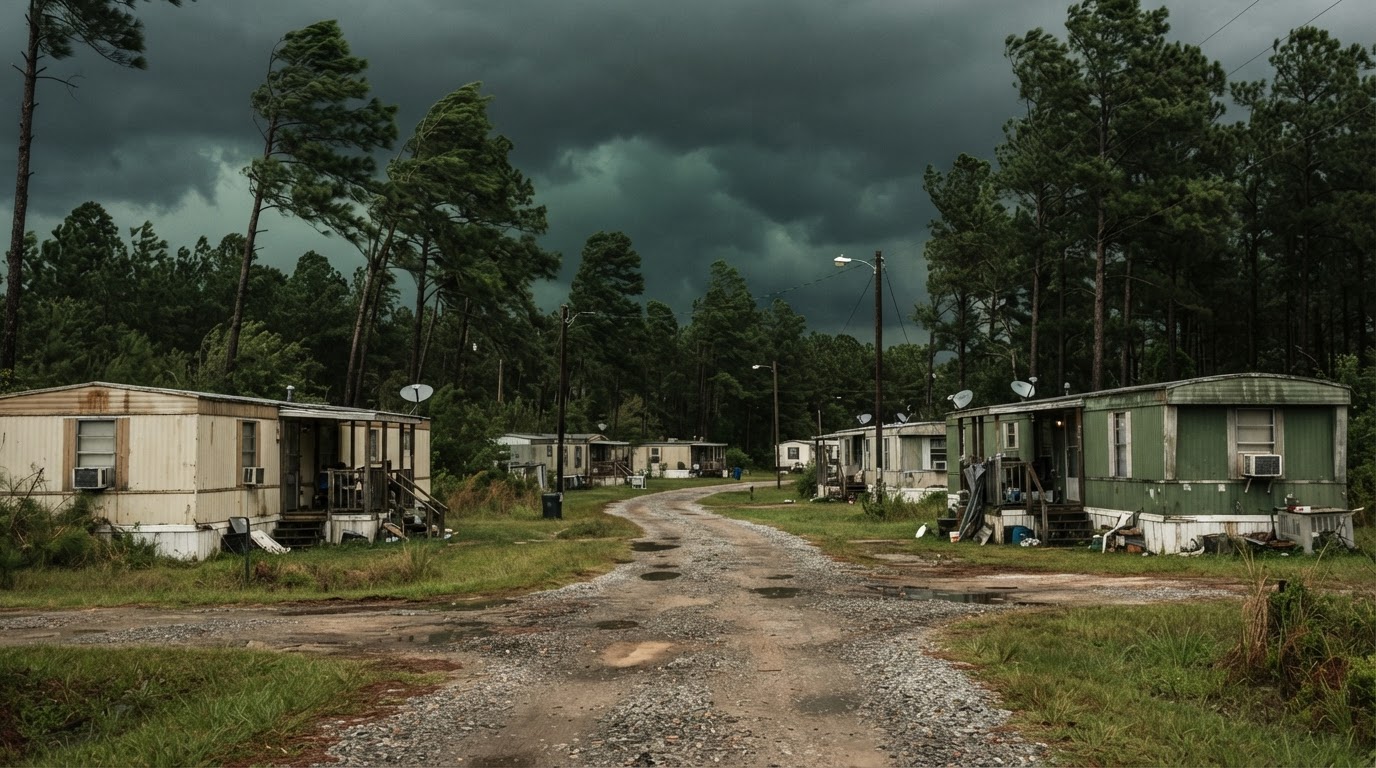 Mobile Home Tornado Safety: What Actually WorksMobile homes are particularly vulnerable to tornadoes. Learn the proven strategies that save lives, based on official guidance…Jun 21, 2026Read guide →
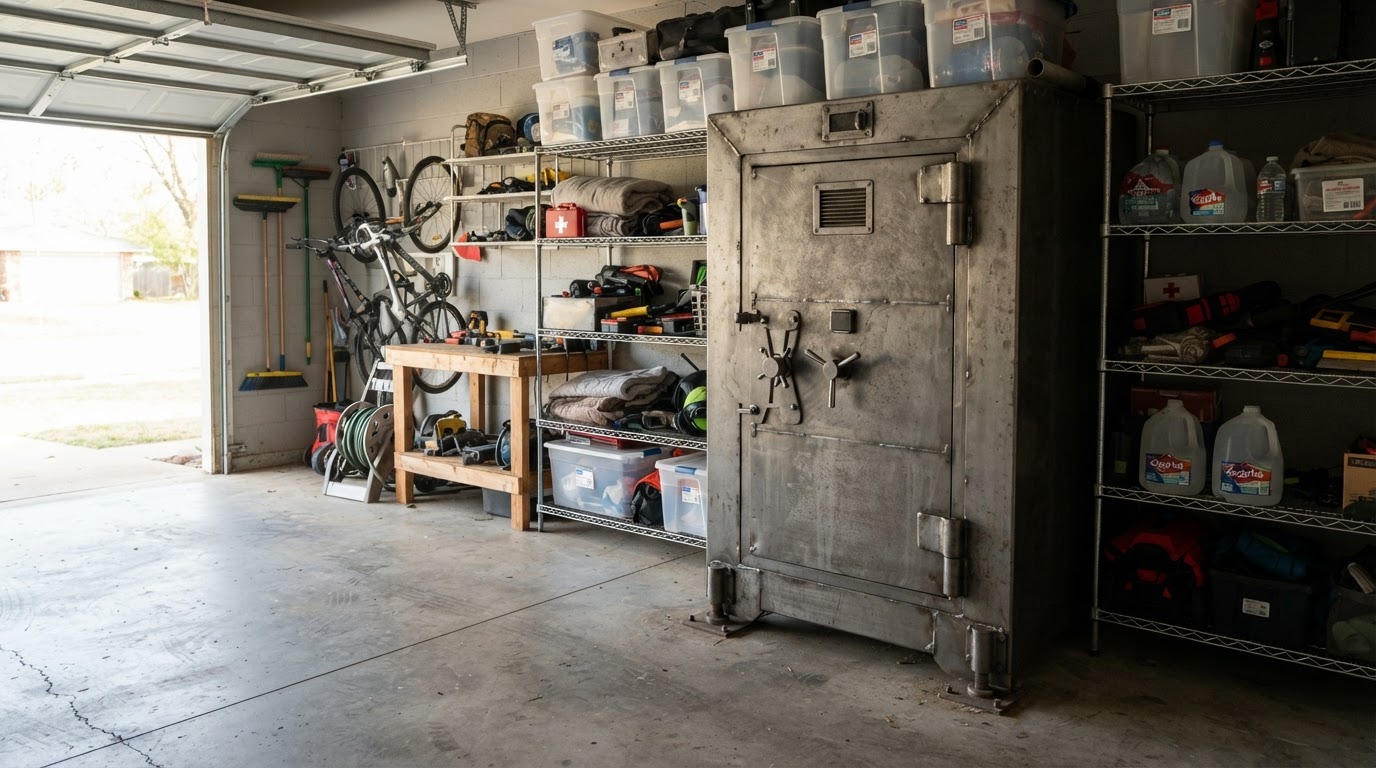 Tornado Safe Room vs Storm Shelter: Costs & Options for HomeownersLearn the key differences between tornado safe rooms and storm shelters, including costs, installation options, and FEMA…Jun 21, 2026Read guide →
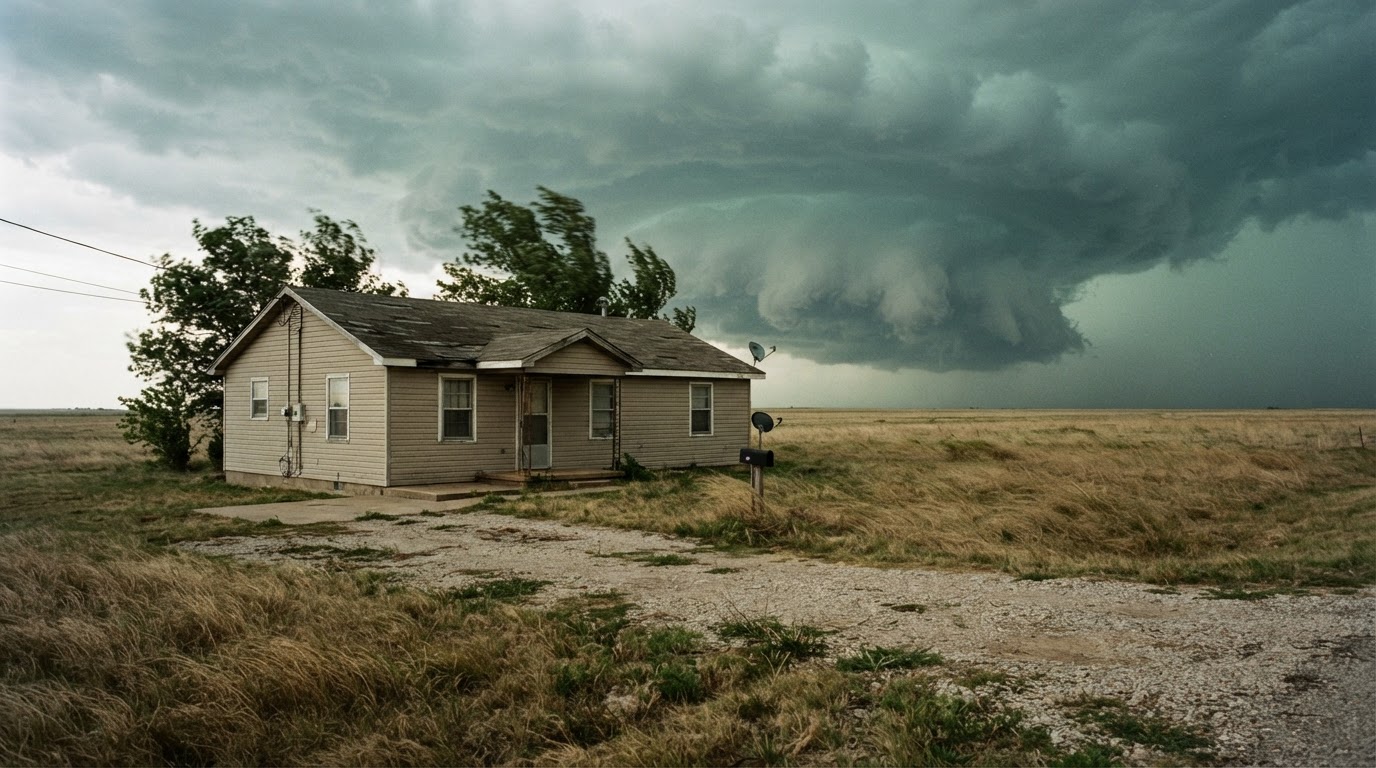 Safest Place in Your House During a Tornado by Home TypeWhere you take shelter during a tornado depends on your home type. Learn the safest locations for single-family homes,…Jun 21, 2026Read guide →