
Local focus: Tornadoes
Little Rock, Arkansas home risk profile
Pulaski County · Statewide overall risk: Moderate
What this page is
Little Rock sits in Pulaski County, Arkansas. This is a local briefing: it names the hazard that usually matters most here (Tornadoes), then shows the statewide ratings Arkansas homeowners use to decide what official map to open. It is not a flood-zone letter or an insurance quote.
- Confirm the neighborhood with a ZIP lookup.
- Open Tornadoes in Arkansas.
- Verify the address on the official maps in the sidebar, then read a matching guide.
Little Rock takes its name from the rock formation on the Arkansas River, but for homeowners the defining hazard is what comes down from the sky each spring: the city sits near the eastern edge of Tornado Alley, where warm Gulf air collides with storm systems rolling out of the Plains. In March 2023 a powerful tornado cut through the city's west side, damaging hundreds of homes and proving the capital is not insulated by the river or the hills. Tornado season peaks in spring, though the Mid-South also sees a meaningful number of winter and late-fall tornadoes.
The metro's housing is a mix of older neighborhoods with mature trees and newer subdivisions spreading into the hills west and north of downtown, and both carry risk in severe weather. Large oaks and pines bring down power lines and roofs in tornadoes and straight-line wind events, while newer construction on ridgelines takes the full force of wind with little shelter. The Arkansas River is generally managed by upstream reservoirs, but flash flooding along small creeks after intense downpours is a recurring local problem.
Practical protection starts with warnings you will actually hear at night — a weather radio and phone alerts — plus a lowest-floor interior room identified in advance. Keep trees pruned away from the house and review the roof after each storm season, and understand that a tornado watch in central Arkansas is a signal to stay near shelter, not to keep driving across town.
How to read the Little Rock snapshot
Little Rock is in Pulaski County, Arkansas. This page does not score individual streets. It tells you which statewide hazards matter most here, then points you to the official map for the address you care about.
The local focus is Tornadoes in Arkansas. Wind damage is usually covered; flood from the same storm often is not. Photograph the roof now, before hail or a tornado makes the “before” pictures impossible.
Highest statewide ratings that apply in Little Rock
- Tornadoes — Extreme. Arkansas gets hit by tornadoes in every season, and the statewide risk is about as high as it gets. If you own or…
- Flooding — Major. Arkansas gets a level 4 out of 5 for flood risk, and the Delta and river valleys are the sharpest edges. If you're…
- Extreme Heat — Major. Arkansas summers are hot and humid, and the state rates a 4 out of 5 for extreme heat risk, with the Delta and the…
What to do before you buy or renew in Little Rock
- Look up the ZIP on our ZIP tool so you land on this city or the Arkansas profile.
- Open the Tornadoes page and follow the official map links in the sidebar.
- Confirm preparedness guidance with Arkansas Division of Emergency Management.
Other Arkansas city briefings: Fayetteville, Fort Smith.
Hazard ratings for Arkansas
These are state-level scores used across Little Rock. Use them as a starting point, then verify your exact address with the official maps linked on each hazard page.
What the ratings mean
"MinimalMinorModerateMajorExtreme
Each rating is a statewide starting point, framed for a typical 30-year stay — the length of a standard mortgage. A neighborhood can look different from the state average. Always verify your address with official FEMA, NOAA or USGS maps.
Using the Little Rock profile
- Does Little Rock have its own hazard scores?
- No. Little Rock inherits Arkansas’s statewide ratings. Use this page to see which peril matters most locally (Tornadoes), then verify the exact address — two streets in Pulaski County can differ.
- What should I check first in Little Rock?
- Start with Tornadoes in Arkansas, then a ZIP lookup and the FEMA or USGS map that matches that hazard.
- Will homeowners insurance cover Tornadoes here?
- Wind damage is usually covered; flood from the same storm often is not. Photograph the roof now, before hail or a tornado makes the “before” pictures impossible.
Last updated: October 14, 2026. Ratings are state-wide estimates — always verify your specific address with official sources.
Guides for Arkansas homeowners
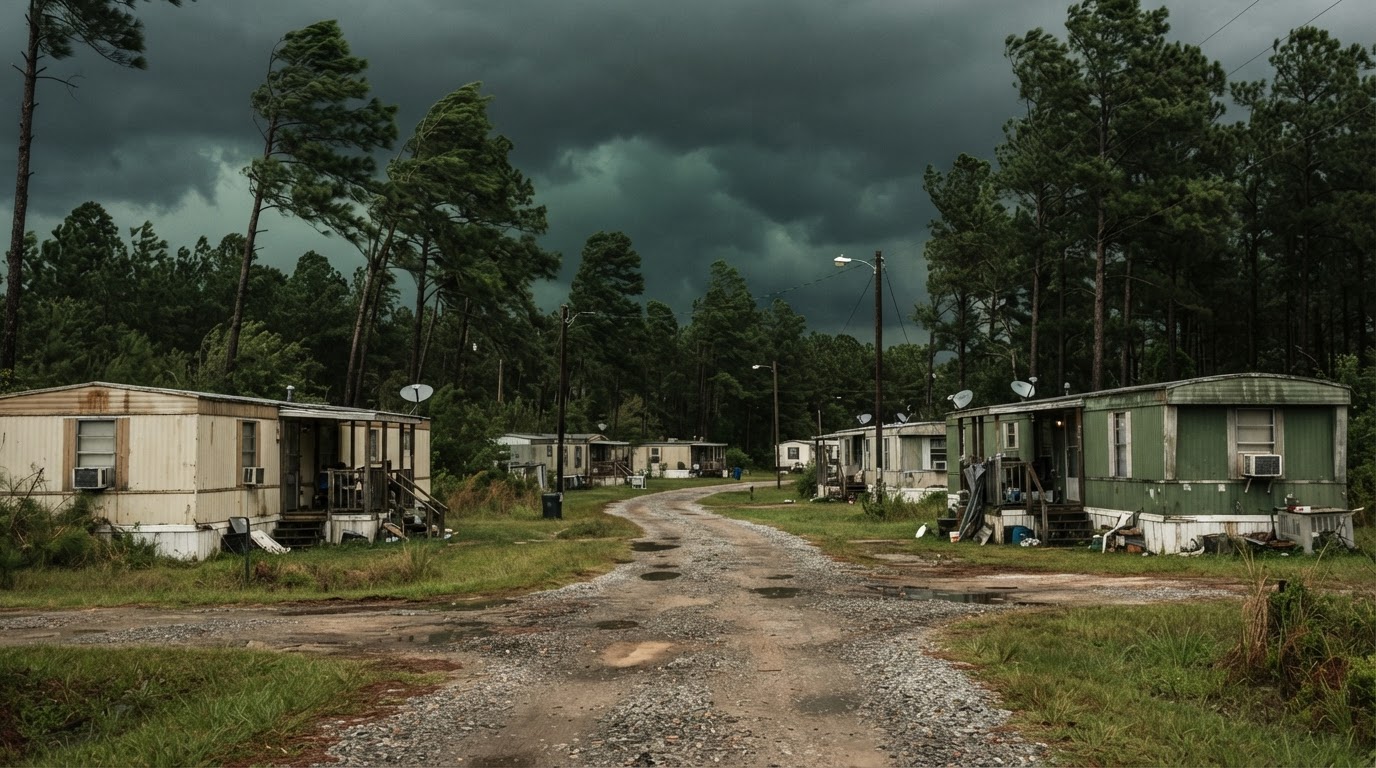 Mobile Home Tornado Safety: What Actually WorksMobile homes are particularly vulnerable to tornadoes. Learn the proven strategies that save lives, based on official guidance…Jun 21, 2026Read guide →
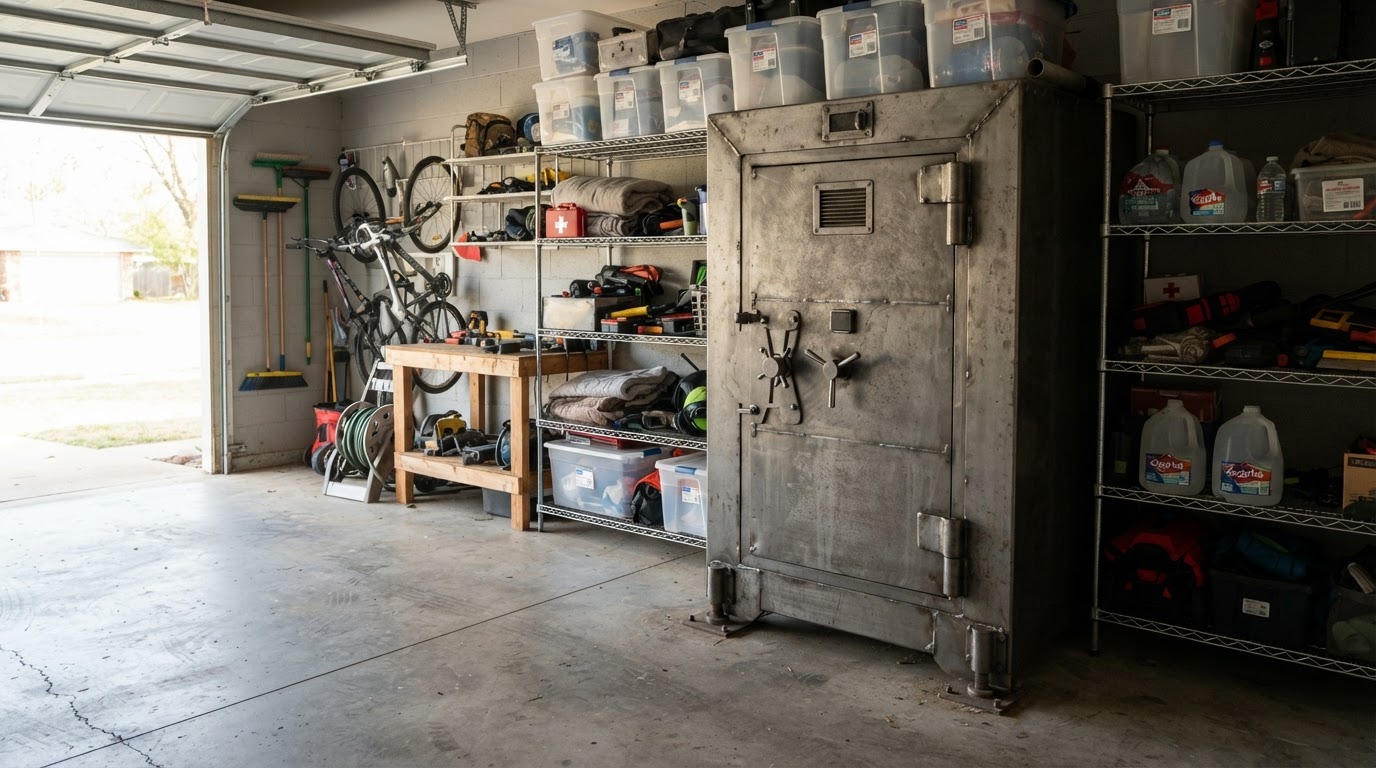 Tornado Safe Room vs Storm Shelter: Costs & Options for HomeownersLearn the key differences between tornado safe rooms and storm shelters, including costs, installation options, and FEMA…Jun 21, 2026Read guide →
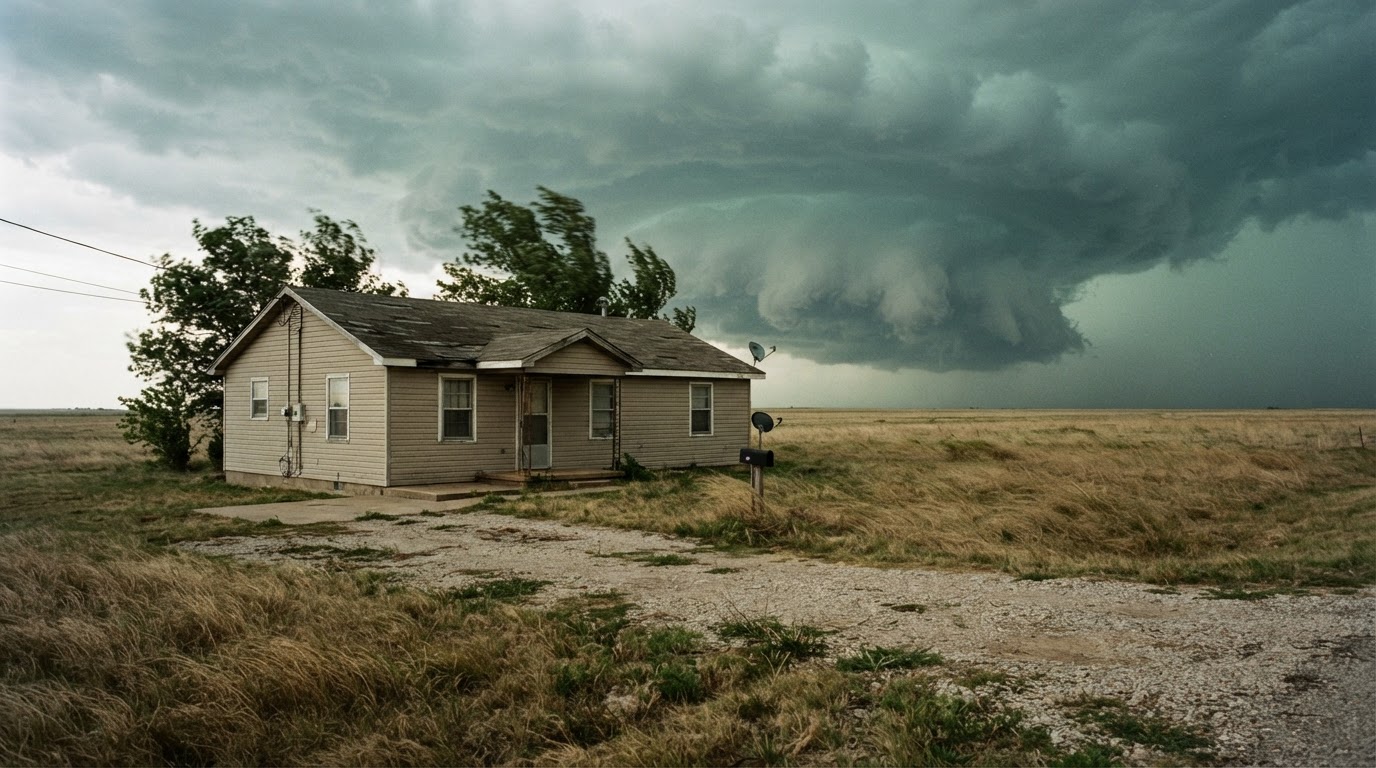 Safest Place in Your House During a Tornado by Home TypeWhere you take shelter during a tornado depends on your home type. Learn the safest locations for single-family homes,…Jun 21, 2026Read guide →