
🫨 Hazard category
Earthquakes risk by state
Earthquakes strike without warning, and significant seismic zones exist far beyond the West Coast.
Earthquakes strike without warning, and significant seismic zones exist far beyond the West Coast.
How to prepare your home
- Secure heavy furniture, water heaters and appliances to walls.
- Know how to shut off gas, water and electricity.
- Practice Drop, Cover and Hold On with your household.
- Consider a seismic retrofit for older homes, especially cripple-wall foundations.
- Standard homeowners insurance excludes earthquakes — evaluate separate coverage.
Official sources
All states ranked by earthquakes risk
Highest exposure first. Click a state for the full earthquakes briefing and source links.
Alaska
Alaska is the most earthquake-prone state in the country, and if you own a home here, you're in a level 5…
California
California has more earthquake risk than any other state, and it's not just the Bay Area or LA. If you're…
Washington
Washington is rated 5 of 5 for earthquake risk, with threats from the Cascadia subduction zone, shallow…
Nevada
Nevada is one of the most seismically active states in the U.S., with frequent earthquakes driven by Basin…
Oregon
Oregon sits above the Cascadia Subduction Zone and several active inland faults, so damaging earthquakes are…
Utah
Utah sits within the Intermountain Seismic Belt, one of the most seismically active regions in the contiguous…
Arkansas
Arkansas sits far enough from the West Coast that a lot of people tune out earthquakes, but the New Madrid…
Hawaii
Hawaii gets a level 3 out of 5 for earthquake risk, which is moderate but not nothing. Most of the action is…
Idaho
Idaho's statewide earthquake risk is a 3 out of 5, which means it's real but not the highest in the country.…
Kentucky
If you're buying a house in Kentucky, earthquake risk probably isn't the first thing on your mind, but it…
Missouri
Missouri faces a moderate-to-high earthquake risk, primarily from the New Madrid Seismic Zone in the…
Montana
Montana is seismically active, especially in the western part where the Intermountain Seismic Belt runs.…
South Carolina
South Carolina experiences earthquakes, primarily in the coastal Lowcountry around Charleston and…
Tennessee
Tennessee has a moderate-to-high earthquake risk, primarily from the New Madrid Seismic Zone in the west and…
Wyoming
Wyoming has a moderate earthquake risk — not California, but not zero either. If you live near Jackson,…
Alabama
Alabama sits at level 2 out of 5 for earthquake risk, which is low but not zero. If you own an older brick…
Arizona
Arizona is not a high earthquake state, but it's not zero either. The Arizona Department of Emergency and…
Colorado
Colorado has a level 2 out of 5 earthquake risk, which sounds low until you remember that standard homeowners…
Connecticut
Connecticut isn't a big earthquake state, but small quakes do happen and they can crack old chimneys and…
Georgia
Georgia isn't a high earthquake state, but small quakes do happen — mostly near the South Carolina line and…
Illinois
Illinois gets a 2 out of 5 on our earthquake risk scale, but the New Madrid and Wabash Valley seismic zones…
Indiana
Indiana's earthquake risk is low overall, but the southwest corner near the Wabash Valley and New Madrid…
Maine
Maine's earthquake risk is low—level 2 out of 5—but small quakes do happen. Your standard homeowners…
Massachusetts
Massachusetts has a relatively low but not negligible earthquake risk, rated level 2 out of 5. The state…
Mississippi
Mississippi has a relatively low earthquake risk, rated level 2 out of 5 by HomeRiskMap. The greatest risk is…
New Hampshire
New Hampshire sits within the Northeast seismic zone, where earthquakes are infrequent but real: the 1940…
New Mexico
HomeRiskMap rates New Mexico at level 2 of 5 for earthquake risk, reflecting a moderate but not extreme…
New York
New York experiences a moderate level of earthquake risk, with the most significant seismic activity…
North Carolina
North Carolina has a low-to-moderate earthquake risk, rated 2 out of 5. Most quakes are small, but the 2020…
Ohio
Ohio has a relatively low earthquake risk compared to many other states, but the western part of the state,…
Oklahoma
Oklahoma experiences earthquakes, primarily in the central and north-central parts of the state, with a risk…
Vermont
Vermont experiences occasional earthquakes, though they are generally less frequent and weaker than those on…
Virginia
Virginia has a moderate earthquake risk, rated Level 2 out of 5, with most activity concentrated in the…
Delaware
Delaware sits in one of the quieter seismic spots on the East Coast, and the statewide earthquake rating is…
District of Columbia
If you own a rowhouse in District of Columbia, your earthquake risk is low but not zero—the ground can…
Florida
Florida is one of the lowest earthquake-risk states in the country, so I wouldn’t lose sleep over fault…
Iowa
If you're buying a house in Iowa, earthquake risk is very low—level 1 out of 5 on the state scale. But that…
Kansas
Kansas sits in a low earthquake zone, but that doesn't mean zero — small quakes and occasional felt shaking…
Louisiana
Louisiana is a low earthquake state — our statewide rating is 1 out of 5 — but low isn’t zero, and…
Maryland
Maryland has a low earthquake hazard compared with the West Coast, but earthquakes are still felt here. Most…
Michigan
Earthquake risk in Michigan is very low, rated level 1 of 5 by the state. The state has no active faults and…
Minnesota
Minnesota has a low earthquake risk, rated Level 1 of 5. While the state is not near a major plate boundary,…
Nebraska
Earthquakes in Nebraska are uncommon and the state is rated 1 out of 5 for this hazard, but small to moderate…
New Jersey
New Jersey has a low earthquake risk, rated 1 out of 5, but the state is not immune to seismic activity. The…
North Dakota
North Dakota has a very low earthquake risk, rated Level 1 of 5 by the USGS. The state is far from major…
Pennsylvania
Pennsylvania has a low earthquake risk, rated level 1 out of 5. While the state is not on a major plate…
Rhode Island
Rhode Island has a relatively low earthquake risk compared with active seismic regions, but small and…
South Dakota
South Dakota has a very low earthquake risk, rated level 1 out of 5. The state is far from major seismic…
Texas
Earthquake risk in Texas is generally low, but several regions—including West Texas, the Panhandle, and…
West Virginia
West Virginia has a low earthquake risk, rated Level 1 out of 5. While major earthquakes are rare, minor…
Wisconsin
Wisconsin has a very low earthquake risk, rated Level 1 out of 5. The state is far from major tectonic plate…
Official maps for earthquakes
About these rankings
- Which states have the highest earthquakes risk?
- Alaska currently ranks at the top of this list (Very High). Rankings are statewide averages — a county can sit well above or below that score.
- Does homeowners insurance cover earthquakes?
- Earthquake damage is typically excluded from a standard homeowners policy. Coverage is a separate policy or endorsement.
- How should I use this ranking?
- Find your state, open the state × hazard page, then verify the address on the official maps linked there. This page is a comparison tool, not a determination.
Last updated: June 12, 2026. Rankings are state-wide estimates based on public hazard data (FEMA, NOAA, USGS) — always verify your specific address with official sources.
Related guides
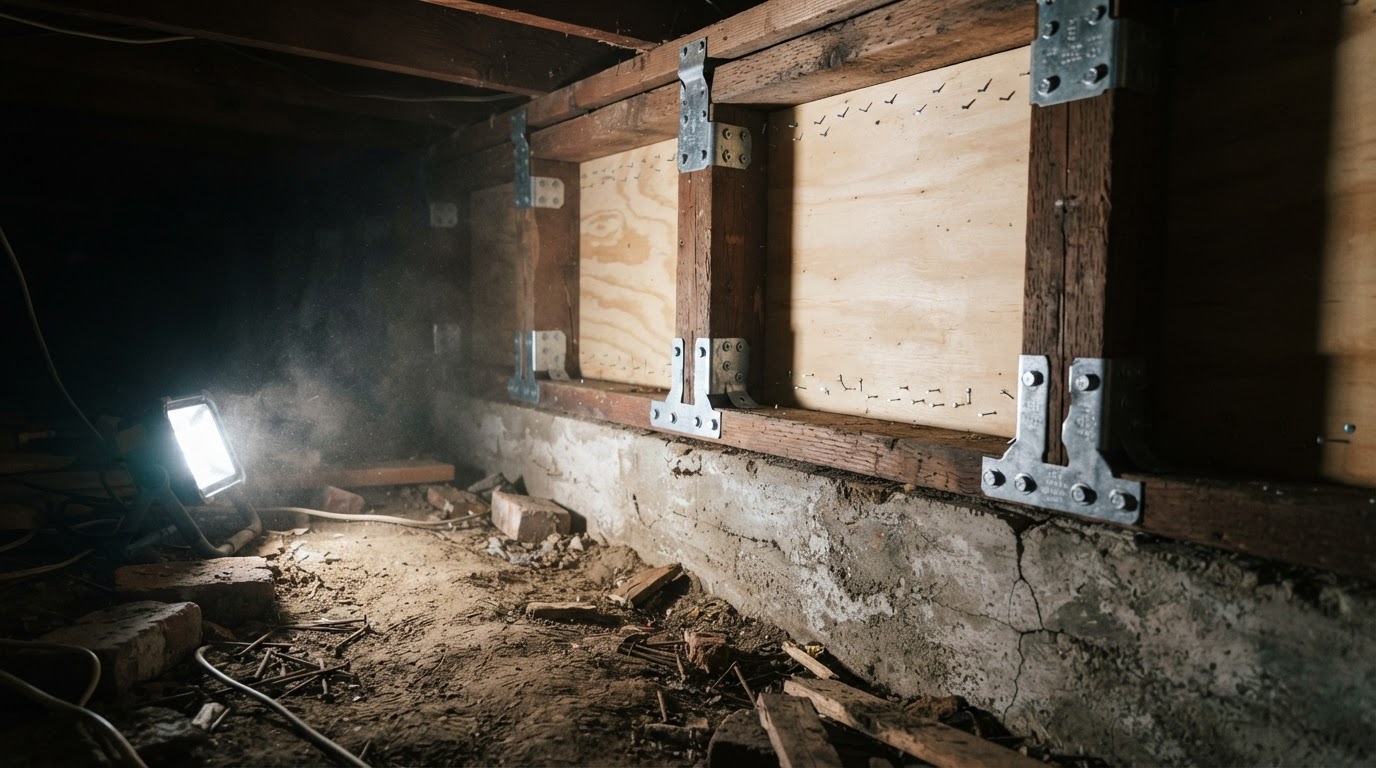 Cripple Wall Retrofit: Strengthen Your Home's Earthquake DefensesLearn how a cripple wall retrofit can prevent your older home from collapsing in an earthquake. Understand the basics, why it…Jun 21, 2026Read guide →
 How to Strap Your Water Heater for Earthquake SafetyLearn why securing your water heater is critical after an earthquake and get step-by-step instructions to strap it properly,…Jun 21, 2026Read guide →
 Earthquake Drills for Kids and Seniors: Drop, Cover, Hold OnLearn how to practice 'Drop, Cover, and Hold On' with children and older adults. This guide provides step-by-step drills,…Jun 21, 2026Read guide →